BizisTech | No.1 Ecommerce Marketing Agency USA

#AmazonBusiness

Blog

Amazon Business Reports Explained for Beginners

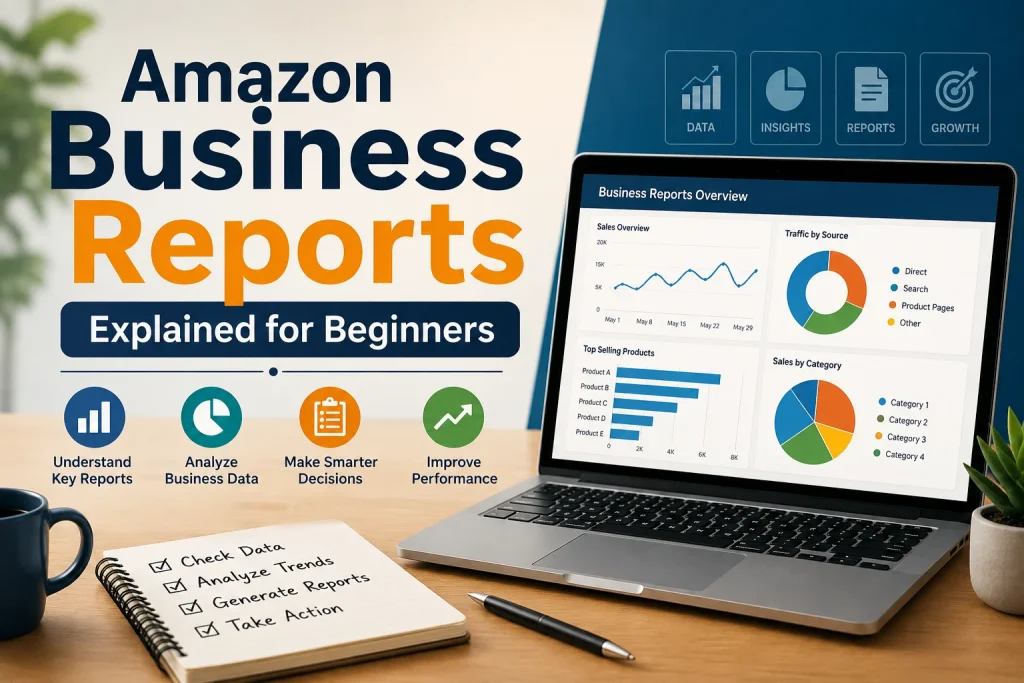
Running an Amazon business is not just about listing products and making sales. The real growth comes from understanding the numbers behind your Amazon business. Amazon Business Reports provide insights that help Amazon sellers identify what is working what needs improvement and where new opportunities exist for your Amazon business. For beginners these Amazon Business Reports may seem confusing at first. Once you understand them they become one of the most powerful tools for growing your Amazon business. Bizistech helps Amazon sellers understand and use these Amazon Business Reports to make business decisions for your Amazon business. Of relying on guesswork Amazon sellers can use real data to improve performance and increase profitability for their Amazon business. What Are Amazon Business Reports Amazon Business Reports are performance reports available inside Seller Central. They provide information about customer activity, product performance, sales trends and traffic for your Amazon business. These Amazon Business Reports allow Amazon sellers to understand how shoppers interact with their products and what changes can improve results for their Amazon business. For beginners learning to read these Amazon Business Reports is one of the steps toward building a successful Amazon business. Why Amazon Business Reports Matter Many new Amazon sellers focus on daily sales numbers for their Amazon business. While sales are important for your Amazon business they do not tell the story. Amazon Business Reports help you understand why sales increase or decrease for your Amazon business. These Amazon Business Reports help you * Understand customer behavior for your Amazon business * Monitor product performance for your Amazon business * Measure traffic to listings for your Amazon business * Track conversion rates for your Amazon business * Identify selling products for your Amazon business * Improve inventory planning for your Amazon business * Make marketing decisions for your Amazon business With the right analysis Amazon sellers can make informed decisions instead of relying on assumptions about their Amazon business. Key Metrics Every Beginner Should Know Sessions for your Amazon business: this is the number of visits to your product listing on Amazon Page Views for your Amazon business: this shows how times customers viewed your product pages on Amazon Unit Session Percentage for your Amazon business: this is your conversion rate for your Amazon business it measures how many visitors actually purchased your product on Amazon Ordered Product Sales for your Amazon business: this metric shows the total revenue generated by your products on Amazon during a selected period Buy Box Percentage for your Amazon business: winning the Buy Box increases the chances of making sales on Amazon For example if one hundred people visit your listing on Amazon and ten make a purchase your conversion rate is ten percent for your Amazon business. A strong conversion rate usually indicates quality listings, competitive pricing and positive customer trust for your Amazon business. How Beginners Can Use Amazon Business Reports The biggest mistake beginners make is collecting data without taking action for their Amazon business. Amazon Business Reports only become valuable when they help improve business decisions for your Amazon business. Review your Amazon Business Reports every week. Compare performance over time for your Amazon business. Look for products with increasing traffic but low conversions for your Amazon business. These listings often need images, stronger product descriptions or more competitive pricing for your Amazon business. Products with conversions but low traffic may benefit from additional advertising or improved keyword optimization for your Amazon business. Common Amazon Business Reports You Should Review Sales Reports for your Amazon business: these help monitor revenue order trends and overall business growth for your Amazon business Traffic Reports for your Amazon business: these show how customers find your products and how visitors your listings receive on Amazon Conversion Reports for your Amazon business: these explain how effectively your listings turn visitors into buyers on Amazon Inventory Reports for your Amazon business: these help prevent stock shortages. Reduce excess inventory by monitoring stock levels and sales velocity for your Amazon business Bizistech assists Amazon sellers by interpreting these Amazon Business Reports and turning complex data into practical business strategies that support long term growth for your Amazon business. Mistakes Beginners Should Avoid Many beginners only check sales numbers and ignore valuable metrics for their Amazon business. This limits business growth for your Amazon business. Common mistakes include * Ignoring declining traffic for your Amazon business * Not monitoring conversion rates for your Amazon business * Failing to compare performance for your Amazon business * Making pricing changes without reviewing data for your Amazon business * Overlooking inventory trends for your Amazon business * Not testing improvements after reviewing Amazon Business Reports for your Amazon business Avoiding these mistakes allows Amazon sellers to make decisions based on accurate information about their Amazon business. How Amazon Business Reports Improve Advertising Amazon Business Reports also help improve advertising campaigns for your Amazon business. If a product receives visitors but very few purchases your advertising may be attracting the wrong audience for your Amazon business. On the hand products with strong conversion rates may deserve larger advertising budgets because they already perform well for your Amazon business. Combining Amazon Business Reports with advertising data creates an effective marketing strategy for your Amazon business. The Value of Professional Support As your Amazon business grows Amazon Business Reports become more detailed and complex. Many successful Amazon sellers work with professionals to interpret large amounts of data and develop strategies based on meaningful insights for their Amazon business. A reliable shopify store management agency can also help businesses that operate on ecommerce platforms. By managing inventory, customer experience and store operations across channels a shopify store management agency ensures consistency while Amazon Business Reports guide marketplace decisions for your Amazon business. Amazon businesses that sell on both Amazon and Shopify often benefit from combining data from each platform. An experienced shopify store management agency can simplify operations improve efficiency and support long term growth alongside Amazon reporting strategies for your
Blog

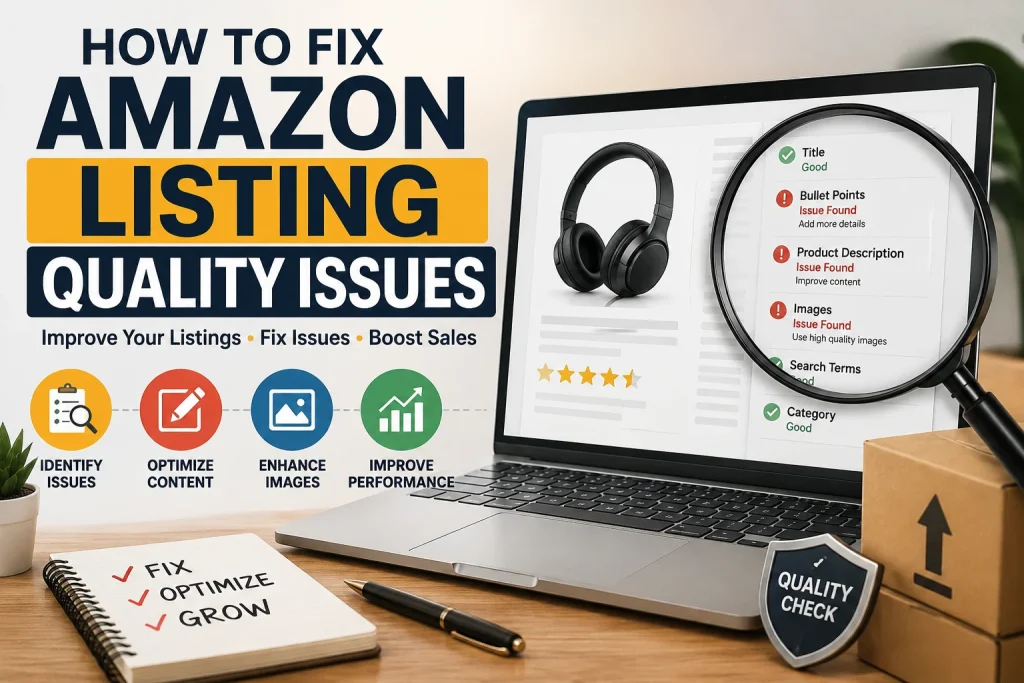
How to Fix Amazon Listing Quality Issues

Selling on Amazon is more competitive than ever and a high quality product listing is essential for attracting customers and increasing sales. Even great products can struggle if the listing contains information, poor images, inaccurate details or missing attributes. Amazon regularly checks listing quality and low quality listings may lose visibility, experience reduced conversions or even become suppressed. For sellers who want long term success understanding how to identify and fix listing quality issues is one of the valuable skills. Companies like Bizistech help sellers optimize their listings while also supporting advertising strategies through amazon ads management services allowing businesses to improve both visibility and sales performance. The company focuses on Amazon account management listing optimization and PPC support for ecommerce businesses. Understand Why Listing Quality Matters Your product listing is the impression customers receive. A complete and informative listing helps buyers understand your product and builds confidence before making a purchase. High quality listings typically offer Clear product titles product descriptions Detailed bullet points Professional images Correct category placement Relevant product attributes Complete backend information When these elements work together customers can easily find your product and make informed buying decisions. Check for Missing Product Information One of the common reasons for listing quality problems is incomplete product data. Missing size details, material information, color options, dimensions or compatibility can reduce customer trust. Create confusion. Review every section of your listing to ensure all information has been completed accurately. Important fields include Brand name Product dimensions Weight Materials Color Package quantity Country of origin Model number Compatibility information where applicable Improve Product Titles Your title should clearly describe the product while remaining easy to read. A strong title usually contains Brand name Main keyword Product type Important feature Size or quantity if necessary Avoid keyword stuffing or repeating the phrases multiple times. Write Better Bullet Points Bullet points help shoppers quickly understand the value of your product. Focus on features Customer benefits Product materials Usage instructions Warranty information Unique selling points Instead of listing technical specifications only explain how each feature benefits the customer. Upgrade Product Images Images strongly influence buying decisions. Quality or unclear images can significantly reduce conversion rates. Use images that show view Side view Close up details Product dimensions Lifestyle usage Packaging Product features Professional images create trust and reduce customer uncertainty before purchase. Improve Product Descriptions A detailed description provides customers with confidence. Your description should explain Who the product is for How it solves customer problems Product advantages Care instructions Usage tips Quality materials Keep paragraphs easy to read while maintaining a natural flow. Resolve Backend Keyword Problems Backend keywords help Amazon understand your product. Avoid Repeating keywords already used Using competitor brand names Adding search terms Stuffing unnecessary words Instead focus on relevant search phrases that accurately describe your product. Fix Category and Attribute Errors Incorrect product categories often reduce product visibility. Verify that your listing is placed in the category and includes every required attribute. Review Product type Item dimensions Material Color Target audience Department Age range Style Missing attributes can lower listing quality scores and reduce discoverability. Monitor Customer Feedback Customer reviews provide insight into listing quality. Look for repeated complaints about Incorrect descriptions Missing information Image differences Sizing confusion Packaging expectations If customers repeatedly mention the issue update your listing to address it. Keep Inventory Updated Running out of stock frequently can negatively affect listing performance. Monitor inventory carefully. Update stock levels before products become unavailable. Healthy inventory management supports rankings and improves customer satisfaction. Use Data to Improve Performance sellers regularly review listing performance. Track Click through rate Conversion rate Organic ranking Advertising performance Customer feedback Traffic sources These metrics help identify areas that require improvement. Many businesses combine listing optimization with amazon ads management services to improve product visibility while collecting performance data that supports better optimization decisions. Perform Regular Listing Audits Amazon constantly updates marketplace standards and customer expectations change over time. Review your listings every weeks to ensure Information remains accurate Images are current Keywords remain relevant Descriptions match customer expectations No important attributes are missing Regular audits help prevent quality issues before they impact sales. Work With Experienced Ecommerce Professionals Managing listings across products can become challenging as your business grows. Professional ecommerce experts can help improve listing quality, optimize product content, monitor performance and coordinate amazon ads management services with listing optimization strategies. This creates an overall selling approach and allows businesses to focus on growth instead of troubleshooting listing problems. Final Thoughts Amazon listing quality directly impacts product visibility, customer trust and sales performance. Small issues such, as information, weak images, poor descriptions or incorrect categories can reduce your success even when your product is excellent.

Blog

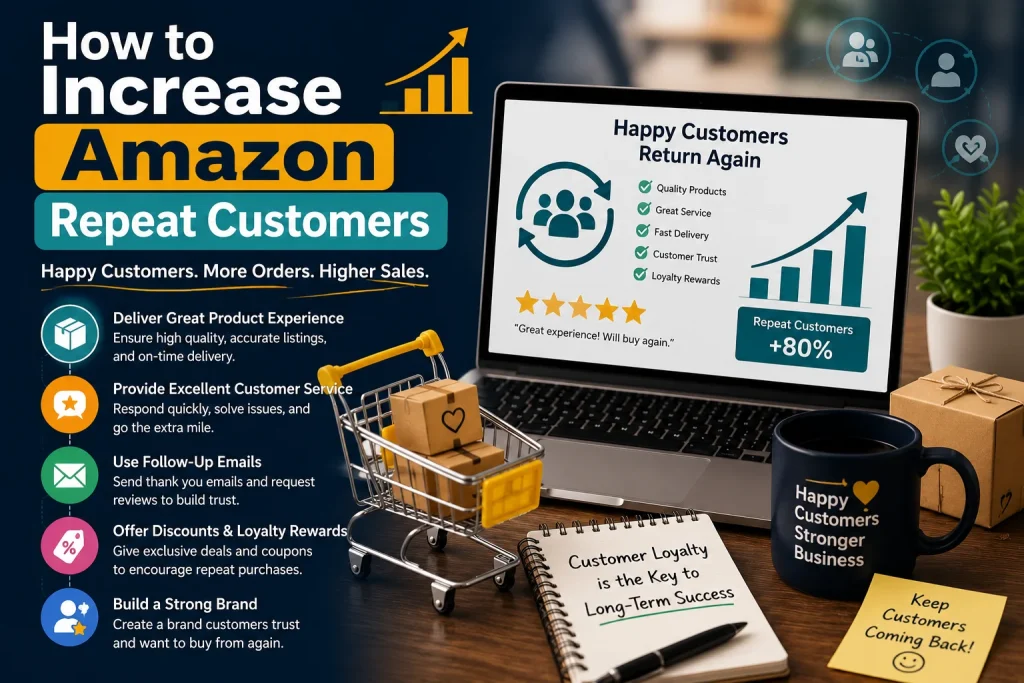
How to Increase Amazon Repeat Customers

Building an Amazon business is not just about getting new buyers. The real growth happens when you turn first time shoppers into Amazon customers who come back to buy from you again and again. Amazon repeat customers are really important because they help you make money in the long run make your brand stronger and save you money on getting new buyers. A lot of sellers focus much on advertising and forget about keeping their customers happy. If you have a plan that includes great products, amazing customer experience and professional optimization you can get more people to buy from you again. Businesses that work with ecommerce partners like Bizistech often get more loyal customers by making every step of the buying process better. Bizistech helps Amazon sellers with everything they need to sell on Amazon including managing their account making their listings better running ads and coming up with growth strategies. Why Amazon Repeat Customers Matter If someone buys from your Amazon store times they are way more valuable than someone who only buys once. Amazon repeat customers already trust the products you sell know your brand. Do not need as much convincing to buy from you again. Here are some benefits of having Amazon repeat customers: * Higher lifetime customer value * Better brand recognition * More positive reviews * marketing costs * More consistent monthly sales Instead of always looking for new buyers sellers should focus on making their customers happy so they come back. Start With High Quality Amazon Product Listings Your Amazon product listing is the thing customers see. If they get what they expect they are more likely to buy from you A good Amazon Listing Creation service makes sure every listing has: * Clear product titles * Good quality product images * Detailed descriptions * specifications * Relevant keywords * Easy to understand benefits Professional listing creation helps customers make confident buying decisions and reduces returns and negative feedback. Deliver Outstanding Product Quality No advertising can replace having products. Customers come back when your products are always good. Always focus on: * materials * Reliable manufacturing * Consistent quality control * Secure packaging A great product naturally creates Amazon customers who tell others about your brand. Create a Memorable Brand Experience Customers often remember brands, not products. Make your brand recognizable by: * packaging * Consistent product presentation * instruction guides * Attractive branding When customers remember your brand they are more likely to look for your products when they want to buy something. Improve Amazon Product Listings Many sellers make their listings once and never update them. Successful brands always make their listings better based on what customers do. What is happening in the market. A professional Amazon Listing Creation service helps sellers update their content make their images better improve their descriptions and keep their listings competitive so they can keep getting repeat buyers. Updated listings also make customers more confident. Reduce confusion before they buy. Focus on Excellent Customer Service Customer support is really important for making customers loyal. Respond quickly to customer questions. Resolve issues professionally. When problems happen good customer service can turn an unhappy buyer into a loyal Amazon customer. Here are some good things to do: * Respond quickly * Be friendly * Resolve problems quickly * Be honest * Provide good after sales support Customers like brands that really care about their satisfaction. Encourage Positive Reviews Reviews matter for both new and returning Amazon buyers. Make sure customers have an experience so they want to leave feedback. Positive reviews make customers trust you more and make your brand stronger. Do not be too pushy. Always follow Amazons rules about talking to customers. Keep Inventory Available Nothing makes loyal customers more unhappy than not being able to find their product. Make sure you have products by: * Watching sales trends * Planning for demand * Predicting sales * Stopping stock shortages Having products available all the time encourages repeat purchases. Keeps your ranking good. Use Advertising to Support Returning Buyers Advertising should not just be about getting customers. Run ads that keep your products visible to customers all the time. Sponsored ads help previous buyers find your products and seasonal offers making them more likely to buy from you again. When you combine listings, great customer experience and advertising it works much better. Expand Your Product Range Customers who like one product often want products from the same brand. Think about adding products that fit with what you sell. This makes customers want to buy more and gives them reasons to come back. Analyze Customer Behavior Successful brands make decisions based on what they know about their customers. Watch: * Repeat purchase trends * Best selling products * Customer feedback * Why products are returned * How many people buy from you These things tell you how to make customers happier and more loyal in the run. Partner With Ecommerce Experts Running an Amazon business takes time, experience and always making things better. Bizistech helps sellers with everything they need including managing their account making their listings better running ads and planning for growth. Their team helps businesses make customers happier which makes them come back and buy more. Working with an Amazon Listing Creation service also makes sure your listings are always competitive, informative and good for customers. Conclusion Getting Amazon repeat customers is not just, about having low prices. Sellers need to deliver products make professional listings provide amazing customer service keep their quality consistent and always make their customer experience better. Use an Amazon Listing Creation service to help you with all these things.

Blog

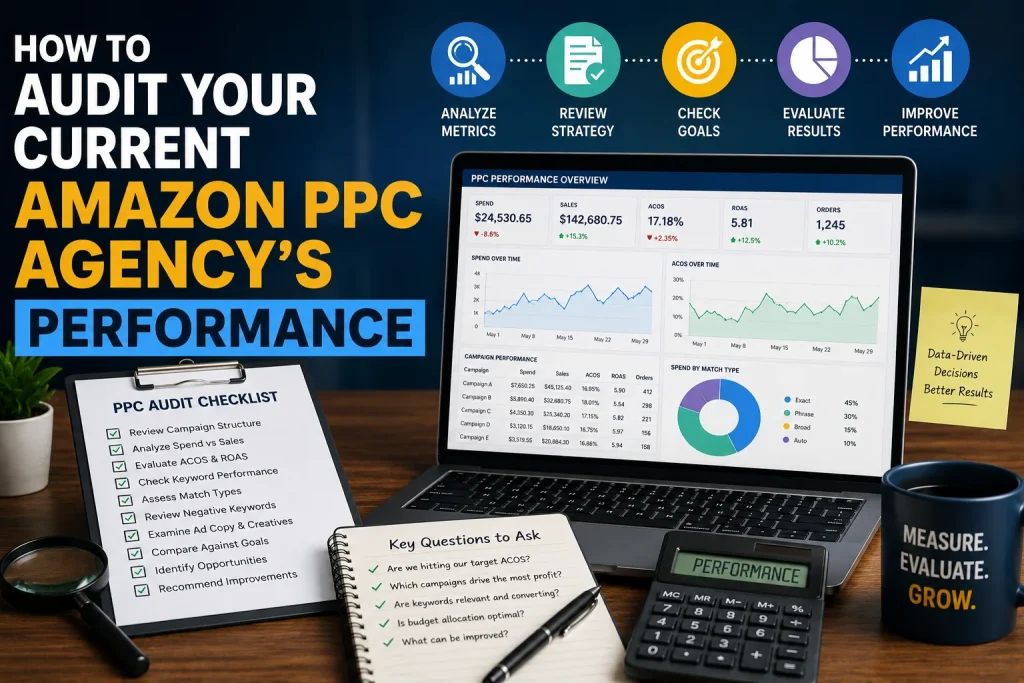
How to Audit Your Current Amazon PPC Agency’s Performance

Running Amazon advertising campaigns takes more than spending more money. A good PPC strategy should make your products easier to find bring in sales that make money and help your business get better over time. If you’ve been working with an agency for a months it’s important to check if they are really helping your business or just keeping things the same. A good performance audit helps you see what your agency is doing where things can get better and if you are getting value for the money you pay. Agencies like Bizistech focus on tracking performance making campaigns better giving reports and helping your business grow so checking things regularly is a part of being successful in the long run. Start By Looking At Your Business Goals Before checking how your ads are doing compare what you wanted to happen with what happened. Ask yourself questions like Has your monthly sales gone up Are your products being seen more Has your advertising made money Is your whole account in better shape than before An agency should make every choice about advertising match what you want your business to achieve not just try to get more clicks or views. Check Your Advertising Numbers A good Amazon PPC agency gives reports that show how well your ads are working. Look at numbers like Advertising Cost of Sales Return on Ad Spend Click Through Rate Conversion Rate Cost Per Click Total Advertising Sales Organic Sales Growth These numbers should get better over time because the agency is working to make things better not just leaving them the same every month. Look At How Campaigns Are Set Up Well organised campaigns are easier to improve and usually work better. Check if your agency has campaigns for each product Good keyword choices Clear plans for how much to spend Brand campaigns Product targeting campaigns Sponsored Display campaigns when needed If the way the campaigns are set up is messy it can waste your advertising money. Check How Keywords Are Used Managing keywords is a job for any PPC agency. Your agency should keep doing things like Finding good keywords Removing bad keywords Adding negative keywords Improving how keywords are matched Keeping an eye on what competitors are doing Changing how much you spend based on how well keywords work If the same keywords are not changing for a long time your campaigns might not be getting the attention they need. Look At How Money Is Spent Spending money doesn’t always mean better results. An experienced agency keeps checking Daily budgets How profitable each campaign is What time of year it is Which products are doing well Which campaigns are not working The goal is to sell more while not spending much on ads. Check How Reports Are Made Good agencies make reports that’re easy to read. Good reports explain What changed Why the changes were made Which campaigns got better Which campaigns still need work What plansre for the future If the reports only have numbers and no details you might not be getting enough help with strategy. Check How Products Are Doing Ads and product pages go together. A good PPC agency should also find problems on your product pages that stop sales like product titles Poor pictures Not good descriptions Missing keywords Prices that are not right Negative customer reviews Sometimes making the product page better gives better results than just spending more on ads. Communication Is Important Communication is often not thought about when checking an agency. Think about if your agency Answers quickly Explains why they do things Has regular meetings Tells you about new chances Talks about changes in the industry Gives ideas before they are needed An agency should act like a partner in your business not just someone who manages the ads. Look At How The Business Is Growing Overall Many companies now sell in places than just Amazon. Good e-commerce agencies help with than one marketplace so brands can grow in the same way everywhere. Companies that plan to expand should also think about Walmart account management because handling marketplaces can help make more money and reduce problems with running the business. As your Amazon ads grow, adding professional Walmart account management can help build a plan for selling in many places and reach more customers. Companies that know both Amazon advertising and Walmart account management often have ideas about how to plan for inventory set prices and make things work across different places. Choosing an agency that knows about Walmart account management well as Amazon ads can make it easier to grow while making sure your brand looks good everywhere. Ask These Important Questions When you check your agency ask them What has improved in the three months Which campaigns make the most money Which products need more work What tests have been done lately What plan will be used next quarter How will growth be measured in the future Good agencies should be able to answer these questions clearly and with proof. Signs You Should Be Concerned You may want to think about changing your agency if you see No real growth Reports that are the same every month Not talking much Not making changes, to campaigns Spending more but not selling No long term plan Not testing new ideas Ignoring these signs can stop your business from growing. Final Thoughts Checking your Amazon PPC agency should be something you do often. Looking at how campaignsre set up how keywords are used how you talk how reports are made and how much money is making you money helps you see if you are getting good results from your money.

Blog

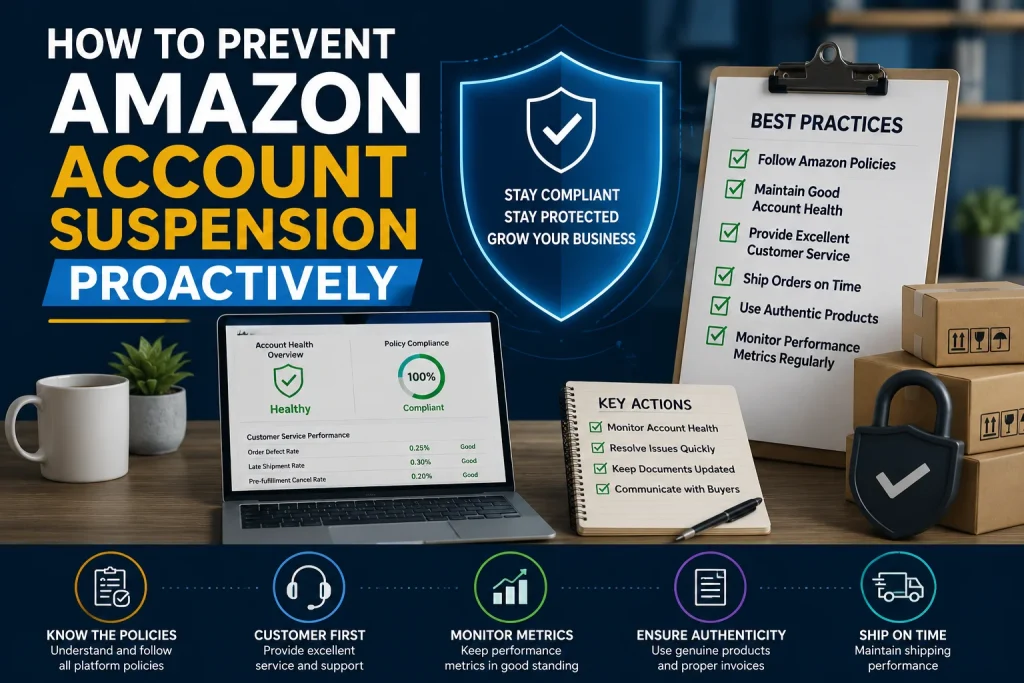
How to Prevent Amazon Account Suspension Proactively

Selling things on Amazon is a way to grow your business but you have to make sure you follow the rules. If you do not your account might get. That can be really bad for your business. You will lose sales and people will not trust you much.. The good news is that you can avoid most of these problems if you are careful and pay attention to what you are doing. To be successful on Amazon you have to be proactive. This means you have to watch your account all the time and make sure everything is okay. You have to check your account performance make your processes better and fix any problems that come up away. This way you can protect your business. Keep growing. Understand Amazon Rules The first thing you have to do to avoid getting your account suspended is to understand Amazons rules. You have to know what you can and cannot do on the site. This includes things like how to list your products how to talk to customers and how to protect peoples property. Amazon changes its rules a lot so you have to stay to date. You have to check the rules to make sure you are not doing anything wrong. This way you can avoid getting in trouble. Check Your Account Health Regularly Amazon has a tool that helps you see how your account is doing. This tool is called the Account Health Dashboard. It shows you things like: * Order Defect Rate * Late Shipment Rate * Valid Tracking Rate * Cancellation Rate * Customer Complaints * Policy Warnings You have to check these things all the time so you can find any problems before they get big. Make Sure Your Product Listings Are Accurate When you list a product on Amazon you have to make sure the information is correct. If it is not customers might get mad. You might get in trouble. You have to include things like: * Correct product details * Honest descriptions * Good quality pictures * variations * Accurate specifications If you do this customers will be happy and you will not have as many problems. Give Your Customers Great Service Amazon cares a lot about what customers think. If you treat your customers well they will be happy. You will not have as many problems. You have to do things like: * Answer customer questions away * Fix problems professionally * Give refunds when you need to * Handle returns well * Be nice to customers Happy customers mean you will do better on Amazon. Manage Your Inventory Well If you run out of products or sell more than you have it can hurt your account. You have to plan and make sure you have enough products. You have to check how products you will need and order more before you run out. This way you can keep selling. Avoid problems. Use Amazon Reports To Make Good Decisions One of the ways to avoid getting your account suspended is to check your business data often. Amazon has a tool that helps you do this. It is called Amazon Reports Management. It shows you things like: * Order trends * Returns * Customer feedback * Inventory performance * metrics If you use this tool you can find problems before they get big. You can make decisions and avoid trouble. Do Not Break Intellectual Property Rules One of the reasons Amazon suspends accounts is because of intellectual property problems. You have to make sure you are not breaking any rules. You have to: * Sell products * Use pictures that you own or have permission to use * Use brand names correctly * Make sure product information is original * Get permission to sell branded products when you need to If you do this you can avoid getting in trouble. Check Your Performance Often Good sellers do not wait until they have problems to check their performance. They check it every week. Try to find ways to improve. They use Amazon Reports Management to compare data check trends and find weaknesses. This helps them make decisions and avoid suspension. Fix Policy Warnings Away Sometimes Amazon will warn you if you are doing something wrong. You have to fix the problem away. You have to: * Read the warning carefully * Find the problem * Fix it * Document what you did * Keep checking your performance If you do this you can show Amazon that you care about following the rules. Check Your Account Regularly You have to check your account every month to make sure everything is okay. You have to check things like: * Listing accuracy * Inventory levels * Customer feedback * Performance metrics * Policy compliance * Order processing efficiency Many sellers use Amazon Reports Management to help them do this. It gives them a view of their account and helps them make improvements. Get Help From Professionals Running an Amazon business can be hard. You have to know a lot about things like compliance, inventory management and account health. You can get help from professionals who know what they are doing. They can help you find risks improve your operations and follow Amazons rules. Build Long Term Success Avoiding account suspension is not about fixing problems. It is about building a business that follows Amazons rules. You have to check your account health make sure your listings are accurate give your customers service manage your inventory well check your business data and follow Amazons policies. If you do this you can reduce the risk of suspension. Build a successful business, on Amazon.

Blog

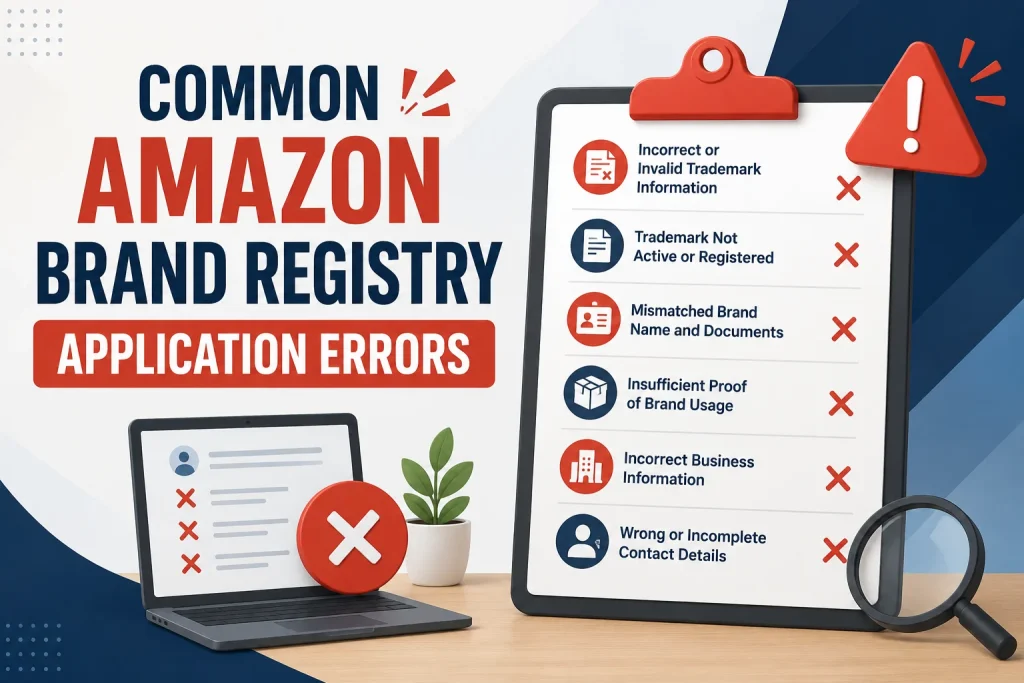
Common Amazon Brand Registry Application Errors

Building a private label business starts with protecting your Amazon brand. The Amazon Brand Registry is a tool that helps you keep your brand safe. It also helps you make your product listings better and makes customers trust you more.. A lot of people have problems when they apply because they make mistakes that could be avoided. If you know what these mistakes are you can save time. Get your application approved. There are companies like Bizistech that help people fill out their applications correctly. They make sure everything is right so you do not have any problems. Why Do Amazon Brand Registry Applications Get Rejected Amazon checks every application carefully to make sure the person applying really owns the brand and has given the information. If there is a small mistake it can cause delays or your application might get rejected. Most of the time the problems are because of information not because the person does not qualify. Your Brand Name Has To Match Your Trademark One mistake people make is not using the exact same name for their brand as they did when they registered their trademark. Even if you leave out a space or use words it can cause problems when Amazon tries to verify your information. You should always check your application against your trademark records before you submit it. Make sure your brand name is the same as it is on your registration documents. Wrong Trademark Information A lot of people accidentally put in the trademark number or choose the wrong trademark office when they apply. These small mistakes can stop Amazon from verifying your registration. You should double check all your trademark information before you submit your application so you do not have any delays. Bad Product Pictures Amazon wants you to have pictures of your products with your brand name on them. If your pictures are not clear or if you just have a sticker on your product it can cause problems with your application. You should use quality pictures with good lighting so every detail of your brand is easy to see. Your Business Information Has To Match All your business information, like your business name and tax information has to match. If Amazon cannot verify this information your application might get rejected. A lot of people do not notice differences in their company name or address that can cause problems. Choosing The Wrong Product Category If you choose the category for your product it can confuse Amazon and make it harder for them to verify your application. You should choose the categories that best fit the products you sell under your brand. If you give Amazon information about your products they can review your application more quickly. Not Responding To Amazons Emails Sometimes Amazon will send you an email to verify some information or ask for documents. If you do not respond to these emails it can delay your application. You should check your email regularly after you submit your application and respond quickly if Amazon asks for anything. Uploading Old Documents Some people upload business records or outdated trademark information. You should always upload the recent documents that show your current business information. If you have up-to-date records it can help you get approved quickly. Technical Problems When You Submit Sometimes your application might not go through because of problems with your browser or the Amazon website. If this happens you should try again later. Use a different browser. How Being Prepared Can Save You Time If you get all your documents ready before you start your application you can avoid mistakes. Get approved more quickly. You should check all your information carefully before you submit your application. There are companies like Bizistech that can help you get your trademark records and business documents in order. They can also make sure your application is correct so you do not have any problems. Being prepared can also help you with things, like amazon ppc management, which can help you get more visibility for your brand once it is registered. After you get approved you can use the benefits of the Amazon Brand Registry along, with amazon ppc management to get more people to see your products protect your brand and sell more. As your business grows amazon ppc management can help you keep your advertising working while the Amazon Brand Registry protects your brand. If you work with people who are experienced in amazon ppc management you can get the most out of your brand. Conclusion The Amazon Brand Registry is a tool but you have to fill out your application correctly. Most people get rejected because they make mistakes that they could have avoided, like trademark information or bad product pictures. If you check everything carefully before you submit your application you can avoid delays. Get approved more quickly.

Blog

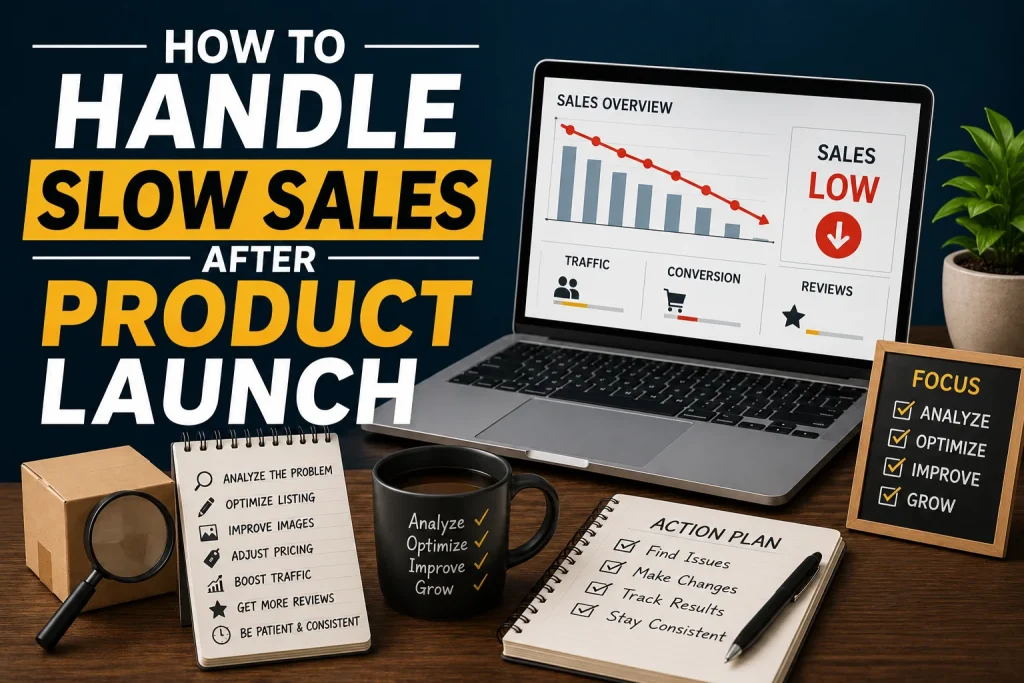
How to Handle Slow Sales After Amazon Product Launch

Launching a product on Amazon can be really exciting but when sales are slow after the launch it can get frustrating for sellers. A lot of sellers think that their product will take off away and they will start getting orders quickly but that does not always happen. If your product is not selling well it does not mean that it is a product. Sometimes the problem is that people are not seeing your product or your product listing is not good enough or your price is too high or people do not trust your brand. The best thing to do is to stay calm and look at the numbers. You need to figure out what is going wrong and then make some changes. Here are some things you can do to handle sales after you launch your Amazon product. Find the Real Reason Behind Slow Sales The first thing you need to do is find out why your product is not selling well. Do not try to change everything at the time because then you will not know what is working and what is not. Start by looking at how many people’re seeing your product and what they are doing when they see it. If nobody is looking at your product then you need to work on getting people to see it. If people are looking at your product but not buying it then you need to work on your product listing your price or your brand. Looking at your sales numbers can help you figure out what the problem is, of just trying things and hoping they work. Review Your Product Listing Carefully Your product listing is really important. It can make people want to buy your product or it can make them want to buy something Look at your product title your pictures, your description and your key features. Make sure you are answering all the questions that people might have when they are thinking about buying your product. Your main picture should show your product clearly. Your other pictures should show how it works and what it can do. Try to look at your listing like a customer would. Ask yourself if you can tell what the product is and why you should buy it. Improve Your Product Visibility When you launch a product on Amazon it takes time for people to start seeing it. If your product is not visible then you will not get sales. Look at the keywords you are using and make sure they are the keywords that people are using when they search for products like yours. Your advertising should also be focused on getting the right people to see your product. Do not just spend money on ads without looking at the results. The point of advertising is not just to get people to click on your ad. It is to get people to buy your product and to help your product become more popular over time. Check Your Pricing Strategy The price of your product is also really important. People often look at different products before they decide which one to buy. If your product is too expensive compared to similar products then people might not buy it.. If you lower your price too much then you might not make as much money as you want to. Look at what your competitorsre charging for their products and think about what makes your product special. You want to set a price that will attract customers. Also make sure you are making enough money. Build Customer Trust When you launch a new product on Amazon people do not know much about your brand. This is where Amazon brand management comes in. Your product listing should look professional. Be consistent with your brand. You should have pictures, helpful information and accurate descriptions. This will help people feel more confident when they are thinking about buying your product. You want to make sure that customers have an experience when they buy from you. When people trust your brand they are more likely to buy your product. Avoid Making Many Changes at Once One thing that sellers often do when they have slow sales is make a lot of changes all at once. They change the price rewrite the listing stop their ads and update their pictures all at the time. This can be. It can be hard to tell what is working and what is not. Instead you should focus on one thing at a time. Make a change see how it works and then decide what to do If you are patient and look at the numbers you will usually make decisions than if you just make emotional decisions. Use Performance Data to Guide Your Next Move Your sales numbers can tell you a lot about how your product’s doing. Look at how many people’re seeing your product how many people are clicking on it and how many people are buying it. If people are clicking on your product but not buying it then you need to work on your listing and on building trust with your customers. If not many people are seeing your product then you need to work on getting visibility. If sales are slow then you need to keep trying things and seeing what works. Amazon brand management is about understanding how your product is doing and making decisions based on real information not just guesses. Give Your Product Time to Grow Not every product is a hit away. Some products need time to get popular to get customers interested and to start selling This does not mean you should just ignore sales. It means you should give your product a chance and keep working on the things that are not working. A good launch strategy involves always looking at the numbers trying things and making improvements. With the changes slow sales can actually be a chance to build a stronger foundation, for your product. Final Thoughts

Blog

Amazon Product Launch Checklist for Low Competition Niches

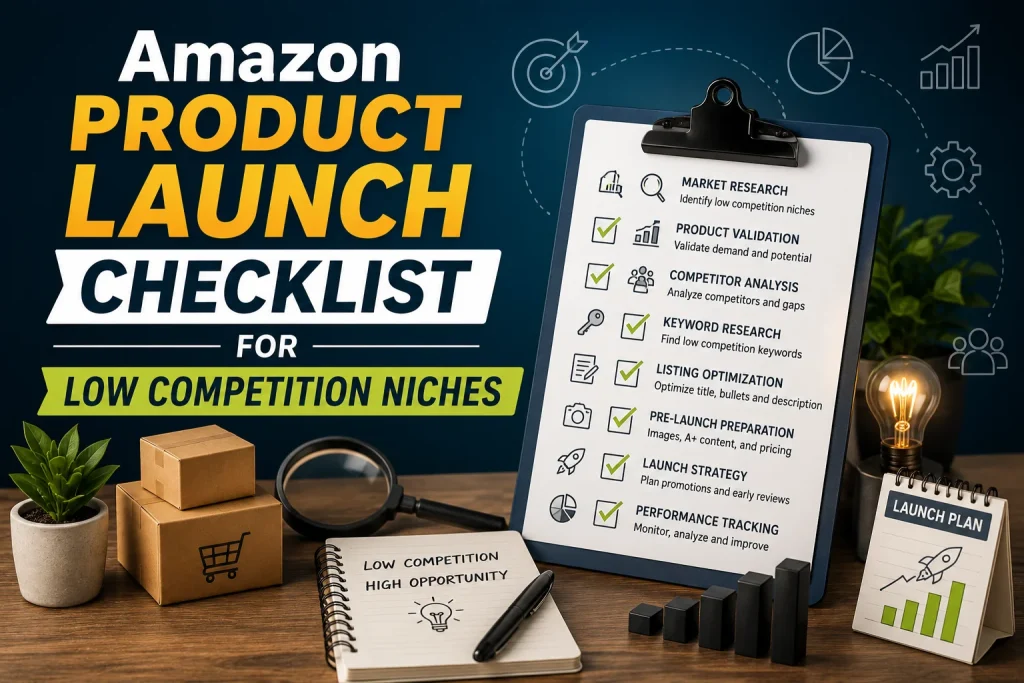
Launching a product in a low competition niche can give sellers a valuable advantage on Amazon. However, lower competition does not automatically guarantee success. You still need the right product, a clear launch plan, strong listing content, and a strategy that helps your product gain visibility from the beginning. A proper Amazon product launch checklist can help sellers avoid costly mistakes and build a strong foundation for long term growth. If you are preparing to launch a product in a niche with fewer competitors, the following steps can help you move forward with greater confidence. Validate Demand Before Choosing the Product The first step is to confirm that customers are actually looking for the product. A niche may have limited competition because there is limited demand. This is why product research should focus on both opportunity and customer interest. Review search trends, customer purchasing behavior, and related product demand. Look for products that solve a clear problem or meet a specific need. A low competition niche becomes more valuable when customers are actively searching for a solution. Do not rely on a single metric. Consider the overall market opportunity before placing an inventory order. Study Competitors Carefully Low competition does not mean you should ignore existing sellers. Analyze the top products in the niche and understand what they are doing well. Review their product images, titles, bullet points, pricing, and customer feedback. Pay close attention to negative reviews because they can reveal problems that customers are still facing. These weaknesses may give you an opportunity to improve your own product. A successful launch often begins with finding a clear gap in the market instead of simply copying existing products. Confirm Your Product Has a Strong Differentiator Before launching, ask yourself one important question. Why should customers choose your product? Your product should offer something meaningful. This could be better usability, improved materials, a more convenient design, or a feature that solves a common customer complaint. A clear differentiator also makes your listing easier to create. When customers understand the value of your product quickly, they are more likely to consider purchasing it. Prepare Your Listing Before Launch Your product listing should be ready before you start sending traffic to it. Make sure the title explains the product clearly and includes relevant search terms naturally. Your bullet points should focus on customer benefits rather than simply listing features. Product images should show the item from different angles and explain how it can be used. The product description should support the buying decision by answering common customer questions. A weak listing can waste valuable launch traffic, even when the product itself has strong potential. Build a Focused Keyword Strategy Low competition niches often include specific and highly relevant search terms. Instead of targeting every possible keyword, create a focused keyword strategy based on customer intent. Separate keywords according to how customers search. Some terms may be used for product discovery, while others show strong buying intent. Use relevant terms naturally throughout your listing and advertising campaigns. A focused keyword plan helps your product attract the right audience instead of generating irrelevant traffic. Plan Your Advertising Budget Advertising plays an important role during a new product launch. However, sellers should avoid spending their entire budget without a clear plan. Start with a controlled advertising budget and monitor the results closely. Use early data to understand which search terms attract clicks and which terms generate sales. Working with an experienced amazon ppc management service can help sellers structure campaigns more effectively and reduce wasted advertising spend. The right campaign strategy can support visibility while the product begins building sales data. Launch With a Clear Sales Strategy A launch should not be treated as a single day event. Plan the first few weeks carefully and decide how you will manage traffic, pricing, and advertising. Your goal should be to create consistent sales activity while maintaining healthy inventory levels. Avoid making major changes every few hours based on limited data. A well planned launch gives you time to understand customer behavior and make informed decisions. Monitor Early Performance Closely The first few weeks provide valuable information about your product. Monitor impressions, clicks, conversion rate, sales, and customer feedback. If your product receives clicks but very few sales, your listing may need improvement. If your conversion rate is strong but traffic is low, your keyword or advertising strategy may need attention. An amazon ppc management service can help analyze campaign performance and identify areas where budget adjustments may improve results. Keep Inventory Ready for Growth One of the most common launch mistakes is failing to plan inventory properly. A product may begin gaining traction, but running out of stock can interrupt sales momentum. Estimate your expected launch demand and maintain a suitable inventory plan. Consider supplier lead times and possible delays before launching. Low competition niches can sometimes grow faster than expected when a product receives positive customer attention. Staying prepared helps you take advantage of that opportunity. Review Results and Improve the Strategy A successful launch does not end after the first month. Review your sales data, advertising results, customer feedback, and competitor activity regularly. Identify what worked and what needs improvement. Update your listing when necessary and adjust your advertising strategy based on real performance data. With the support of an amazon ppc management service, sellers can continue refining campaigns and making better decisions as more data becomes available. Final Thoughts Launching a product in a low competition niche can be a smart growth opportunity, but success requires careful preparation. From validating demand and studying competitors to preparing your listing and managing advertising, every step matters.

Blog

How to Build Amazon Listing Trust Before Launch

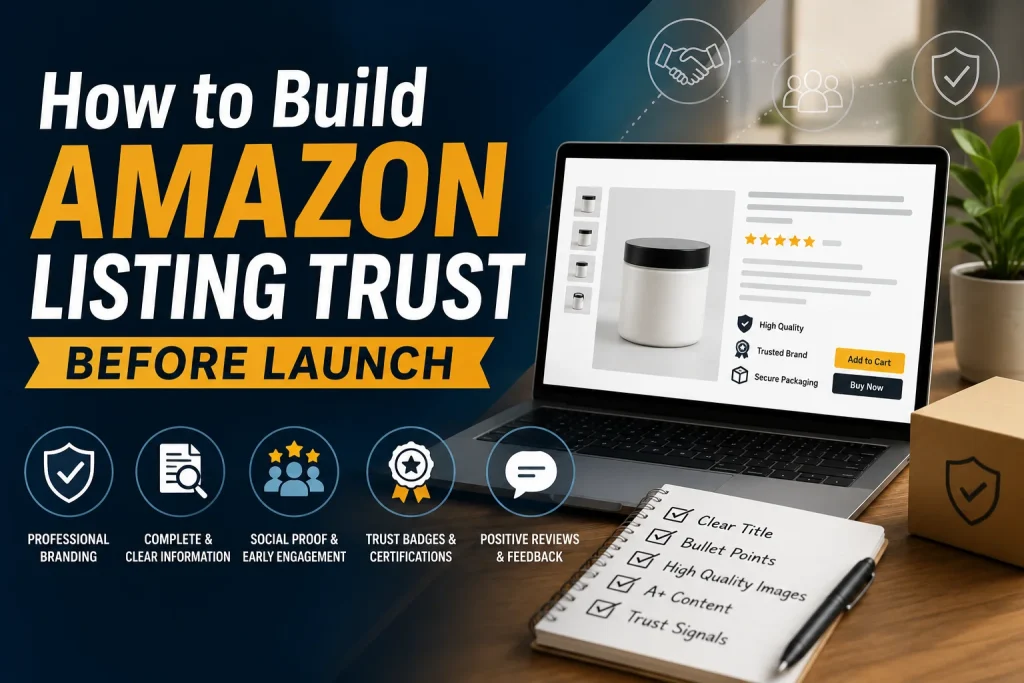
When you launch a product on Amazon it is not just about adding the product to the marketplace and waiting for people to buy it. Before people even think about placing an order they quickly decide if your listing looks trustworthy. If your product page seems hard to understand or unprofessional people might decide to look elsewhere before giving your product a chance. Building trust for your Amazon listing before it launches gives your product a start. It helps people understand what you are selling reduces their doubts and makes your brand seem professional from the very beginning. For people who are getting ready to sell a product following these steps can make a big difference. Start With a Clear and Honest Product Message Your product listing should clearly explain what the product is and who it is for away. People should not have to read the page to understand the main purpose of the product. Use a product title that clearly describes the product in a way. Do not put words in the title or make claims that are not true. The main benefit of your product should be easy to understand. A trustworthy listing is clear and honest than trying to hype up the product. When people quickly understand how a product can help them they are more likely to keep looking at the page. Use High Quality Product Images The first thing people notice when they open your listing is the images. Good product photography can make a new brand seem established and reliable. Your main image should clearly show the product without any confusion. Additional images can show features, the size of the product how to use it and the main benefits. Images of the product in use can also help people imagine how it fits into their lives. Avoid images that’re too crowded with too much information. Each image should answer a question. Remove a doubt from the customers mind. Create Detailed and Customer Focused Content A listing does more than just describe the products features. It explains how the product solves a problem for the customer. Of just talking about the materials or technical details explain what those features mean for the buyer. For example if a product is designed to be easy to use explain how it saves time or makes a task more convenient. Before you launch look at your content from the customers point of view. Ask yourself if a new shopper would feel confident buying the product after reading the listing. If the answer is no you need to work on the content more. Make Your Brand Look Consistent Trust grows when a brand looks professional across the listing. Your images, product message and brand presentation should all feel connected. A consistent visual style makes your product seem reliable. It also helps people remember your brand when they see it again. New sellers often focus much on the product itself and forget about the importance of presentation. However a polished brand experience can create a first impression before the product gets a lot of sales history. Answer Customer Questions Before Launch Think about the questions people might ask before buying. What is the product size? How do you use it? What makes it different? Is it suitable for a type of customer? Use your listing content to answer these questions ahead of time. Clear information can reduce uncertainty. Help people feel more comfortable making a buying decision. An experienced amazon account management agency often looks at the customer journey when preparing a listing. This includes identifying objections and improving the product page before the launch begins. Avoid Making Claims You Cannot Support Making promises you cannot keep can damage customer trust. Claims should be accurate, realistic and connected to the product. Do not use statements just to make your listing sound more attractive. People quickly notice when a product does not match the expectations created by the listing. Honest communication about your product creates a foundation for long term growth. It can also help reduce disappointment and unnecessary customer complaints after launch. Review Your Listing From a New Customer View Before your product goes live take a step back and review the listing as if you have never seen the product before. Does the listing look professional? Is the product easy to understand? Do the images support the written content? Are the main benefits clear? This simple review can reveal problems that’re easy to miss when you have been working on the product for weeks. Looking at it with eyes can often improve the final presentation. Use Professional Support When Needed Preparing a trusted listing requires research, content planning, visual presentation and careful attention to detail. Sellers who are handling tasks may find it hard to do everything alone. Working with an amazon account management agency can provide an organized approach to listing preparation. Professional support can help sellers review their product page improve its presentation and prepare the listing for a launch. Build Trust Before You Ask for the Sale Amazon listing trust starts before the first customer places an order. A clear message, images, useful information and honest product presentation all contribute to the buyers confidence. When sellers focus on trust before launch they create a foundation, for their product. The goal is not just to make a listing look attractive. It is to help people feel informed and comfortable enough to take the step.

Blog

Amazon Product Launch Timeline: Week by Week Guide

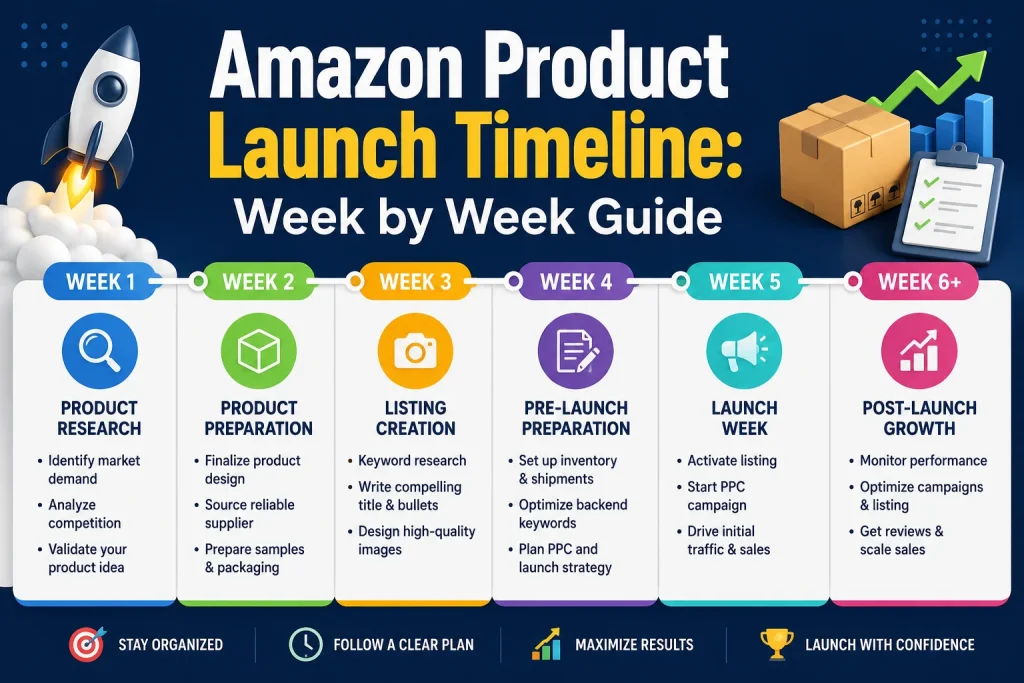
Launching a new product on Amazon is exciting but success rarely happens overnight. A strong product launch needs planning preparation and consistent action at every stage. Following a clear Amazon product launch timeline helps sellers stay organized avoid costly mistakes and build momentum from the beginning. Whether you are launching your first product or expanding an existing ecommerce business this week by week guide can help you understand what to focus on before during and after launch. Week One Research and Launch Planning The first week should focus on preparation. Start by understanding your target customer and studying the market. Look at competing products customer reviews pricing and the features buyers care about most. This is also the right time to define your launch goals. Decide whether your priority is sales visibility keyword ranking or building initial product data. Clear goals make it easier to measure progress later. Prepare your launch budget and create a simple action plan. Sellers who work with a Shopify store management agency often understand the importance of organized ecommerce planning across different sales channels. The same structured approach can be useful for Amazon product launches. Week Two Product Listing Preparation Your product listing should be ready before the launch begins. Focus on creating a clear title strong product descriptions and persuasive bullet points. Every part of the listing should explain why your product is useful and how it solves a customer problem. Images are equally important. Use high quality visuals that show the product clearly and explain its main benefits. Your main image should attract attention while additional images help answer common customer questions. During this week review the listing from a buyer perspective. Ask yourself whether a new customer can understand the product within a few seconds. Week Three Keyword and Campaign Setup The third week is about building your visibility strategy. Identify relevant search terms that match your product and customer intent. Avoid targeting random keywords simply because they have high search volume. Prepare your advertising campaigns before the product goes live. Create a testing plan with different keyword targets and match types. Set a realistic budget and decide how you will monitor performance. A Shopify store management agency often uses data driven campaign planning to improve ecommerce performance. Applying this same mindset to Amazon can help sellers make better launch decisions instead of relying on guesswork. Week Four Final Checks and Product Launch Now it is time to complete your final checks. Review your inventory status listing content pricing images and advertising campaigns. Make sure everything is ready before customers begin seeing your product. Once the product is live monitor activity closely. Do not make major changes every few hours. Give your campaigns enough time to collect useful data while watching for serious issues. Your focus during launch week should be visibility and early customer response. Pay attention to impressions clicks conversions and customer questions. Week Five Performance Review and Optimization After the first week of launch it is time to study the data. Identify which keywords are attracting clicks and which are generating sales. Review your advertising performance and compare results with your original goals. If certain keywords are receiving clicks without conversions they may need closer attention. You may also discover that customers respond better to a specific product benefit than expected. This is where ongoing ecommerce experience becomes valuable. A Shopify store management agency understands that performance improvement usually comes through regular testing and optimization rather than one major change. Week Six Scaling What Works By week six you should have enough information to identify your strongest opportunities. Focus more attention on keywords and campaigns that are producing positive results. Avoid increasing your budget too quickly. Scale gradually and continue monitoring your conversion rate and advertising costs. At the same time review your inventory levels so strong demand does not create stock problems. A successful launch is not finished after the first sale. The goal is to create a reliable sales foundation that can continue growing over time. Common Amazon Launch Mistakes to Avoid Many sellers launch without enough inventory or rush their listing preparation. Others spend too much on advertising before understanding their campaign data. Another common mistake is changing everything too quickly. Product launches need patience and consistent monitoring. Sellers should make decisions based on useful data instead of emotional reactions to short term results. Working with a Shopify store management agency can teach businesses the value of structured store management and continuous performance review. These principles are also highly useful for Amazon sellers. Final Thoughts A successful Amazon product launch is built step by step. Week one is about research and planning. Week two focuses on listing preparation. Week three builds the keyword and advertising strategy. Week four launches the product while the following weeks focus on data analysis and growth.

Scroll to Top