BizisTech | No.1 Ecommerce Marketing Agency USA

#SellerSuccess

Blog

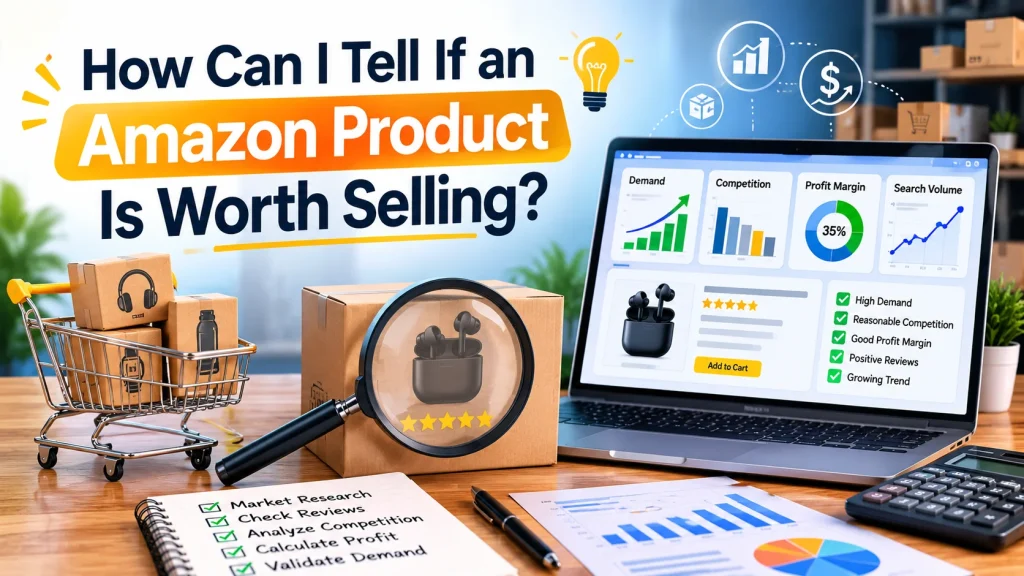
How Can I Tell If an Amazon Product Is Worth Selling?

Finding a product that really looks good is not that hard.. Finding one that can actually make you money consistently is a lot tougher. A product might be really popular. There are just too many people selling it.. It might sell well but it costs a lot to ship.. People might really want it but you do not make much money from it. That is why people who sell things on Amazon really look at a product from all sides before they spend any money. A good product should be something that people want to buy and not many other people are selling it. It should also not cost much to make or ship and you should be able to sell it for a long time. If you do your research you can avoid making mistakes that cost you money and build an Amazon business. Start With How Much People Want the Product The first thing you need to ask is if people are really looking for this product. If a product is something that people want to buy all the time you are more likely to sell it Look at how many people’re searching for it how well it sells, what customers say about it and if people want it all year round. Do not just look at things that’re popular for a short time because people might stop wanting them quickly. Some products are only popular at times of the year but they can still make you money. You just need to know when people want them so you can buy enough to sell. Study Your Competition How many other people are selling this product is a big deal. If a lot of sellers are already selling it it might be hard to compete with them. Look really closely at what they’re doing. Check their prices the quality of their products their reviews, pictures, descriptions and how they present their products. If most of them have a lot of reviews and are well known it might be hard to compete with them On the hand if there are not too many other sellers and they are not doing a great job you might have a good chance to sell this product. Calculate How Money You Will Really Make Just because you sell a lot of something does not mean you will make a lot of money. Before you start selling a product you need to think about all the costs. Consider how much it costs to make the product ship it and sell it on Amazon. You also need to think about storage, advertising, packaging, returns, taxes and other costs. If you subtract all these costs from what you hope to sell it for you will know if you can really make money from it. A product might seem cheap to make. Once you add up all the costs it might not be worth it. Always do the math before you buy a lot of inventory. Look for Ways to Make the Product Better A product is more attractive if you can make it better than what’s already out there. Think about what people do not like about products. Read reviews to see what people complain about. They might say the materials are bad the instructions are confusing the packaging is weak the design is not good or it is missing features. These complaints can help you make a product. You should not just try to copy what is already there. Instead try to make the product better for the customer. Consider How Big and Heavy the Product Is How big and heavy a product is can really affect how money you make. Big or heavy products cost more to ship and store. Smaller and lighter products are usually easier to deal with. That does not mean they are always a good choice. You still need to think about if people want it if there is much competition and if you can make money from it. If you know how much it will cost to ship and store a product before you start selling it you will not be surprised later. Check If You Can Sell the Product for a Good Price A product needs to be something that you can sell for a price that makes you money. If other people are selling the product really cheap it might be hard to make a profit. Look at how much people’re willing to pay for a product and if they would pay more for a better one. Try not to sell something that you have to keep making cheaper to compete. Look at What Customers Say What customers say about a product can tell you a lot about what’s really going on. It shows what people like and what they do not like about a product. Pay attention to what people complain about over and over. If people keep saying the same thing is wrong with a product you might be able to make it better and sell it to them. Reviews can also help you understand what people really want and make a product that meets their needs. Think About If You Can Sell This Product for a Long Time A product that can make you money should be something that you can sell for a time. Think about if you could sell related products or different versions of the same product. A product that you can sell for a time can help you build a brand rather than just selling one thing. This way you can also make a plan for your business that will work for a time and keep your customers happy. Consider What You Are Good At and What You Have The best product for one person to sell might not be the best for another. Your budget, experience and skills all matter. If you are new to selling things you might want to start with something that’s easier to understand and
Blog

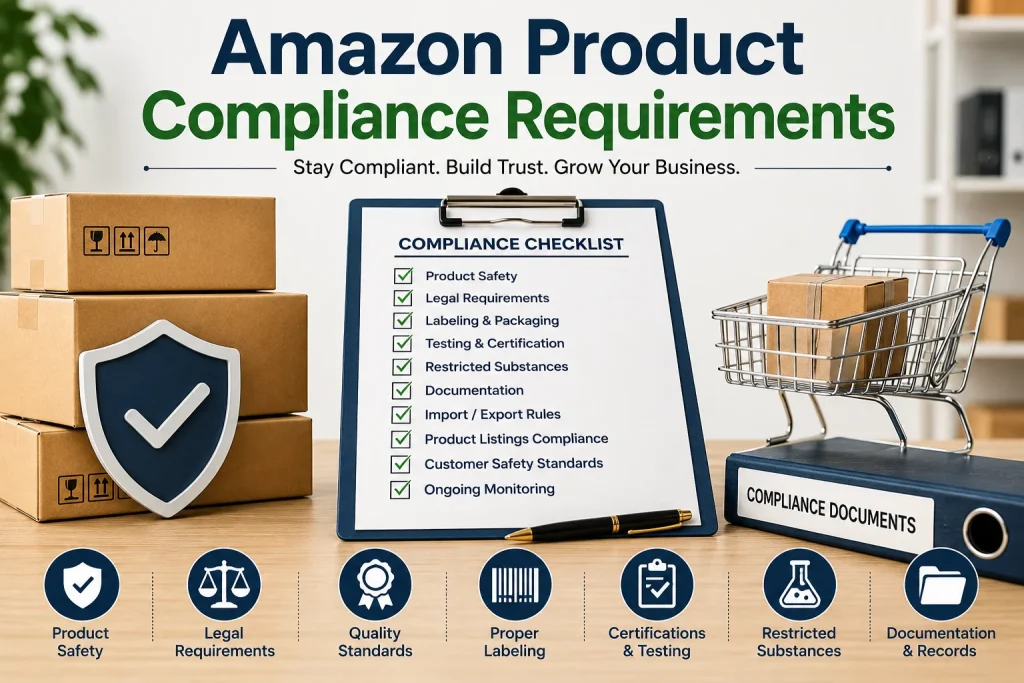
Amazon Product Compliance Requirements

Selling products successfully on Amazon requires more than creating listings and setting competitive prices. Sellers must also make sure their products meet safety standards, regulatory requirements and marketplace policies. Product compliance is especially important because Amazon may require supporting documents before certain products can be listed or remain available for sale. A strong compliance process protects customers reduces listing interruptions and helps sellers build a reliable ecommerce business. Understanding the requirements before launching a product can save time prevent unexpected costs and reduce the risk of compliance problems. Why Product Compliance Matters Product compliance confirms that an item is suitable for sale and meets the rules that apply to its category and selling market. Requirements can vary depending on the product its materials, intended use, destination country and applicable regulations. Amazon can request documentation to verify product safety and compliance. For products to specific compliance requirements required documentation may need to be submitted and approved before a new listing can become available. This makes compliance an important part of product planning than something sellers should address after receiving a warning. Identify Requirements Before Launch One of the effective ways to avoid compliance delays is to research requirements before purchasing inventory. Sellers should identify the regulations that apply to their product and determine what evidence may be required. Depending on the product documentation may include safety reports, certificates, test results, product specifications, labeling information or other regulatory records. Research should also consider the marketplace where the product will be sold. Requirements can differ between countries so a product that meets requirements in one market may need documentation before being sold elsewhere. Keep Product Documentation Organized Compliance documents should be accurate, current and easy to locate. Sellers should maintain records for every product and make sure the information matches the actual item being sold. Important details such as product model numbers, manufacturer information, testing information, product specifications and labeling should remain consistent across documentation and listings. Poor record keeping can create delays when Amazon requests verification. A structured documentation system makes it easier to respond and provide appropriate evidence. Pay Attention to Product Testing Some product categories require testing, inspection or certification through approved providers. Amazon has stated that certain categories, including supplements, childrens toys and e mobility products may be subject to testing, inspection and certification requirements. For products sellers should plan testing early because the process can take time. Amazon currently states that testing typically takes thirty days after the provider receives samples for certain compliance processes. Planning ahead helps sellers avoid launching inventory before the necessary compliance process is complete. Review Labels and Packaging Labels and packaging are another part of product compliance. Sellers should verify that required information is correctly displayed and that packaging accurately represents the product. Depending on the product and market required information can include warnings, usage instructions, manufacturer details, material information, age recommendations or other regulatory details. Before sending quantities of inventory to fulfillment centers sellers should review packaging carefully and correct potential problems. Connect Compliance With Inventory Planning Compliance and inventory management should work together. Ordering quantities of products before confirming their compliance status can create significant financial risk if the inventory cannot be listed or sold. Using an Amazon fba inventory management service can help sellers maintain visibility over inventory levels, product movement and replenishment decisions while compliance checks are incorporated into the broader operational process. A compliance issue should never be treated as a listing problem. If inventory has already been purchased, stored or shipped delays can affect cash flow, storage costs and sales performance. Monitor Compliance After Launch Compliance does not end when a product becomes available for sale. Sellers should continue monitoring their account, listings, documentation and product requirements. Amazon may request information to verify product safety and compliance at different points in the selling process. Regular reviews can help identify expired documents, changes in product specifications packaging updates or new requirements before they become problems. Respond Quickly to Compliance Notifications Receiving a compliance notification does not necessarily mean the product has to be abandoned. Sellers should carefully review the request identify the product gather accurate documentation and submit the required information through the appropriate Amazon process. For testing and certification requests Amazon directs sellers through Account Health and its compliance management process. Sellers may also have an appeal option when they believe a compliance requirement has been applied incorrectly. Quick and accurate responses can help minimize disruption to sales. Build Compliance Into Your Amazon Strategy sellers treat compliance as part of their overall ecommerce strategy. Product research, supplier selection, documentation, inventory planning listing management and account monitoring should all work together. An Amazon fba inventory management service can support this approach by helping sellers maintain inventory operations while they focus on product quality and marketplace requirements. The goal is not simply to react when Amazon requests documentation. A proactive compliance system gives sellers confidence when introducing new products expanding into new markets and scaling inventory. Final Thoughts Amazon product compliance requirements can vary significantly by category and marketplace making preparation essential for sellers who want growth. Verifying requirements, before launch maintaining documentation using appropriate testing providers reviewing packaging and monitoring compliance after launch can reduce avoidable problems.

Scroll to Top