BizisTech | No.1 Ecommerce Marketing Agency USA

#BusinessGrowth

Blog

How Do I Know if My Amazon Business Is Actually Profitable?

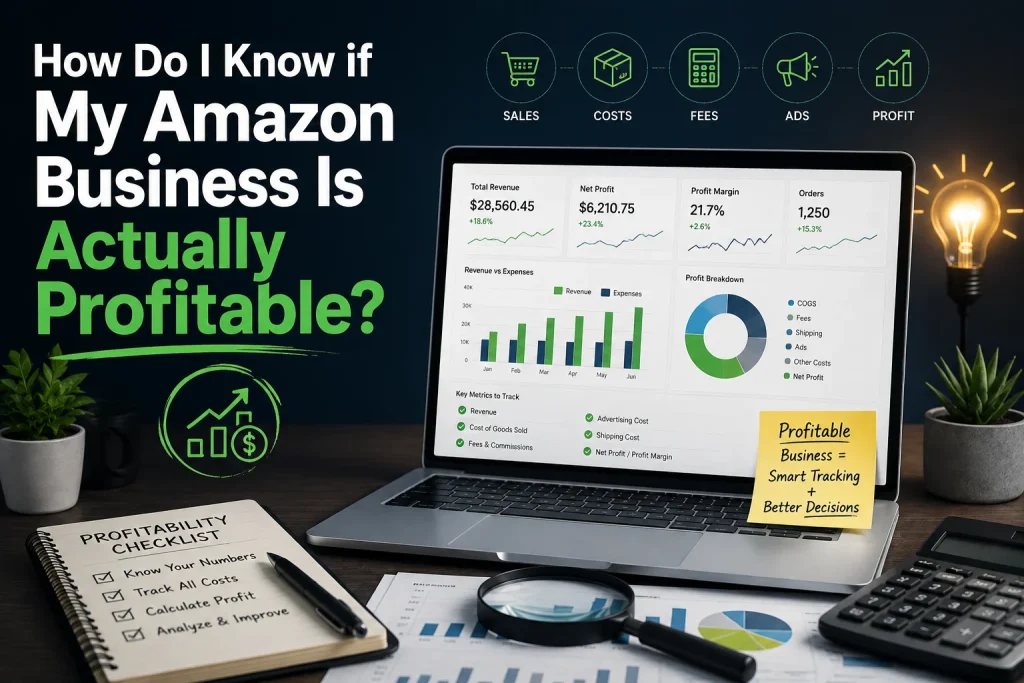
Running an Amazon business can look good when sales are going up orders are coming in and the money seems to be flowing in.. High sales do not always mean high profits. Many sellers find out that advertising costs, Amazon fees, product costs, shipping, storage, returns and other daily expenses can take a chunk out of their real earnings. Knowing how much money your business is actually making is important if you want to make choices and build a business that lasts. Start With Your Money The first thing to do is figure out how much money your business is really making. Don’t just look at sales. Check your revenue after refunds, returns, discounts and other things that take away from your sales. For example if your store has a lot of sales but has a lot of returns or discounts your real money might be much less than the number on your sales report. Tracking your money gives you a clear starting point to see if your business is making a profit. Calculate All the Costs for Each Product Just knowing the cost of your product isn’t enough. You need to add up all the costs involved in getting that product ready to sell and sending it to the customer. Think about costs like making the product, packaging, shipping, customs, storing and preparing the product. Try to link these costs to each product as much as possible. Once you know the cost of each item you can see if your selling price gives you enough space for a good profit. Include Amazon Fees and Shipping Costs Amazon fees and shipping costs can really affect how money you make. Depending on how you run your business you might have selling fees, shipping charges, storage costs, referral fees and other charges from the platform. If you ignore these costs a product that isn’t profitable might look like its doing well. Check your fees often. Calculate how much profit is left after all the costs are taken out. Check How Your Ads Are Performing Ads can bring in sales. They can also take away from your profit. That’s why sellers should not just look at how much money ads bring in. Check how much you are spending on ads and how money those ads are making. Also look at how much profit’s left after those costs. A good ad plan should help bring in sales that actually make money, not more orders. Regular checks on your ads can help find where money is being wasted and make your ads better. Understand How Much You Really Make Your profit margin shows how money you have left after you pay all your bills. You can think of it as taking all your business costs from your net sales. The amount left is your profit. For instance if your net sales are 10,000 dollars and your total costs are 7,500 dollars your profit is 2,500 dollars. That means your profit margin is 25 percent. Keeping track of this number every month makes it easier to see if your business is actually doing better. Look at Each Product Individually Looking at your whole business can hide problems. One product might be making a lot of money while another is losing money even though its selling. Check each product on its own. Look at its selling price, product cost, shipping costs, ad costs, returns and other costs. This check helps you find your products and decide what to do with the ones that are not doing well. Watch Your Inventory Costs Inventory can quietly hurt your profits. Having much inventory increases storage costs and uses up money that could be used elsewhere. Having little can mean missing out on sales. Managing inventory is about balancing what customers want with what you have in stock. Predicting what customers will want and checking how your inventory is doing can help cut down on storage costs while making sure the products you want to sell are available. Track Your Cash Flow Separately From Profit Profit and cash flow are not the thing. Your business might look like its making money on paper. If the money is tied up in items you haven’t sold or in payments you have to make you might not have much cash to use. Keep track of when money comes in and when it goes out. Having cash flow gives you more control over buying more products running ads and taking advantage of new chances to grow. Know When You Need Help As your Amazon business gets bigger it can get harder to keep track of everything. Sellers need to watch listings, ads, inventory, customer service, reports and how their account is doing all at the time. Working with an Amazon account management agency can help you keep track of all these areas and make choices based on data. A good team can also help find where you are spending much where you can improve your listings and where your business can get better. An Amazon account management agency should focus on results, not just more sales. Profit how well your ads work, how your business runs and long term growth all matter. Make a Profit Review Every Month Make it a habit to check your profits every month. At once a month look at your sales, product costs, Amazon fees, ad costs, shipping expenses, returns, storage costs and other things you pay for. Compare what you see each month to see what is changing. If sales are going up but your profits are not find out why before spending on ads or buying more inventory. If both sales and profits are going up that’s a sign your business is moving in the direction. Focus on Growing the Right Way A successful Amazon business isn’t the one with the sales. It’s the one that keeps making money after all the costs are taken into account. An Amazon account management agency can help you set up
Blog

Step by Step Amazon Growth Strategy for New Sellers

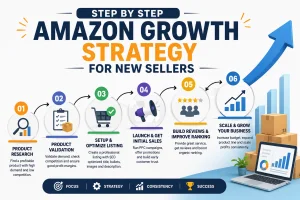
Starting an Amazon business can be super rewarding. Success doesn’t happen overnight. Many new sellers join the marketplace with expectations only to find out that competition changing rules and customer demands make growth tough. The good news is that with the plan any new seller can build a profitable and sustainable Amazon business. This guide explains a step-by-step Amazon growth strategy that helps new sellers establish their presence increase visibility attract customers and grow sales consistently. Understand the Amazon Marketplace Before launching products it’s essential to understand how Amazon works. Amazon rewards sellers who provide customer experiences maintain healthy account metrics and offer products that meet customer needs. Take time to learn about product categories, customer behavior, pricing trends and competitor performance. A strong understanding of the marketplace helps you make decisions and avoid costly mistakes. Choose the Right Product Product selection is the foundation of every Amazon business. Even the best marketing strategy can’t save a product with demand or overwhelming competition. When selecting a product focus on: * customer demand * Reasonable competition levels * Healthy profit margins * Positive market trends * Opportunities for product improvement Research products carefully before investing inventory. Analyze reviews, identify customer pain points. Look for gaps that your product can fill. Create a Professional Seller Account A professional seller account provides access to tools and features that support long-term growth. Ensure your business information is accurate and complete. Pay attention to account health, performance metrics and compliance requirements from the beginning. Maintaining an account builds trust and reduces the risk of future issues. Optimize Product Listings Your product listing acts as your storefront. An optimized listing improves visibility. Increases conversion rates. Key elements include: * product titles * Relevant keywords * Clear bullet points * Product descriptions * High-quality images * Informative product specifications Well-optimized listings help customers understand the value of your product and encourage purchasing decisions. Focus on High-Quality Images Customers can’t physically inspect products online. Images play a major role in buying decisions. Use images that showcase: * Product features * Benefits * Dimensions * Usage scenarios * Packaging details High-quality visuals improve customer confidence. Contribute to higher conversion rates. Build a Competitive Pricing Strategy Pricing affects both visibility and sales performance. New sellers should research competitor pricing. Establish a strategy that balances profitability with competitiveness. Avoid pricing high or too low. Instead focus on delivering value while maintaining margins. As your brand gains credibility and reviews you can gradually adjust pricing to maximize profits. Generate Initial Reviews Customer reviews influence purchasing. Product rankings. Positive reviews help build trust and increase conversion rates. Encourage feedback through excellent customer service, quality products and timely order fulfillment. Focus on customer satisfaction than chasing review numbers. Happy customers naturally leave feedback and become repeat buyers. Leverage Amazon PPC Advertising Advertising is one of the ways for new sellers to gain visibility. Since organic rankings take time to build paid advertising helps generate traffic and sales in the product lifecycle. A planned Amazon PPC management strategy allows sellers to target relevant keywords improve product exposure and gather valuable performance data. Start with campaigns to discover profitable search terms and then expand into manual campaigns for better control and optimization. Monitor and Improve Campaign Performance Advertising success depends on optimization. Effective Amazon PPC management involves monitoring metrics such as clicks, conversions, advertising costs and return on investment. Analyze campaign data regularly. Make adjustments based on performance. Pause underperforming keywords increase bids on terms and refine targeting strategies to maximize results. Consistent optimization helps improve advertising efficiency and supports long-term growth. Strengthen Your Brand Presence Successful Amazon sellers focus on building brands than simply selling products. A strong brand helps: * Increase customer loyalty * Improve repeat purchases * products from competitors * Support long-term business growth Develop branding across product listings, packaging and customer communication. A recognizable brand creates trust. Encourages customer retention. Manage Inventory Inventory management directly impacts sales performance. Running out of stock can hurt rankings. Reduce customer trust. Monitor inventory levels carefully. Forecast demand based on sales trends. Maintaining stock ensures consistent availability and supports uninterrupted growth. Efficient inventory management also helps avoid storage fees and unnecessary costs. Analyze Data and Scale Strategically Growth on Amazon requires data-driven decision making. Review performance reports regularly to identify opportunities for improvement. Track metrics including: * Sales performance * Conversion rates * Advertising results * Customer feedback * Inventory turnover The insights gained through analysis help sellers make decisions and scale more effectively. As your business grows, consider expanding product lines entering categories and increasing advertising investments through professional Amazon PPC management strategies. Stay Consistent and Patient Many new sellers expect success but sustainable growth requires patience and consistency. Amazon rewards sellers who focus on customer satisfaction, product quality and continuous improvement. Keep learning, testing strategies and adapting to market changes. Small improvements made consistently often produce long-term results. Conclusion Building an Amazon business requires more, than simply listing products and waiting for sales. New sellers must focus on product research listing optimization, customer satisfaction, inventory management and strategic advertising.

Blog

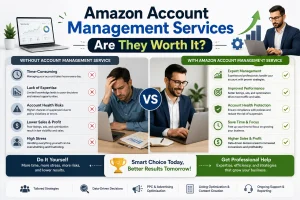
Amazon Account Management Services Are They Worth It

Selling on Amazon can be very profitable. It is getting harder every year. You have to manage your product listings, advertising, customer feedback and inventory. As your business gets bigger these tasks take up time and are harder to manage. This is why many sellers think about getting professional Amazon account management services.. Are these services really worth the money? It depends on what you want to achieve with your business what resources you have and what your plans are for growth. If you understand what these services can do you can decide if they are right for your Amazon business. What are Amazon account management services? These services help sellers manage their Amazon stores every day. They are usually provided by people who know a lot about Amazons rules what is popular on the marketplace and how to make your store better. A team of professionals can help you with things like product listings, inventory control, advertising, customer service and making sure your account is healthy. Their goal is to make your store run smoothly and make more sales. Managing an Amazon store is not easy. Many new sellers think that just listing a product is enough to make sales.. Amazon needs you to manage and optimize your store all the time. There are challenges that sellers face such as: * Increasing competition: thousands of new sellers join Amazon every year so you need to plan and optimize your store to stand out. * Changing Amazon policies: Amazon changes its rules and guidelines a lot so it can be hard to follow them if you’re busy. * Advertising management: you need to watch your advertising campaigns all the time and make changes to get the results. * Inventory control: if you run out of stock it can hurt your sales and rankings. If you have much stock you will have to pay for storage. These challenges make many sellers look for help from an Amazon account management agency. Getting help to manage your Amazon business has many benefits. * You can improve your product listings, which helps people find your products when they search on Amazon. * Your advertising will work better because the professionals know how to make campaigns. * Your account will be healthier because the professionals will watch your performance and fix any problems. * You will save time because you will not have to manage your Amazon store yourself. * You can make decisions because the professionals will give you data and insights to help you. When are Amazon account management services worth it? Not every seller needs them away.. They can be very helpful in certain situations. * You are growing your business: when your sales increase, managing your store gets more complicated. Professional help can make sure you keep growing without any problems. * You do not know much about Amazon: learning about Amazon takes time. If you hire professionals you can use their knowledge. Avoid making mistakes. * Your advertising costs are going up: if you are spending more on advertising but not making much money professional help can make your campaigns better. * You do not have time: many sellers have other businesses besides Amazon. Professional help can make sure your Amazon store is running well. In these situations working with an Amazon account management agency can be very helpful. There are some drawbacks to consider. * It costs money: you need to decide if the benefits are worth the cost. * You need to choose the partner: not all agencies are the same. You need to research and find one that’s good. * You need to communicate you need to make sure you and the agency understand each other and have the same goals. How do you choose the service provider? You should look for an agency that has: * Experienced Amazon specialists * Transparent reporting * growth strategies * Strong communication * Proven success with Amazon sellers * Comprehensive account management solutions A good Amazon account management agency should understand your business goals and make a plan that is just for you. The real value of management is not just about short-term sales growth. It is about building a foundation for long-term success. With help you can improve your brand make customers happier make your operations better and create opportunities for growth. Over time these improvements can make you more money than you spent on the agency.                                                                                                                                                                                                                                                                   Final Thoughts In the end Amazon account management services can be an investment for sellers who want to grow their business and stay competitive. While it costs money the benefits can be significant, such as listings, stronger advertising, healthier accounts and more time, for you.

Blog

Amazon FBA vs FBM: Which Is Better for Your Business

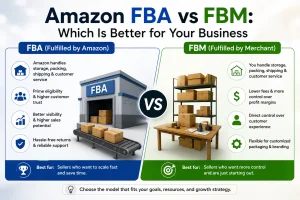
Selling things on Amazon is a way to build an online business. But when you start you have to make a decision: do you use Amazon FBA or Amazon FBM? Both ways of getting your products to customers have things about them and choosing the right one can really affect how much money you make how happy your customers are and how well your business grows in the long run. You need to understand what makes FBA and FBM different so you can pick the one that works best for your business and what you can handle. What Is Amazon FBA Amazon FBA means you send your products to Amazons warehouses. Then Amazon takes care of storing them packing them up shipping them helping customers and handling returns for you. A lot of sellers like FBA because it lets them automate a lot of their work and focus on making their business bigger. Benefits of Amazon FBA Faster Shipping and Prime Eligibility When you use FBA your products can be part of Amazon Prime, which’s really attractive to customers who want their things fast. You also have work to do because Amazon handles a lot of the logistics, shipping and customer support. This means you have time to find new products market your business and make it grow. Your products are more likely to be the choice when customers are shopping because Amazon trusts its own way of getting products to customers. As your business grows Amazon can handle orders without you needing to get more warehouse space or hire more people. What Is Amazon FBM Amazon FBM means you are in charge of storing your products packing orders shipping them helping customers and handling returns. FBM gives you control over your business and can be cheaper for some sellers. Benefits of Amazon FBM You Have Control You get to decide how your products are stored, packed and shipped. You might save money on fees because you do not have to pay Amazon to handle your products. You can store your products wherever you want and use shipping companies. You can make your packaging special. That helps people remember your brand. Comparing Amazon FBA and FBM How Much It Costs FBA costs include storing products getting them to customers and other services. These costs can add up. They also mean you have less work to do. FBM means you do not pay Amazon fees. You have to pay for storing products people to help, shipping materials and customer support. What Customers Think FBA makes it easy for customers to get their products fast and trust that they will be taken care of. FBM is only as good as you are at getting products to customers and helping them. Storing Products FBA means you have to plan so you do not store products for too long or run out. FBM means you have freedom to store products how you want. Growing Your Business FBA can help your business grow fast because Amazon handles getting products to customers. FBM can also work well. You have to be ready to handle more orders and get more help when you need it. When Amazon FBA Is the Better Choice FBA is usually better for sellers who want to focus on marketing and making their business bigger sell fast moving products need to be part of Amazon Prime do not have a lot of warehouse space and want Amazon to handle customer service and returns. Businesses that work with people who help them manage their Shopify store often choose FBA because it makes things simpler and lets them focus on selling in places online. When Amazon FBM Is the Better Choice FBM might be better for sellers who sell heavy products already have a warehouse want to be in charge of getting products to customers need special packaging and want to save money on Amazon fees. Many businesses that work with Shopify store managers use FBM when they already have a system for getting products to customers and want to make money. Can You Use Both FBA and FBM Yes you can. A lot of Amazon sellers use both FBA and FBM. They might use FBA for products that sell fast and FBM for products or ones that are only sold sometimes. This way you can be flexible. Avoid problems like not having enough products or paying too much to store them. A Shopify store management agency can help you make a plan that uses both FBA and FBM in a way that works for your business. Things to Think About Before You Choose Before you pick FBA or FBM think about these things: how big and heavy your productsre how much money you make on each product, where you will store your products how many orders you get what customers expect, what you can handle and what you want your business to look like in the long run. Every business is different so you need to choose the fulfillment model that works best for you. Final Thoughts There is no one answer to whether Amazon FBA or FBM’s better. FBA is good for sellers who want things to be easy and automated and want to be part of Amazon Prime. FBM is good for sellers who want to be, in charge and can handle getting products to customers on their own.

Blog

How to Register a Brand on Amazon Brand Registry

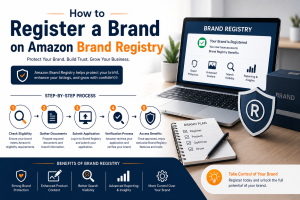
Building a brand on Amazon takes more than just listing products and waiting for sales. With millions of sellers competing for customer attention protecting your brand identity is crucial. Amazon Brand Registry is a program that helps brand owners secure their intellectual property, control product listings and improve their presence on the marketplace. For businesses aiming to grow on Amazon understanding how to register a brand is a step toward long-term success. This guide explains the process and highlights why Brand Registry’s a valuable investment for brand owners. What Is Amazon Brand Registry Amazon Brand Registry is a program that gives registered brand owners tools to protect their products and enhance their listings. Once enrolled sellers can use features like A Plus Content, brand analytics, storefront creation and stronger protection against counterfeit products. Brand Registry plays a role in effective Amazon brand management because it allows businesses to maintain accurate product information and safeguard their brand reputation. Benefits of Amazon Brand Registry Before starting the registration process it is essential to understand the benefits of enrollment. Enhanced Brand Protection: Amazon provides tools to identify and remove products, unauthorized sellers and listing violations. This protection helps maintain customer trust and preserves brand value. Greater Control Over Listings: Brand owners can manage product titles, descriptions, images and other listing details effectively. This ensures branding across all products. Access to Brand Analytics: Registered brands gain access to customer insights and search behavior data. These analytics can support decision-making and improved marketing strategies. Marketing Opportunities: Brand Registry unlocks premium features like Amazon Stores and A Plus Content allowing sellers to create engaging shopping experiences that increase conversions. Requirements for Amazon Brand Registry Before applying ensure your business meets Amazons eligibility requirements. Trademark: You must have an active registered trademark or a pending trademark application in the country where you want to enroll your brand. Trademark Displayed on Products: The brand name must appear clearly on your products or packaging. Amazon may request evidence during the verification process. Amazon. Vendor Account: Applicants must have an Amazon seller or vendor account associated with the brand. Supporting Documentation: Keep trademark registration details, product images, packaging photos and business information ready for submission. Step-by-Step Process to Register Your Brand Step 1:. Access Your Amazon Account Log into your Amazon Seller Central or Vendor Central account. Ensure your account information is accurate and up to date. Step 2: Gather Trademark Information Prepare all trademark documentation, including the registration number, trademark owner name and any related records. Having this information available will speed up the application process. Step 3: Submit the Brand Registry Application Complete the application by entering your brand details, trademark information, product categories and distribution information. Accuracy is crucial because incorrect information may delay approval. Step 4: Verify Ownership Amazon will send a verification code to the contact associated with the trademark registration. Once received enter the code within the Brand Registry portal to confirm ownership. Step 5: Wait for Approval After verification Amazon reviews the application. Approval times vary,. Many applications are processed within a few days to a few weeks. Step 6: Access Brand Registry Tools Once approved you can begin using the features, including brand protection tools, analytics and enhanced content capabilities. Common Mistakes to Avoid Many sellers experience delays due to errors. Here are some common mistakes to watch for: * Incorrect Trademark Information: Ensure all trademark details match records exactly. * Missing Product Branding: Products and packaging should clearly display the registered brand name. * Incomplete Documentation: Providing inaccurate documents can slow the review process. * Delaying Brand Protection: Some sellers wait long to enroll which can increase the risk of counterfeit products and listing hijackers. How Brand Registry Supports Business Growth Brand Registry is not a protection tool but also a growth tool. With access to analytics, enhanced content and advertising opportunities businesses can improve visibility and customer engagement. A strong Amazon brand management strategy often includes Brand Registry because it creates a foundation for long-term marketplace success. It allows sellers to focus on scaling their business while maintaining control over how their brand’s represented. As competition on Amazon continues to increase businesses that actively invest in Amazon brand management gain an advantage through branding, better customer trust and improved operational efficiency. Why Choose Professional Support Many businesses choose assistance to navigate the Brand Registry process efficiently. Experienced e-commerce specialists can help ensure documentation is correct applications are completed properly. Brand protection strategies are implemented effectively. Professional guidance can also strengthen Amazon brand management efforts by integrating Brand Registry benefits into a growth strategy that includes listing optimization, advertising management and brand development. Conclusion Registering your brand on Amazon Brand Registry is one of the important steps, for protecting and growing your business. The program provides tools that help safeguard intellectual property improve product listings and enhance customer trust. Amazon Brand Registry is essential. Brand Registry helps. You must register your brand.

Scroll to Top