BizisTech | No.1 Ecommerce Marketing Agency USA

#AmazonSEO

Blog

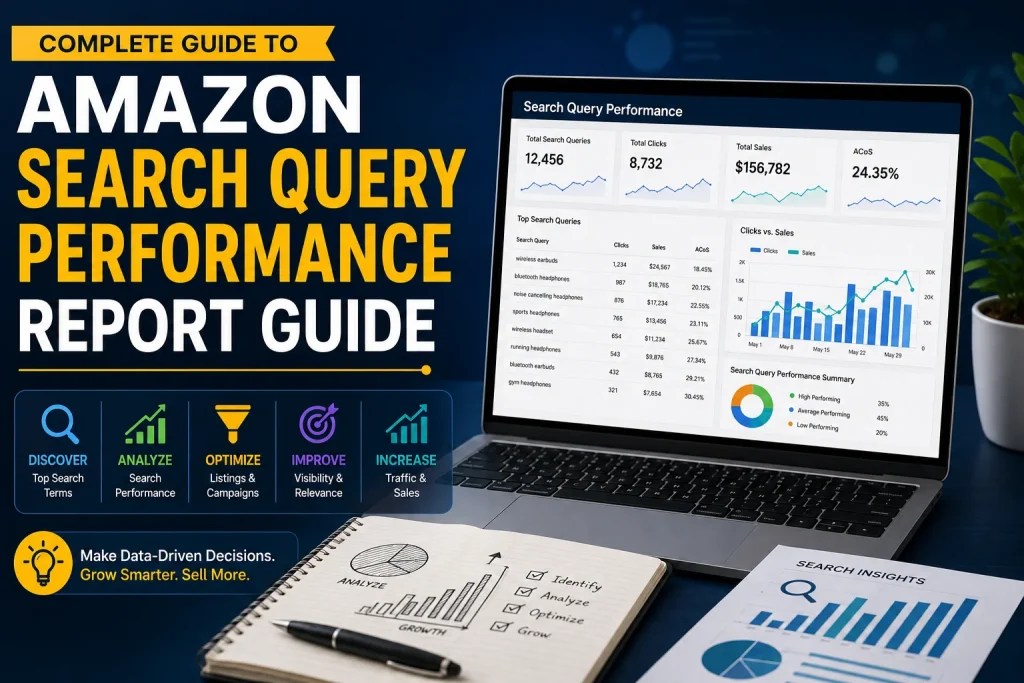
Amazon Search Query Performance Report Guide

Understanding how shoppers search for products is one of the most important parts of growing an Amazon business. Sellers often focus on sales revenue advertising costs and rankings but the real opportunity begins with understanding what customers search for and how they interact with products after seeing them. The Amazon Search Query Performance Report gives sellers valuable insight into the customer search journey. It helps identify which search queries generate visibility clicks cart activity and purchases. When analyzed correctly this information can support better keyword research listing optimization advertising decisions and overall business growth. What Is the Amazon Search Query Performance Report The Amazon Search Query Performance Report is an analytics report designed to help brands understand how their products perform for specific customer search queries. It provides information about different stages of the shopping journey so sellers can identify where their products are performing well and where improvement is needed. The report can help answer important questions. Which searches are bringing customers to your products. Where is your brand receiving strong visibility. Which searches generate clicks but fewer purchases. Which queries have potential for additional growth. Instead of relying only on general sales information sellers can use this data to understand customer behavior at the search level. Why the Search Query Performance Report Matters Search behavior can change quickly as customer preferences competition and product trends evolve. A keyword that performed strongly several months ago may not deliver the same results today. The Search Query Performance Report provides a more practical way to monitor these changes. It can reveal opportunities that may not be obvious from sales reports alone. For example a product may receive many impressions for a particular search but receive very few clicks. This can indicate that the product is visible but its title main image price or overall presentation may not be attractive enough. Another product may receive strong clicks but weak purchases. This can indicate that customers are interested in the product but something on the product detail page may be preventing conversion. Important Metrics to Understand The report contains several important measurements that help sellers evaluate search performance. Search query volume shows how frequently customers search for a particular query during the selected reporting period. High volume queries can represent large opportunities but they may also have stronger competition. Impressions show how frequently products appeared for shoppers searching for a particular query. This helps sellers understand visibility. Clicks show how often shoppers selected products after seeing them in search results. Comparing clicks with impressions can help reveal whether a product is attracting attention. Cart additions show how frequently shoppers added products to their carts after interacting with the search results. This provides a useful indication of purchase intent. Purchases show the number of purchases associated with the search query. Purchase information is especially valuable because it helps sellers understand which searches are contributing to actual customer conversions. Brand share information can also help sellers understand their position within the overall search funnel and identify areas where competitors may be capturing more customer activity. How to Read the Report Properly Reading the report is not simply about finding the biggest numbers. The most valuable insights often come from comparing different stages of the customer journey. Start by identifying high volume search queries that are relevant to your products. Then compare your impressions clicks cart additions and purchases for those queries. If impressions are strong but clicks are weak the listing may need better search presentation. If clicks are strong but purchases are weak the product detail page may need improvement. If cart additions are strong but purchases remain low sellers should investigate factors such as price customer confidence delivery expectations product reviews and competitor offers. If purchases are strong but visibility is relatively low there may be an opportunity to increase exposure through better keyword targeting advertising and listing optimization. Using Search Query Data for Keyword Research One of the strongest benefits of the report is its ability to support keyword research. Instead of depending entirely on third party keyword tools sellers can use actual search behavior to identify relevant customer queries. High performing queries can be reviewed for use in product titles bullet points descriptions and other relevant areas of the listing. However keywords should always be added naturally. Repeating the same phrase excessively can make a listing difficult to read and may reduce the quality of the customer experience. The goal should be to understand customer language and create useful content around real search intent. Using the Report to Improve Product Listings Search performance data can reveal weaknesses in a product listing. Suppose a product receives substantial impressions for an important query but receives very few clicks. The seller should review the main image title pricing and overall search presentation. If the product receives clicks but customers do not continue toward purchase the issue may exist deeper within the listing. Product images product benefits descriptions reviews pricing and customer expectations should all be reviewed. This is where professional ecommerce experience can be valuable. Even businesses that work primarily with other ecommerce platforms may benefit from understanding the same customer journey principles. A Shopify store management agency for example may already use similar conversion focused analytics when improving product pages and customer journeys. Connecting Search Performance With Advertising The Search Query Performance Report can also support advertising decisions. Sellers can compare important customer searches with their existing advertising strategy. Queries that generate strong customer engagement may deserve additional advertising attention. At the same time weak performing queries can be reviewed carefully before additional budget is allocated. The report should not replace advertising reports. Instead it can complement them by providing broader search behavior information while advertising reports provide more campaign focused performance data. Finding Growth Opportunities A useful approach is to divide search queries into three groups. The first group contains searches where the brand is already performing strongly. These queries should be protected and monitored because competitors may attempt to gain

Blog

How to Protect Your Brand on Amazon Marketplace

Building a business on Amazon takes a lot of time and effort.. Growing your brand is just the beginning. You also need to protect it from products, unauthorized sellers and policy violations. Without the protection strategies even a well-established business can lose customer trust, rankings and revenue. As Amazon gets more competitive sellers need to focus on brand security alongside sales growth. A proactive approach helps maintain your reputation improve customer confidence and create long-term success. Why Brand Protection Matters Your brand represents your reputation, product quality and customer experience. When fake products or unauthorized sellers misuse your brand identity customers may receive poor-quality products. Leave negative reviews that affect your business. Protecting your brand helps you: * Maintain customer trust * Prevent counterfeit products * Reduce listing hijacking * Protect property * Improve customer satisfaction * Increase long-term sales Brand protection is not just for companies. Every seller should implement strategies that safeguard their products and reputation. Register Your Brand One of the steps in protecting your business is registering your trademark and enrolling your brand with Amazons official brand protection programs. A registered brand provides control over product listings allows you to report violations more efficiently and offers access to advanced tools for protecting intellectual property. Brand registration also helps Amazon verify that you are the owner of your products. Create High-Quality Product Listings Professional product listings make it easier for customers to recognize products. Every listing should include: * product titles * Detailed descriptions * High-quality images * keywords * Clear product specifications * brand messaging Professional listings also discourage counterfeit sellers because your products appear more trustworthy and complete. Many successful sellers invest in an Amazon Listing Creation service to build optimized listings that accurately represent their products while improving visibility and conversions. Monitor Your Listings Regularly Brand protection requires monitoring. Regularly check your listings for: * changes * Incorrect images * Modified descriptions * Unexpected pricing changes * New unauthorized sellers * Customer complaints The earlier you identify a problem the easier it becomes to resolve it before it affects your sales. Frequent monitoring also helps you maintain branding across your entire product catalog. Protect Your Intellectual Property Intellectual property includes trademarks, copyrights, product designs, logos and original content. Make sure your business legally owns: * Brand name * Company logo * Packaging design * Product photography * Marketing content * Instruction manuals Having ownership makes it much easier to report violations and remove infringing listings. Watch for Counterfeit Products Counterfeit products can significantly damage your reputation. Warning signs include: * customer reviews * Unexpected price reductions * Customer complaints about quality * Different packaging * Low seller ratings If counterfeit products appear under your listing report them immediately. Collect supporting evidence. Fast action helps protect both your customers and your brand reputation. Prevent Listing Hijacking Listing hijacking occurs when unauthorized sellers begin selling products under your listing. To reduce this risk: * Use branded packaging * Include product identifiers * Monitor seller activity * Keep inventory available * Maintain pricing * Respond quickly to suspicious activity Professional listing optimization also helps establish stronger product ownership. An experienced Amazon Listing Creation servics can create listings that strengthen your product identity and reduce opportunities for listing manipulation. Deliver Excellent Customer Service Customer satisfaction plays a role in brand protection. Happy customers are more likely to: * Leave reviews * Report counterfeit products * Recommend your brand * Become repeat buyers Providing responses, quality products and reliable support builds long-term customer loyalty while strengthening your marketplace reputation. Encourage Genuine Reviews Authentic customer reviews increase buyer confidence. Make it easier to distinguish genuine products from counterfeit alternatives. Never attempt to manipulate reviews or violate Amazons review policies. Instead focus on: * Delivering quality products * Providing product information * Offering customer support * Resolving issues quickly Organic reviews create lasting credibility and improve overall brand trust. Maintain Consistent Branding Strong branding helps customers instantly recognize your products. Consistency should include: * Brand colors * Logo placement * Packaging * Product images * Product descriptions * Brand voice Professional branding creates a shopping experience and makes counterfeit products easier for customers to identify. Many businesses rely on an Amazon Listing Creation service to ensure every listing follows branding standards across the entire catalog. Stay Updated With Amazon Policies Amazon regularly updates its policies and seller guidelines. Remaining informed helps you: * Avoid account violations * Protect your listings * Maintain compliance * Reduce suspension risks * Respond quickly to marketplace changes Knowledge of policies helps prevent unnecessary disruptions to your business. Monitor Competitors Keeping an eye on competitors helps identify risks and opportunities. Review competitor listings to understand: * Pricing strategies * Product presentation * Customer feedback * Brand positioning * Market trends analysis allows you to improve your listings while maintaining a strong brand presence. Build Customer Loyalty Brand protection extends beyond preventing products. Loyal customers naturally defend brands they trust. Focus on creating lasting relationships through: * product quality * Shipping * Responsive communication * Helpful product information * Customer experience Loyal buyers often become repeat customers and recommend your products to others. Work With Experienced Amazon Professionals Managing an Amazon business involves more than listing products. Professional support can help with: * Listing optimization * Brand strategy * Product visibility * Compliance management * Marketplace growth * Performance monitoring Choosing a Amazon Listing Creation service ensures your listings are professionally structured, optimized for search visibility and aligned with Amazons best practices while supporting your long-term brand protection strategy. Conclusion Protecting your brand on Amazon is a process that requires attention, consistency and strategic planning. From registering your brand and monitoring listings to preventing products and maintaining excellent customer service every step contributes to building a stronger business. Successful Amazon sellers understand that protecting their reputation is just as important as increasing sales. By investing in listings maintaining consistent branding monitoring marketplace activity and staying compliant with Amazon policies you create a secure foundation for sustainable

Blog

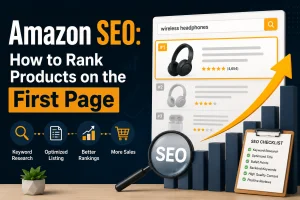
Amazon SEO: How to Rank Products on the First Page

Selling on Amazon is super competitive. There are millions of products listed making it hard for sellers to stand out. If your products aren’t on the page of search results customers might never find them. That’s where Amazon SEO comes in. Amazon SEO is about making your product listings better to improve visibility and rankings in Amazon search results. Higher rankings mean traffic, better conversion rates and more sales. Understanding how Amazons algorithm works can help sellers position their products ahead of competitors and achieve long-term success. Understanding Amazon Search Rankings Amazons search algorithm shows customers the relevant and profitable products. The platform wants to provide shoppers with products they’re likely to buy. Several factors influence rankings, including: * Keyword relevance * Sales performance * Customer reviews * Pricing * Inventory levels * Conversion rates Sellers who optimize these factors have a chance of securing first-page positions. Conduct Thorough Keyword Research Keywords are the foundation of Amazon SEO. Before creating or optimizing a listing identify the search terms customers use when looking for products. Focus on finding high-volume keywords that’re relevant to your product. Include keywords in titles and secondary keywords throughout the listing. Long-tail keywords can also help attract buyers. Effective keyword research ensures that your products appear in searches and attract qualified traffic. Create Optimized Product Titles The product title is one of the important ranking elements on Amazon. A optimized title should clearly describe the product while naturally incorporating important keywords. Include details such as brand name, product type, size, color, quantity or key features. Avoid keyword stuffing because it can make titles difficult to read. A clear and informative title improves both search visibility and click-through rates. Improve Product Bullet Points Bullet points highlight the benefits and features of your product. Explain how the product solves customer problems or improves their lives. Focus on the important selling points and include relevant keywords. Written bullet points can increase buyer confidence and encourage more conversions. Write Compelling Product Descriptions A strong product description helps customers understand the value of your product. Use engaging language that addresses customer needs and concerns. Explain product benefits, usage scenarios and unique selling propositions. Detailed descriptions improve the shopping experience. Can positively influence conversion rates. Use High-Quality Product Images Images play a role in customer purchasing decisions. Professional photos help showcase the product and build trust with buyers. Include images displaying different angles, features, dimensions and lifestyle applications. High-quality visuals often result in conversion rates. Generate Customer Reviews Customer reviews are among the most influential factors in Amazon SEO. Products with reviews often achieve better rankings and higher sales. Provide customer service deliver quality products and encourage satisfied customers to leave feedback. Consistently earning reviews helps strengthen your products credibility and visibility. Boost Sales Velocity Amazon rewards products that generate sales. The sales a product receives the higher its chances of ranking well in search results. Many successful sellers combine SEO efforts with Amazon PPC Management strategies to increase product visibility and generate sales. Maintain Healthy Inventory Levels Running out of stock can negatively impact rankings. Amazon prefers products that’re consistently available for purchase. Monitor inventory carefully. Forecast demand to avoid stock shortages. Maintaining inventory ensures uninterrupted sales. Optimize Conversion Rates Traffic alone is not enough to achieve first-page rankings. Amazon also evaluates how well listings convert visitors into buyers. Enhance every aspect of your listing including titles, images, descriptions, pricing and reviews. Improved conversion rates signal to Amazon that your product meets customer expectations. Leverage Advertising for Organic Growth Advertising can support SEO efforts by increasing product visibility and driving traffic. Many sellers use Amazon PPC Management campaigns to identify keywords. As products gain sales and reviews they often experience organic rankings. Combining SEO with advertising creates a strategy, for sustainable growth. Monitor Performance and Adjust Strategies Amazon SEO is not a one-time task. Market conditions, competition and customer behavior constantly change. Regularly analyze listing performance, keyword rankings, conversion rates and advertising data. Sellers who continuously optimize their listings and adapt to market trends are more likely to maintain first-page positions over time. How Professional Support Can Help Managing every aspect of Amazon SEO requires expertise, time and ongoing attention. Professional ecommerce specialists can assist with keyword research listing optimization, advertising strategies and performance monitoring. Businesses that integrate SEO techniques with Amazon PPC Management often achieve faster growth and stronger marketplace visibility. By focusing on keyword optimization, high-quality content, compelling visuals, customer reviews and Amazon PPC Management sellers can improve visibility. Drive more revenue.

Blog

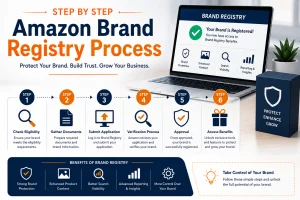
Step by Step Amazon Brand Registry Process

Building a brand on Amazon requires more than just listing products and waiting for sales to happen. As competition grows protecting your brand becomes an important step for long-term success. Amazon Brand Registry is a program that helps brand owners secure their intellectual property improve product listings and get access to advanced marketing features. Many sellers know about the benefits. Are unsure about the exact registration process. This guide explains the step by step Amazon Brand Registry process. How it can make your business stronger while creating more opportunities for growth. What Is Amazon Brand Registry Amazon Brand Registry is a program that helps brand owners protect their trademarks and control their product listings. Once you’re enrolled you get access to tools that improve brand visibility and help prevent sellers from misusing your brand identity. The program gives you control over product content better reporting features and more advertising opportunities that can improve your overall marketplace performance. Why Brand Registry Matters Brand Registry offers important advantages for Amazon sellers. Better Brand Protection: It helps protect your products from sellers and listing hijackers. This ensures customers get products while keeping your brand reputation intact. Enhanced Content Options: Registered brands can create product pages with rich images, detailed descriptions and enhanced content that improves customer engagement. Greater Listing Control: Brand owners have authority over product titles, descriptions, images and other listing elements. Advanced Marketing Tools: Enrollment unlocks promotional features that can help increase visibility and sales. Step 1 Choose a Unique Brand Name Before applying for Brand Registry you need a brand name. The name should be original and capable of receiving trademark protection. Take time to research the marketplace and ensure your chosen brand name isn’t already being used by another company. A strong and unique brand identity creates a foundation for future growth. Many sellers also use an Amazon Product Hunting service during this stage to identify niches and products that align with their brand strategy. Step 2 Obtain a Registered Trademark A registered trademark is one of the requirements for Amazon Brand Registry. Your trademark should match the brand name displayed on your products and packaging. Amazon accepts trademarks issued by approved trademark offices in countries. The trademark serves as proof that you own the brand and helps Amazon verify your application. Step 3 Prepare Your Brand Assets Before beginning the registration process gather all materials. Important assets include: * Trademark registration information * Brand logo * Product images showing the brand name * Packaging images displaying the brand * Business contact information Having these materials ready will make the application process faster and smoother. Step 4 Create an Amazon Brand Registry Account Visit the Amazon Brand Registry portal and sign in using your Amazon account. If you already have a seller account you can use the credentials. Make sure the account information is accurate and up to date before proceeding with the application. Step 5 Submit Your Brand Information After signing in enter the required details about your brand. Amazon will ask for: * Brand name * Trademark number * Trademark office * Product categories * Countries where products are manufactured and distributed Accuracy is extremely important during this stage. Any mismatch between trademark records and application details may delay approval. Step 6 Upload Product and Packaging Images Amazon requires proof that your brand is actively being used on products. Upload images showing: * Brand name on products * Brand logo on packaging * Product labels * Product inserts if available These images help Amazon verify ownership and confirm that the brand exists in the marketplace. Many businesses combine this process with an Amazon Product Hunting service to ensure they are launching products with demand and branding potential. Step 7 Complete Amazon Verification Once your application is submitted Amazon will begin the verification process. A verification code is typically sent to the trademark owner listed in trademark records. You must obtain this code. Submit it through the Brand Registry portal. This step confirms that you are authorized to manage the brand. Step 8 Wait for Approval After verification is completed Amazon reviews the application. Approval times may vary depending on the trademark and application details. Most applications are reviewed within a days to a few weeks. During this period monitor your email regularly in case Amazon requests information. Step 9 Access Brand Registry Features After approval your brand gains access to tools and resources. These may include: * Product content * Brand analytics * Brand advertising * Store creation tools * Counterfeit protection features * Search and reporting tools These resources help strengthen brand visibility and improve marketplace performance. Step 10 Continue Growing Your Brand Brand Registry is the beginning of your Amazon growth journey. Successful brands continually optimize listings monitor competitors improve advertising campaigns and expand product lines. Many businesses rely on an Amazon Product Hunting service to discover opportunities and maintain a competitive advantage in their category. Regular analysis of customer behavior and market trends can help identify products that support long-term growth. Common Mistakes to Avoid Many sellers experience delays because of errors. Common mistakes include: * Using a brand name that does not match the trademark * Uploading product images * Providing business information * Submitting trademark details * Failing to complete verification Careful preparation can significantly increase the likelihood of a successful application. Final Thoughts The Amazon Brand Registry process is one of the valuable investments a seller can make. It provides protection, control and access to tools that support sustainable business growth. By following each step sellers can secure their brand identity and create a stronger presence, in the marketplace.

Scroll to Top