BizisTech | No.1 Ecommerce Marketing Agency USA

#AmazonSellers

Blog

How Can Amazon Sellers Build Trust With First-Time Customers?

Winning a first time customer on Amazon is about more than offering a product at a competitive price. Customers often have similar products in front of them and they need a reason to believe that one seller is more reliable than another. Trust can become the deciding factor when customers are unsure about product quality, delivery, customer service or whether the product will actually meet their expectations. For Amazon sellers building that confidence requires an experience from the first impression through the purchase and beyond. Create a Professional Product Listing Your product listing is often the meaningful interaction a customer has with your brand. A clear and professional listing can immediately make your business appear reliable. Use product information, easy to understand descriptions, high quality images and helpful product details. Avoid claims or information that could create unrealistic expectations. A strong listing should answer the questions customersre likely to ask before purchasing. When shoppers can quickly understand what the product does who it is for and what they will receive they are more comfortable making a purchase. Use High Quality Product Images Customers cannot physically examine an Amazon product before buying it. Your images therefore need to provide the confidence they would normally get from seeing the product in a store. Show the product from angles and include images that demonstrate its size, features, materials and practical use. Lifestyle images can also help customers understand how the product fits into situations. The goal is not simply to make the product look attractive. The goal is to make the customer feel informed. Let Authentic Reviews Build Social Proof Reviews are one of the trust signals for first time buyers. A shopper who has never purchased from your brand may look at customer experiences before deciding whether to take the risk. Sellers should focus on delivering a product and customer experience that naturally encourages genuine feedback. Avoid practices that attempt to manipulate reviews. Pay attention to recurring comments well. Reviews can reveal what customers appreciate and where improvements may be necessary. Responding appropriately to customer concerns can also show buyers that your brand takes its responsibilities seriously. Make Customer Service Part of Your Brand Trust does not end after a customer clicks the purchase button. Problems can happen with any online order but the way a seller handles those problems can determine whether a customer loses confidence or becomes loyal. Respond to questions and concerns promptly and professionally. Make returns and refunds as straightforward as possible within the policies. Helpful customer service tells shoppers that there is a business behind the product and that their experience matters. Be Transparent About the Product One of the ways to build trust is to be honest. Product descriptions, images, specifications and claims should accurately represent what customers will receive. Do not hide limitations or use misleading language simply to increase conversions. A customer who receives exactly what was promised is more likely to trust the brand again. Build a Consistent Brand Experience Customers are more likely to trust sellers who appear organized and consistent. Your product images, descriptions, brand messaging, packaging and customer communication should feel like parts of the business. A recognizable brand identity can make a new seller appear established and memorable. Brand focused strategies that combine content, customer service, review management and protection can help create a more dependable presence on Amazon. Use Advertising to Reach the Right Customers Advertising can introduce your products to shoppers who may never discover them organically. However successful advertising should be based on relevance than simply spending more money. Amazon ads management services can help sellers organize campaigns identify search terms control unnecessary spending and monitor advertising performance. When advertising brings the audience to a product page that delivers a trustworthy experience it can support both sales and long term brand growth. Amazon ads management services should therefore work alongside listing optimization, customer service and brand development than operating as an isolated marketing activity. Keep Products Available A customer may be ready to purchase but lose confidence if the product repeatedly becomes unavailable. Consistent inventory management helps maintain a shopping experience. Sellers should monitor demand, inventory levels and sales trends so they can reduce the risk of stockouts. Maintaining availability also helps customers feel that they can depend on the brand when they need the product. Protect Your Brand Identity Customers can become confused when they encounter listings, unauthorized sellers or questionable versions of a product. Protecting your brand. Maintaining accurate product information can help create a more dependable customer experience. Strong brand protection also allows sellers to maintain control over how their products are represented in the marketplace. Deliver What You Promise Perhaps the important trust building strategy is simple consistency. If your listing promises a product customers should receive that product. If you describe features those features should be present. If you provide a customer experience your team should work to deliver it. Trust grows when expectations and reality match repeatedly. Turn First Time Buyers Into Returning Customers The ultimate goal is not just to convince someone to make one purchase. It is to create an experience that makes them comfortable buying, from your brand again. Strong listings, authentic reviews, responsive customer service, accurate product information, reliable inventory and thoughtful advertising can work together to create that experience. Customer service and review management are particularly important because they help sellers understand customer concerns and strengthen relationships after the sale. Final Thoughts Building trust with time Amazon customers does not happen through one strategy. It comes from small signals that reassure shoppers throughout their buying journey. A professional listing creates a first impression. Authentic reviews provide proof. Accurate information reduces uncertainty. Reliable customer service shows that the seller cares. Consistent branding creates familiarity while smart advertising helps bring the shoppers to the product.
Blog

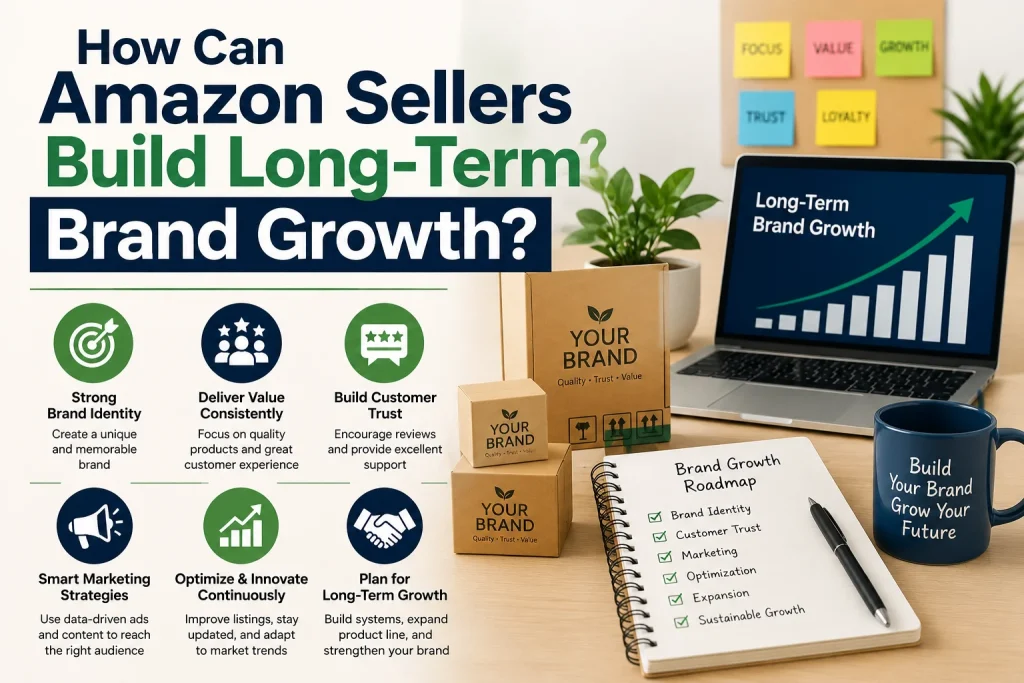
How Can Amazon Sellers Build Long-Term Brand Growth?

Building a successful Amazon business is not only about generating sales today. Long term growth comes from creating a recognizable brand that customers trust, improving the customer experience, and making smart decisions based on market data. Sellers who focus only on short term sales may struggle when competition increases, advertising costs rise, or customer expectations change. A strong brand strategy helps sellers create a business that can grow steadily over time while developing customer loyalty and a stronger position in the marketplace. Start With a Clear Brand Identity Every successful brand needs a clear identity. Sellers should understand what their brand represents, who their ideal customers are, and why customers should choose their products instead of competing options. A consistent brand identity should be reflected across product packaging, listings, images, product descriptions, and customer communication. When customers repeatedly see a familiar message and visual style, the brand becomes easier to recognize and remember. The goal should be to build a brand that customers associate with quality, reliability, and a specific solution to their needs. Protect Your Brand From the Beginning Brand protection becomes increasingly important as a business grows. Sellers should take ownership of their intellectual property and establish proper brand protection before investing heavily in marketing. An Amazon Brand Registry service can help eligible brand owners establish greater control over their brand presence and access useful brand protection features. Proper registration can also support a more organized approach to managing brand content and protecting product listings. For growing sellers, brand protection should not be treated as a one time task. It should remain part of the overall brand management strategy as new products and marketplaces are introduced. Focus on Product Quality Long term brand growth starts with the product itself. Strong advertising may bring customers to a listing, but product quality determines whether those customers become repeat buyers. Sellers should regularly review customer feedback, returns, complaints, and product reviews to identify areas for improvement. Small product improvements can make a significant difference when they are based on genuine customer needs. Instead of constantly searching for new products, successful brands can also improve existing products and create complementary products that serve the same customer base. Create Listings That Build Trust A product listing should do more than attract clicks. It should answer customer questions, explain the product clearly, and communicate why the product is worth buying. High quality images, informative descriptions, clear product benefits, and relevant search terms can help customers make confident purchasing decisions. Listings should also be reviewed regularly because customer search behavior and marketplace competition can change. Continuous optimization allows a brand to remain relevant instead of depending on an outdated listing strategy. Build Customer Loyalty Long term growth becomes easier when customers return to the same brand. Sellers should therefore think beyond the first purchase and focus on creating an experience that encourages customers to come back. Reliable product quality, accurate product information, responsive customer support, and professional brand presentation can all contribute to customer confidence. A loyal customer is valuable because repeat purchases can create more predictable revenue while reducing the need to depend entirely on acquiring new customers. Use Data to Make Better Decisions Growth should be guided by data rather than assumptions. Sellers should regularly examine sales performance, advertising results, customer behavior, inventory levels, conversion rates, and product performance. This information can reveal which products are growing, which products need improvement, and where marketing budgets are being wasted. Market research should also be continuous. Understanding changing customer preferences and competitor activity can help sellers identify new opportunities before the marketplace becomes overcrowded. Develop a Sustainable Advertising Strategy Advertising is important for increasing product visibility, but long term brands should avoid depending entirely on paid traffic. A sustainable strategy combines advertising with strong organic visibility, optimized listings, customer loyalty, and a recognizable brand identity. Advertising campaigns should be reviewed regularly to identify profitable opportunities and reduce unnecessary spending. The objective should not simply be to spend more but to generate better results from every advertising investment. Expand Your Product Portfolio Carefully Once a brand has established a strong foundation, expanding the product portfolio can create additional growth opportunities. However, expansion should be based on customer demand and brand relevance rather than adding random products. New products should complement the existing brand and provide useful solutions for the same or related audience. A carefully planned product portfolio can increase customer lifetime value and create multiple revenue opportunities within one brand. Maintain Strong Inventory Management Inventory problems can quickly damage a growing brand. Running out of stock can reduce sales momentum, while excessive inventory can increase storage expenses and tie up valuable capital. Sellers should use historical sales data, seasonal trends, product performance, and expected demand to plan inventory more effectively. Maintaining the right inventory balance helps brands remain available to customers while protecting profitability. Monitor Brand Reputation A growing brand should continuously monitor how customers perceive it. Reviews, feedback, ratings, customer questions, and complaints can provide valuable information about the overall customer experience. Instead of viewing negative feedback only as a problem, sellers can use it as an opportunity to identify weaknesses and improve their products or services. Consistent attention to reputation can help strengthen customer confidence and support sustainable growth. Keep Improving With Market Changes The Amazon marketplace continues to evolve, so a strategy that works today may not deliver the same results in the future. Customer behavior, competition, search trends, advertising costs, and marketplace expectations can all change. Successful sellers regularly review their strategies and make improvements instead of waiting for performance to decline. An Amazon Brand Registry service can be one part of this broader strategy by supporting brand protection and helping sellers make better use of available brand management capabilities. Think Beyond Short Term Sales The most valuable Amazon brands are built with a long term mindset. Sellers should focus on creating products customers want, delivering reliable experiences, protecting their brand identity, and continuously improving their marketplace presence. An Amazon

Blog

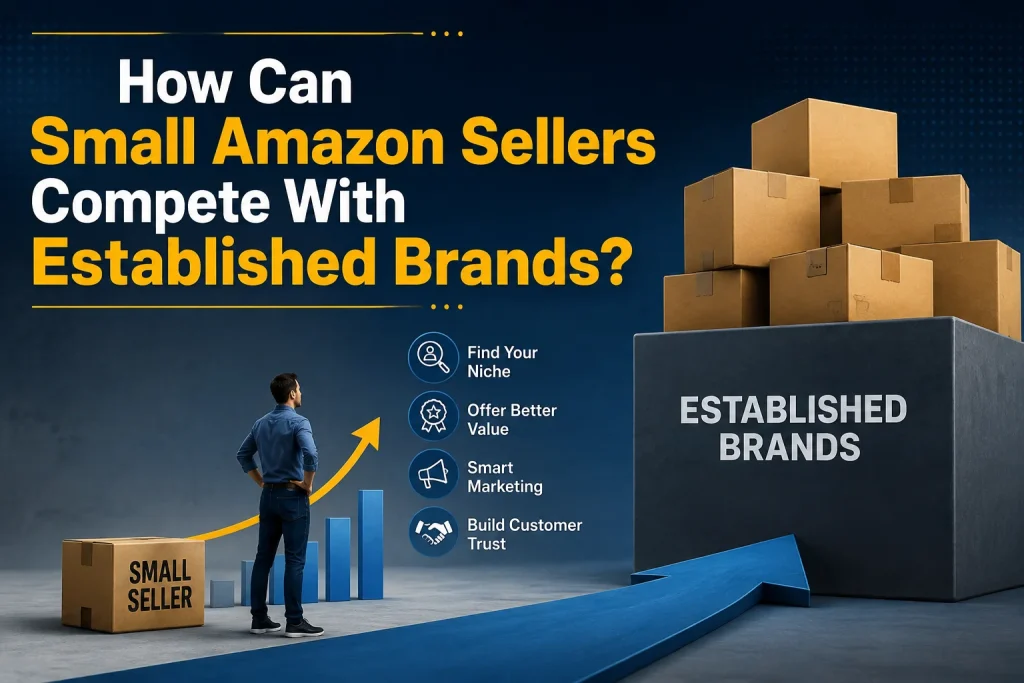
How Can Small Amazon Sellers Compete With Established Brands?

It can feel really hard for small sellers to go up against brands on Amazon. The big companies usually have way money for ads everyone knows their names they sell tons of different things and they have years of reviews.. I have learned that being big is not the only way to win. Small sellers can win by being more focused being able to change and really caring about the people who buy from them. Of trying to beat the big brands at everything small businesses should find small gaps where they can give customers a better experience and build a group of fans who keep coming back. Find a Specific Market Opportunity One of the ways for a small seller to win is to focus on one specific group of people. Big brands try to sell to everyone. A small seller can focus on one specific thing a customer needs. I suggest you look at what customers like what competitors are bad at and what people complain about in reviews. Look for problems that the big products are not fixing. If you make a product that solves a problem people will notice you even if you are not a famous brand. Build a Strong Product Listing Your product listing is how you get people to stop and look. You need titles, good descriptions and great photos. Do not just list the features of the product. Instead tell the customer how those features actually help them. Think about the questions shoppers are asking and make it very easy for them to buy. A good listing also helps you show up more in searches and makes your ads work better. Small sellers should check their listings all the time. Make them better based on what customers are actually doing. Use Advertising With a Clear Strategy sellers do not need to spend more money than the big brands to do well. You just need to spend your money wisely. Good amazon ppc management can help you find the words people search for keep your costs low and make sure you only spend money on products that actually sell. Do not try to advertise every product the same way. Put your money into the products that make you the most profit. Watch your ads all the time. If you see words that cost money but do not bring in sales stop spending money on them. Doing this helps a small seller stay visible without wasting money. Compete Through Customer Experience Big brands might be famous but small sellers can be much more personal. You should really listen to what customers say in reviews and messages. Use what you learn to make your products better. If people complain about the thing fix it. Maybe you need packaging, clearer instructions or better communication. When customers feel like you actually care about them they will trust you. Come back to buy again. Focus on Reviews and Brand Trust Good reviews matter a lot when people are choosing between two items. Small sellers should focus on making products instead of trying to fake reviews. Make sure your product looks like the pictures and that the packaging is strong. If you do a job happy customers will naturally leave good feedback. Trust takes time to build. Every single order you get right is a chance to make your reputation stronger. Study Established Competitors You should not just see brands as enemies. You can actually learn a lot from them. Look at their listings their prices, their photos and their reviews. Pay attention to the bad reviews. Those bad reviews show you where the big brands are failing. The goal is not to copy them. The goal is to use what you learn to make something that’s more useful or easier to use than what they offer. Manage Your Budget Carefully You have to be very careful with your money when you’re a small seller. Only spend money on things that you know will bring in sales. Using amazon ppc management lets you watch your spending check how your ads are doing and change your bids. When you look at your ad data and your sales together you will know where to put your money. Do not spend money just because you think the big brands are spending more. You want to grow in a way that actually makes you money. Create a Brand A small seller should try to be more than just someone selling random items. You want to build a brand. Use the style for your photos your packaging and how you talk to customers. Give people a reason to remember your name. Having a brand helps you stand out from all the cheap generic items, on Amazon and helps you keep customers for a long time. Keep Improving Your Strategy Amazon changes all the time so what works today might not work month. Small sellers should always be looking at their sales their ads and what their competitors are doing. You should treat amazon ppc management as something you do every day not something you set up once. You need to test ideas and change your budget as customers change their habits. The same goes for your products and listings. If you never stop trying to get better you will have a better chance of winning. Final Thoughts Small Amazon sellers do not need a budget or a million products to win. You just need to find your place make products have great listings manage your ads carefully and really take care of your customers.

Blog

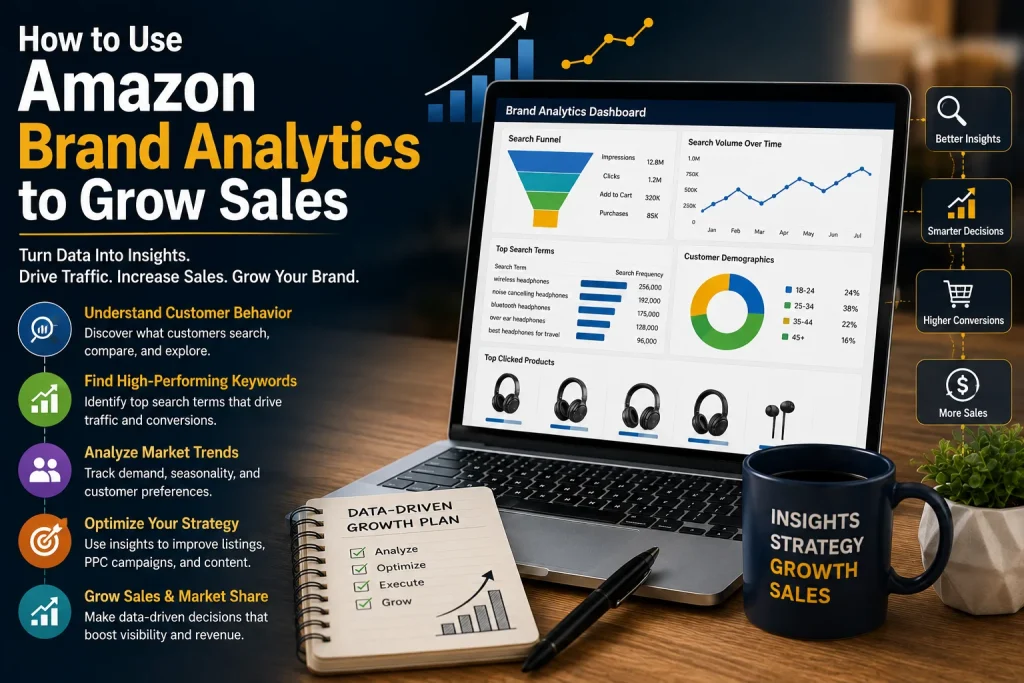
How to Use Amazon Brand Analytics to Grow Sales

Running a successful Amazon business requires more than great products. Sellers who rely on data instead of guesswork often achieve stronger results and build long term growth. Amazon Brand Analytics is one of the most valuable tools available for understanding customer behavior, improving product visibility, and increasing conversions. When combined with a professional brand registry amazon service, businesses can unlock deeper insights that lead to smarter decisions and higher sales. At Bizistech, sellers receive expert guidance that helps them turn valuable data into profitable strategies while building a stronger brand presence. What Is Amazon Brand Analytics Amazon Brand Analytics is a reporting platform available to eligible brand owners. It provides detailed information about customer search behavior, product performance, buying trends, and repeat purchases. These insights help sellers understand what customers want and how they interact with products before making a purchase. Access to Brand Analytics is available to brands enrolled in Amazon Brand Registry. Instead of making decisions based on assumptions, sellers can use real customer data to improve every part of their business. Why Brand Analytics Matters Many sellers focus only on advertising while ignoring valuable customer insights. Brand Analytics allows businesses to understand why customers click certain products, which search terms drive sales, and how buying habits change over time. These reports help sellers improve listings, increase visibility, optimize advertising campaigns, and identify new product opportunities before competitors do. Discover High Performing Keywords One of the biggest advantages of Brand Analytics is identifying the search terms customers actually use when shopping. By reviewing search trends you can Understand which keywords generate the most traffic Improve product titles and descriptions Create better backend search terms Increase organic visibility Support stronger advertising campaigns When these insights are used correctly, products become easier for customers to discover. Improve Product Listings Your product listing directly affects clicks and conversions. Brand Analytics highlights where customers engage with your products and where improvements are needed. You can improve Product titles Bullet points Descriptions Images Brand messaging Better listings help shoppers understand product benefits quickly and increase the chances of making a purchase. Understand Customer Buying Behavior Brand Analytics also provides valuable information about customer purchasing habits. You can learn Which products customers buy together How often they return to purchase again Which products receive the highest engagement Seasonal buying patterns This information allows sellers to create smarter promotions, bundle products, and improve inventory planning. Optimize Advertising Campaigns Advertising performs best when supported by accurate customer data. Brand Analytics helps sellers identify High converting search terms Keywords with growing demand Products receiving the most customer attention Customer interests across different categories Using these insights allows advertising budgets to focus on opportunities that deliver better returns instead of wasting money on low performing campaigns. Build Stronger Customer Loyalty Growing sales is important, but keeping existing customers is even more valuable. Brand Analytics helps businesses identify repeat purchasing trends and customer loyalty patterns. Sellers can use this information to improve customer experience, strengthen branding, and encourage repeat business through better product quality and consistent messaging. Long term customers usually spend more and recommend brands to others, making customer retention an essential part of growth. Stay Ahead of Competitors Successful Amazon sellers constantly monitor market trends. Brand Analytics allows businesses to Identify changing customer preferences Track popular search behavior Discover emerging product opportunities Adjust marketing strategies quickly These insights make it easier to respond to market changes before competitors gain an advantage. The Value of Professional Support Although Brand Analytics provides powerful information, interpreting the reports correctly requires experience. Many sellers overlook important opportunities because they do not fully understand the available data. Working with a trusted brand registry amazon service ensures that every report is analyzed effectively. Experts can identify profitable opportunities, improve listings, optimize advertising, and create strategies that produce measurable business growth. Bizistech helps businesses transform complex analytics into practical actions that improve visibility, increase conversions, and maximize return on investment. With a reliable brand registry amazon service, sellers gain the confidence to make informed decisions while building a stronger and more competitive brand. Common Mistakes Sellers Should Avoid Many businesses fail to achieve the full value of Brand Analytics because they Ignore customer search trends Use outdated keywords Skip regular performance reviews Focus only on paid advertising Fail to improve product listings Avoiding these mistakes allows businesses to gain greater value from their data and maintain consistent sales growth. Conclusion Amazon Brand Analytics is one of the most powerful resources available for sellers who want to make smarter business decisions. From discovering valuable keywords to understanding customer behavior and improving advertising performance, every report offers opportunities to grow.

Blog

Amazon Seller Success Stories: What Worked for Small Brands in 2026

Selling on Amazon has never been more competitive than it is in 2026. Thousands of new products enter the marketplace every day, making it difficult for small brands to gain visibility and earn customer trust. Despite these challenges, many growing businesses have managed to increase their sales by focusing on smart strategies instead of large advertising budgets. Their success proves that consistent planning, data driven decisions, and customer focused improvements can outperform short term tactics. Companies like Bizistech have built their reputation by helping ecommerce businesses develop practical strategies that improve long term growth through optimization, advertising, and marketplace management. Their focus on transparency, data driven planning, and continuous improvement reflects the approach many successful sellers have adopted in 2026. Why Small Brands Are Winning in 2026 Many shoppers now prefer unique products from smaller brands instead of purchasing only from large companies. Customers are looking for better quality, authentic stories, and products that solve real problems. Small businesses that understand their audience are finding more opportunities than ever before. Successful sellers have learned that winning on Amazon is no longer about simply listing a product. Every part of the customer journey matters from product research to listing optimization and after sale support. Success Story One Focusing on Product Quality First One small home organization brand struggled to generate sales after launching several products. Instead of spending heavily on advertising immediately, they improved their product based on customer feedback. The business invested in stronger packaging, clearer instructions, and better product durability. They also updated their listing images to clearly demonstrate product benefits. Within a few months, positive customer reviews increased significantly. Higher ratings improved customer confidence and organic visibility, resulting in stronger sales without relying only on paid campaigns. Success Story Two Investing in Better Advertising Another small beauty brand had excellent products but poor advertising performance. Their campaigns generated clicks without producing enough conversions. The company partnered with professionals offering amazon ppc management service to restructure their advertising campaigns. They removed wasteful keywords, increased bids on profitable search terms, and regularly analyzed campaign performance. Instead of increasing their advertising budget, they focused on improving return on investment. As conversions improved, sales increased steadily while advertising costs became more efficient. Success Story Three Improving Product Listings A fitness accessories seller realized customers were visiting their listings but not making purchases. The company completely redesigned its product pages by improving titles, descriptions, feature highlights, and high quality lifestyle images. Clear comparison charts helped shoppers understand product advantages. After improving listing quality and combining it with an effective amazon ppc management service, the business experienced better conversion rates and stronger organic rankings. The Importance of Data Driven Decisions One major difference between successful and unsuccessful sellers is how they use data. Winning brands monitor important performance indicators including Conversion rates Advertising performance Customer reviews Inventory levels Search keyword rankings Seasonal buying trends Instead of making decisions based on assumptions, successful sellers continuously adjust their strategies according to marketplace performance. Customer Experience Creates Long Term Growth The most successful brands understand that customer satisfaction directly impacts Amazon performance. They focus on Fast order fulfillment Accurate product descriptions Professional customer support High product quality Quick response to customer questions Positive customer experiences generate repeat purchases, stronger reviews, and better overall account health. Smart Inventory Management Matters Several small brands failed to maintain consistent growth because they regularly ran out of stock. Successful sellers forecast demand carefully and maintain healthy inventory levels throughout the year. Keeping products available protects search rankings and prevents lost sales opportunities. Inventory planning has become even more important during promotional events when customer demand increases rapidly. Building Brand Trust Customers buy from brands they trust. Growing businesses invest in Professional branding Consistent product quality Attractive packaging Honest product information Reliable customer service Trust encourages repeat customers while strengthening overall marketplace performance. Advertising Is More Effective with Strategy Many sellers believe increasing advertising budgets automatically produces better results. The reality is different. Successful brands optimize campaigns before increasing spending. A well managed amazon ppc management service focuses on targeting profitable keywords, reducing wasted clicks, improving conversion rates, and maximizing advertising efficiency. This strategic approach allows smaller brands to compete successfully against much larger competitors. Learning and Adapting Quickly Amazon changes frequently through algorithm updates, customer behavior shifts, and increasing competition. The most successful brands continue learning throughout the year. They test new listing improvements, monitor competitor activity, explore emerging trends, and refine advertising strategies whenever necessary. Businesses that remain flexible continue growing even as the marketplace evolves. How Bizistech Supports Amazon Sellers Many small businesses succeed faster when they work with experienced ecommerce professionals. Bizistech helps brands improve marketplace performance through strategic account management, listing optimization, advertising management, performance analysis, and long term business planning. Its emphasis on data driven strategies, transparency, and continuous growth aligns with the practices that successful Amazon sellers increasingly rely on. Final Thoughts The biggest Amazon seller success stories in 2026 are not built on luck. Small brands are achieving impressive growth by improving product quality, optimizing listings, delivering outstanding customer experiences, managing inventory effectively, and making smarter advertising decisions.

Blog

How Amazon Sellers Use Coupons During Product Launch

Launching a new product on Amazon is exciting but getting those first sales can be challenging. New products usually have no reviews, limited sales history, and little customer trust. This is where coupons can make a real difference. Smart sellers use launch coupons to attract shoppers, encourage first purchases, and create early momentum for their products. However, offering a discount is not enough. Successful sellers plan their coupon strategy carefully and use it as part of a wider launch approach. Why Coupons Matter During a Product Launch When shoppers see a new product, they often compare it with products that already have reviews and strong sales history. A coupon gives new sellers a way to make their offer more attractive. A discount can encourage customers to take a chance on a new product. Even a small saving may help a shopper choose a newly launched item instead of a similar product with a higher price. Coupons can also support early sales velocity. More sales may help a product collect valuable performance data and improve its overall position over time. Sellers can then study customer behavior and make better decisions for their next marketing steps. Sellers Use Coupons to Attract First Buyers The first customers are extremely important during a product launch. They help create the initial sales activity that a new product needs. Many Amazon sellers use coupons to reduce the hesitation that comes with buying a product without many reviews. Customers may be more willing to test a new product when they feel they are receiving a better deal. This strategy is especially useful in competitive product categories. Instead of trying to compete only on price, sellers use a temporary discount to create an attractive launch offer while they build their product presence. Choosing the Right Coupon Discount One of the biggest mistakes sellers make is offering a discount without considering their profit margin. A coupon should support growth without creating unnecessary losses. Before launching a coupon, sellers should calculate their product cost, Amazon fees, advertising expenses, and expected profit. The goal is to find a discount that looks valuable to customers but still fits the launch budget. Some sellers choose a moderate discount for a longer launch period. Others use a stronger offer for a shorter time to create quick interest. The right approach depends on the product category, competition, and launch goals. Coupons and Amazon Advertising Work Together Coupons are often more effective when combined with a focused advertising strategy. An advertisement can bring shoppers to the product page, while the coupon gives them an additional reason to consider buying. For example, a customer may notice a product through a search result or advertisement. When that shopper sees an available discount, the chance of clicking and purchasing may increase. This is why sellers should not treat coupons as a separate launch activity. Product pages, advertising, pricing, and promotions should work together. A well organized strategy can create a smoother customer journey from product discovery to purchase. How Sellers Create a Launch Coupon Strategy Successful sellers usually plan their coupon strategy before the product goes live. They first define the main goal of the promotion. Some sellers want to generate initial sales. Others want to attract price sensitive shoppers or create awareness in a competitive niche. After setting the goal, sellers decide the discount level and promotional period. They also monitor sales activity and customer response throughout the launch. This type of data focused approach is important for long term growth. The same careful planning used in Walmart account management can also help sellers understand the value of structured ecommerce strategies across different marketplaces. Avoiding Common Coupon Mistakes Coupons can be helpful, but poor planning may reduce their impact. One common mistake is offering a discount that is too small to attract attention. If customers do not see a clear benefit, the promotion may not influence their buying decision. Another mistake is using a large discount without checking profitability. Sellers should always understand how the promotion affects their overall launch budget. Some sellers also forget to monitor results. A coupon should be evaluated based on sales, conversion activity, and customer response. If the promotion is not producing the expected results, sellers may need to adjust their approach. Coupons Can Support Long Term Product Growth A product launch is not only about making quick sales. It is about building a strong foundation for future performance. Coupons can help sellers attract early customers and gather important marketplace data. When combined with strong listings, effective advertising, and ongoing performance tracking, promotions can become part of a larger growth strategy. Businesses that manage multiple ecommerce channels also understand the importance of organized planning. The same strategic mindset behind Walmart account management can help sellers create more structured promotional campaigns and make better decisions based on performance. Final Thoughts Amazon sellers use coupons during product launches because discounts can reduce customer hesitation and help new products gain early attention. The key is to use coupons strategically instead of treating them as a quick solution. A well planned coupon can support early sales, work alongside advertising, and help sellers understand customer behavior. With careful budgeting and regular performance monitoring, coupons can become a valuable part of a successful product launch strategy.

Blog

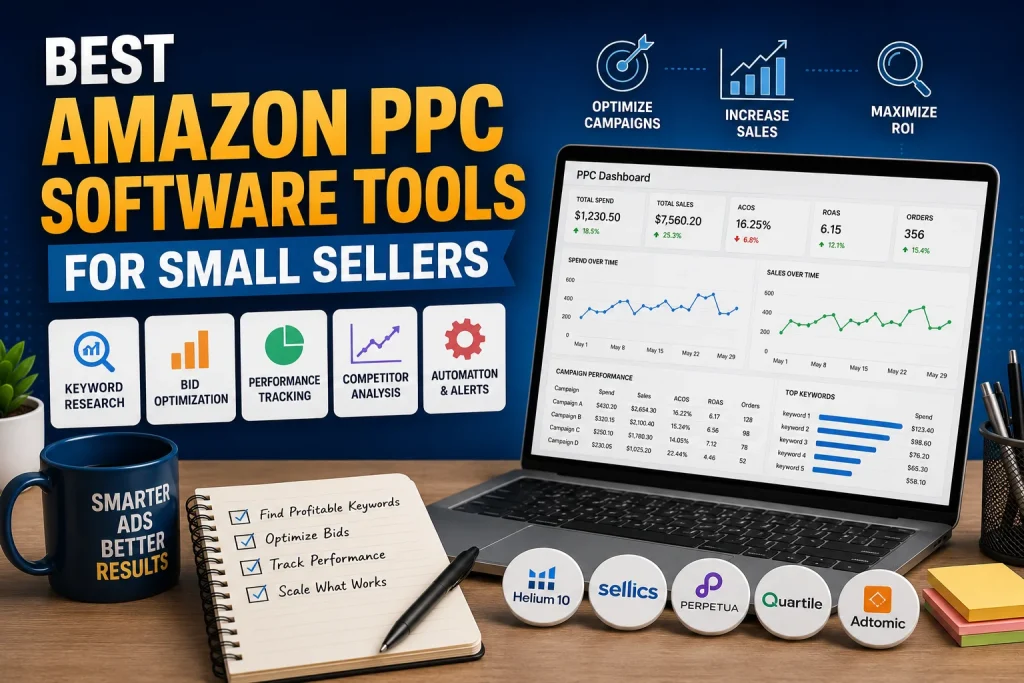
Best Amazon PPC Software Tools for Sellers

Running Amazon PPC campaigns can be tough when you are a small seller with a limited budget and limited time. Every click counts and spending money on the keywords or poorly managed campaigns can quickly cut into your profits. The good news is that the right Amazon PPC software tools can make advertising easier, more organized and more profitable for Amazon PPC campaigns. Small sellers do not always need systems with expensive monthly plans. They need tools that provide useful data support smarter decisions and help them manage Amazon PPC campaigns without wasting valuable resources. In this guide we explore some of the Amazon PPC software tools for small sellers and explain what makes each Amazon PPC software option useful. Why Small Sellers Need Amazon PPC Software Managing Amazon advertising manually can take a lot of time. Sellers need to monitor keywords review search terms adjust bids and understand which Amazon PPC campaigns are generating results. Without the data it is easy to continue spending on keywords that bring clicks but no sales for your Amazon PPC campaigns. Amazon PPC software helps simplify this process for Amazon PPC campaigns. It can provide campaign insights identify performance trends and make it easier to find areas that need improvement. For sellers this means more control over advertising budgets and less time spent sorting through complicated data for Amazon PPC campaigns. A good tool can also support Amazon Reports Management by helping sellers understand advertising performance and connect numbers with their overall business goals for Amazon PPC campaigns. Helium 10 for All Around PPC Insights Helium 10 is a popular choice for sellers who want multiple Amazon tools in one platform. Its advertising features can help sellers review Amazon PPC campaign performance and understand Amazon PPC data. Small sellers can use the platform to monitor Amazon PPC campaign trends and identify opportunities for improvement. The biggest advantage is that it offers more than advertising support. Sellers can also use tools for keyword research and business analysis for Amazon PPC campaigns. For a brand that wants one central platform to manage different areas of Amazon selling this can be a practical option for Amazon PPC campaigns. However sellers should choose the features they actually need instead of paying for tools they will rarely use for Amazon PPC campaigns. Jungle Scout for Simple Data Driven Decisions Jungle Scout is well known for its seller research features. Also provides useful support for understanding Amazon business performance. Small sellers who prefer an approach may find its data easier to use for Amazon PPC campaigns. The platform can help sellers look at business information and make more informed decisions about their Amazon PPC advertising strategy. When sellers understand which products and keywords are performing well they can make choices about where to spend their Amazon PPC budget for Amazon PPC campaigns. This is especially useful for sellers who are still learning how Amazon advertising works and want a tool that does not feel unnecessarily complicated for Amazon PPC campaigns. Perpetua for Automated PPC Management Perpetua is designed for sellers and brands that want automation in their Amazon PPC advertising management. Automation can be helpful for sellers who do not have enough time to check Amazon PPC campaigns throughout the day. The platform can help with Amazon PPC campaign optimization and performance monitoring. Of manually reviewing every Amazon PPC campaign detail sellers can use automation to support routine Amazon PPC decisions for Amazon PPC campaigns. However automation should not completely replace judgment for Amazon PPC campaigns. Small sellers should still review their Amazon PPC results and make sure their Amazon PPC advertising strategy matches their business goals for Amazon PPC campaigns. Seller Sprite for Keyword and Advertising Research Seller Sprite is another option for sellers who want to focus on keyword research and market data for Amazon PPC campaigns. Strong keyword selection is one of the important parts of successful Amazon PPC advertising for Amazon PPC campaigns. Small sellers can use keyword insights to discover search terms and improve their Amazon PPC campaign targeting. Better keyword research can help reduce wasted ad spending and make Amazon PPC campaigns more focused for Amazon PPC campaigns. The tool is particularly useful for sellers who want to understand market opportunities before investing in Amazon PPC advertising for Amazon PPC campaigns. Amazon PPC Software Should Support Better Decisions Choosing the tool is not only about the number of features it offers for Amazon PPC campaigns. Small sellers should focus on how the Amazon PPC software helps them understand their Amazon PPC advertising data for Amazon PPC campaigns. The right Amazon PPC software should make it easier to track performance indicators review Amazon PPC campaign results and identify problems early for Amazon PPC campaigns. It should also support Amazon Reports Management by turning Amazon PPC advertising information into clear and useful insights for Amazon PPC campaigns. A tool that looks impressive but is difficult to understand may not be the choice for a small business for Amazon PPC campaigns. Simple and actionable data is often more valuable than a dashboard of confusing numbers for Amazon PPC campaigns. How to Choose the Right PPC Tool for Your Business Before choosing Amazon PPC software small sellers should consider their budget, experience and Amazon PPC advertising goals for Amazon PPC campaigns. A beginner may need a tool with clear reporting while an experienced seller may want advanced automation and detailed Amazon PPC campaign analysis for Amazon PPC campaigns. It is also important to consider the number of products being sold for Amazon PPC campaigns. A seller with one or two products may not need a platform with advanced features for Amazon PPC campaigns. On the hand sellers managing several products may benefit from a more complete Amazon PPC advertising solution for Amazon PPC campaigns. Always focus on the features that can improve your Amazon PPC performance for Amazon PPC campaigns. Do not choose a tool simply because it has the list of features for Amazon PPC

Blog

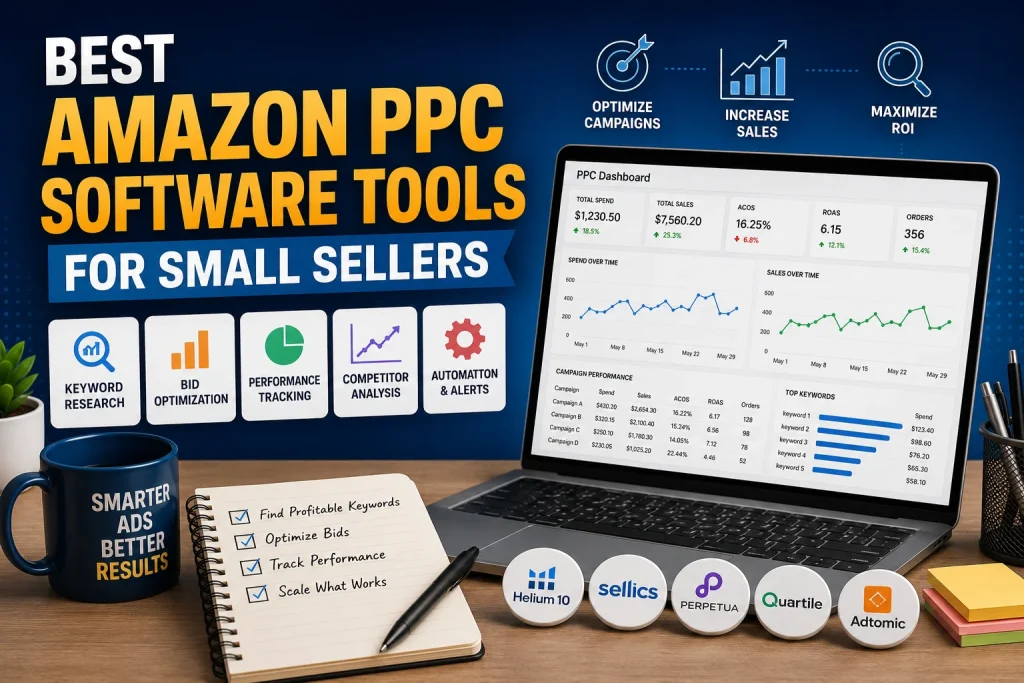
Best Amazon PPC Software Tools for Sellers

Running Amazon PPC campaigns can be tough when you are a small seller with a limited budget and limited time. Every click counts and spending money on the keywords or poorly managed campaigns can quickly cut into your profits. The good news is that the right Amazon PPC software tools can make advertising easier, more organized and more profitable for Amazon PPC campaigns. Small sellers do not always need systems with expensive monthly plans. They need tools that provide useful data support smarter decisions and help them manage Amazon PPC campaigns without wasting valuable resources. In this guide we explore some of the Amazon PPC software tools for small sellers and explain what makes each Amazon PPC software option useful. Why Small Sellers Need Amazon PPC Software Managing Amazon advertising manually can take a lot of time. Sellers need to monitor keywords review search terms adjust bids and understand which Amazon PPC campaigns are generating results. Without the data it is easy to continue spending on keywords that bring clicks but no sales for your Amazon PPC campaigns. Amazon PPC software helps simplify this process for Amazon PPC campaigns. It can provide campaign insights identify performance trends and make it easier to find areas that need improvement. For sellers this means more control over advertising budgets and less time spent sorting through complicated data for Amazon PPC campaigns. A good tool can also support Amazon Reports Management by helping sellers understand advertising performance and connect numbers with their overall business goals for Amazon PPC campaigns. Helium 10 for All Around PPC Insights Helium 10 is a popular choice for sellers who want multiple Amazon tools in one platform. Its advertising features can help sellers review Amazon PPC campaign performance and understand Amazon PPC data. Small sellers can use the platform to monitor Amazon PPC campaign trends and identify opportunities for improvement. The biggest advantage is that it offers more than advertising support. Sellers can also use tools for keyword research and business analysis for Amazon PPC campaigns. For a brand that wants one central platform to manage different areas of Amazon selling this can be a practical option for Amazon PPC campaigns. However sellers should choose the features they actually need instead of paying for tools they will rarely use for Amazon PPC campaigns. Jungle Scout for Simple Data Driven Decisions Jungle Scout is well known for its seller research features. Also provides useful support for understanding Amazon business performance. Small sellers who prefer an approach may find its data easier to use for Amazon PPC campaigns. The platform can help sellers look at business information and make more informed decisions about their Amazon PPC advertising strategy. When sellers understand which products and keywords are performing well they can make choices about where to spend their Amazon PPC budget for Amazon PPC campaigns. This is especially useful for sellers who are still learning how Amazon advertising works and want a tool that does not feel unnecessarily complicated for Amazon PPC campaigns. Perpetua for Automated PPC Management Perpetua is designed for sellers and brands that want automation in their Amazon PPC advertising management. Automation can be helpful for sellers who do not have enough time to check Amazon PPC campaigns throughout the day. The platform can help with Amazon PPC campaign optimization and performance monitoring. Of manually reviewing every Amazon PPC campaign detail sellers can use automation to support routine Amazon PPC decisions for Amazon PPC campaigns. However automation should not completely replace judgment for Amazon PPC campaigns. Small sellers should still review their Amazon PPC results and make sure their Amazon PPC advertising strategy matches their business goals for Amazon PPC campaigns. Seller Sprite for Keyword and Advertising Research Seller Sprite is another option for sellers who want to focus on keyword research and market data for Amazon PPC campaigns. Strong keyword selection is one of the important parts of successful Amazon PPC advertising for Amazon PPC campaigns. Small sellers can use keyword insights to discover search terms and improve their Amazon PPC campaign targeting. Better keyword research can help reduce wasted ad spending and make Amazon PPC campaigns more focused for Amazon PPC campaigns. The tool is particularly useful for sellers who want to understand market opportunities before investing in Amazon PPC advertising for Amazon PPC campaigns. Amazon PPC Software Should Support Better Decisions Choosing the tool is not only about the number of features it offers for Amazon PPC campaigns. Small sellers should focus on how the Amazon PPC software helps them understand their Amazon PPC advertising data for Amazon PPC campaigns. The right Amazon PPC software should make it easier to track performance indicators review Amazon PPC campaign results and identify problems early for Amazon PPC campaigns. It should also support Amazon Reports Management by turning Amazon PPC advertising information into clear and useful insights for Amazon PPC campaigns. A tool that looks impressive but is difficult to understand may not be the choice for a small business for Amazon PPC campaigns. Simple and actionable data is often more valuable than a dashboard of confusing numbers for Amazon PPC campaigns. How to Choose the Right PPC Tool for Your Business Before choosing Amazon PPC software small sellers should consider their budget, experience and Amazon PPC advertising goals for Amazon PPC campaigns. A beginner may need a tool with clear reporting while an experienced seller may want advanced automation and detailed Amazon PPC campaign analysis for Amazon PPC campaigns. It is also important to consider the number of products being sold for Amazon PPC campaigns. A seller with one or two products may not need a platform with advanced features for Amazon PPC campaigns. On the hand sellers managing several products may benefit from a more complete Amazon PPC advertising solution for Amazon PPC campaigns. Always focus on the features that can improve your Amazon PPC performance for Amazon PPC campaigns. Do not choose a tool simply because it has the list of features for Amazon PPC

Blog

Top Reasons Amazon Sellers. How to Avoid Them

Selling on Amazon is a great way for entrepreneurs and brands to reach many customers worldwide.. Many sellers struggle to succeed in the long term. Some sellers see their sales go down while others have account issues, poor visibility or problems with profitability that force them out of the marketplace. Understanding why sellers fail can help you avoid mistakes and build a sustainable business. In this guide we will look at the reasons Amazon sellers fail and provide practical solutions to help you stay ahead of the competition. Lack of Market Research One of the mistakes Amazon sellers make is launching products without researching the market. Many sellers choose products based on what they like not on what customers want. Without understanding market trends, competition and customer needs sellers often invest in products that do not sell well. How to Avoid It * Do market research before launching a product. * Look at customer reviews, competitor listings, pricing and demand trends. * Focus on products with demand and manageable competition. A researched product selection strategy increases your chances of success. * Poor Product Listings Your product listing is like your salesperson. If your title, bullet points, descriptions and images do not convince customers your conversion rate will suffer. Many sellers underestimate listing optimization and lose buyers to competitors with presentations. How to Avoid It * Create product titles, informative bullet points and keyword-rich descriptions. * Use high-quality images that show your products features and benefits. Professional listing optimization improves visibility increases conversions and helps build customer trust. * Ignoring Amazon Brand Management Many sellers focus on making sales and neglect their brand identity. Without a branding strategy it is hard to establish customer loyalty and differentiate your products from competitors. Effective Amazon Brand Management helps sellers create a brand presence that encourages repeat purchases and long-term growth. How to Avoid It * Develop a brand image across all listings. * Use logos, enhanced content and branded storefronts. * Focus on delivering a customer experience that strengthens brand recognition. Investing in Amazon Brand Management can transform your business from a product seller into a brand. * Weak Inventory Management Running out of stock is one of the ways to lose rankings and sales on Amazon. Overstocking can create storage fees and cash flow problems. Poor inventory management often leads to lost opportunities and unnecessary expenses. How to Avoid It * Monitor inventory levels regularly. Forecast demand based on historical sales data. * Plan inventory replenishment in advance to avoid stockouts during peak seasons. A balanced inventory strategy helps maintain sales momentum while controlling costs. * Ineffective Advertising Strategies Many Amazon sellers. Spend too much on advertising without results or avoid advertising altogether. Without an advertising strategy even great products can struggle to gain visibility in a crowded marketplace. How to Avoid It * Create targeted advertising campaigns based on keywords and customer behavior. * Monitor campaign performance and continuously optimize bids, budgets and targeting. Data-driven advertising helps maximize return on investment while increasing product visibility. * Failure to Monitor Performance Metrics Amazon provides data that can help sellers improve their performance. Unfortunately many sellers do not monitor metrics such as conversion rates, click-through rates, customer feedback and advertising performance. Ignoring these indicators can lead to declining sales and missed opportunities. How to Avoid It * Review performance reports and identify areas for improvement. * Analyze customer. Adjust your strategies based on real data. Continuous monitoring enables decision-making and business growth. * Poor Customer Service Customer satisfaction is crucial for Amazon success. Negative reviews, delayed responses and unresolved issues can damage your reputation and impact sales. Many sellers overlook customer service until problems become serious. How to Avoid It * Respond to customer inquiries quickly and professionally. * Address complaints promptly. Focus on providing positive experiences. Excellent customer service encourages reviews, repeat purchases and long-term trust. Not Adapting to Market Changes Amazon is constantly evolving. New policies, changing algorithms, emerging competitors and shifting customer preferences require sellers to stay informed and adaptable. Sellers who do not evolve often lose their advantage. How to Avoid It * Stay updated on marketplace trends and Amazon policy changes. * Regularly evaluate your strategies. Look for opportunities to improve product offerings, listings and marketing efforts. Flexibility is essential for long-term success in ecommerce. * Overlooking Amazon Brand Management Strategies Many businesses treat branding as optional than a core business function. However strong Amazon Brand Management can significantly impact customer trust, conversion rates and repeat purchases. Brands that invest in branding often achieve greater visibility and stronger market positioning. How to Avoid It * Focus on building a brand that reflects quality and professionalism. * Maintain consistency across product listings, advertising campaigns and customer interactions. Implementing Amazon Brand Management strategies helps create a competitive advantage. Lack of Professional Support Managing an Amazon business involves responsibilities, including product research listing optimization, advertising, inventory management and customer service. Trying to handle everything can lead to mistakes and missed growth opportunities. How to Avoid It * Work with ecommerce professionals who understand the Amazon ecosystem. * Expert guidance can help streamline operations improve performance and accelerate growth. Professional support allows sellers to focus on business expansion while ensuring daily operations run efficiently. Final Thoughts Success on Amazon requires more, than listing products and waiting for sales. Sellers who fail often make mistakes related to research, branding, inventory management, advertising and customer service.

Scroll to Top