BizisTech | No.1 Ecommerce Marketing Agency USA

#amazonmarketing

Blog

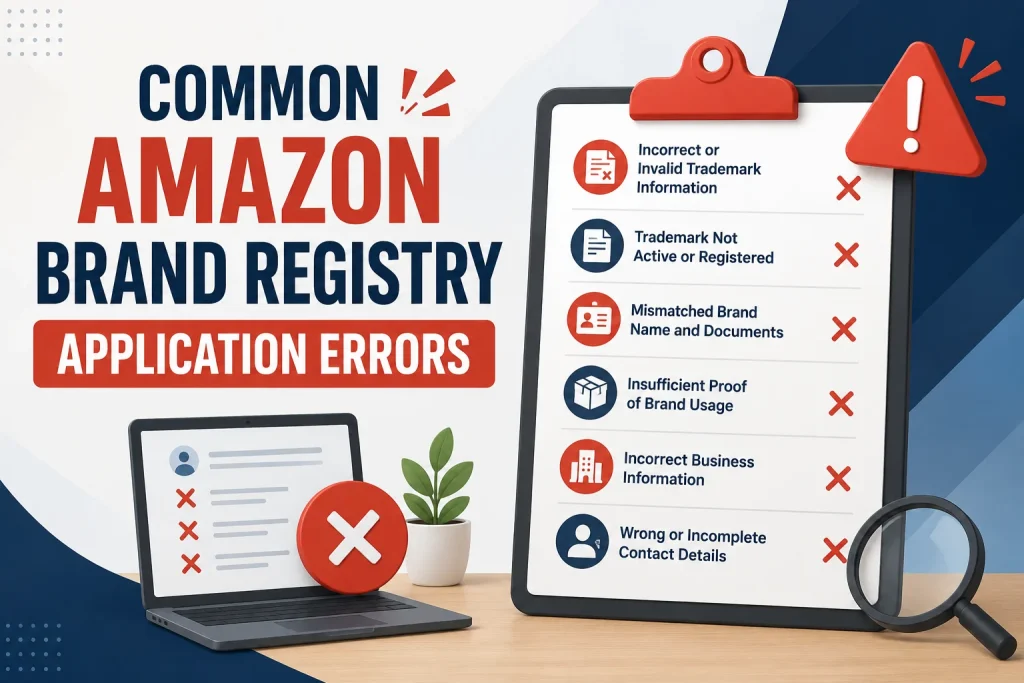
Common Amazon Brand Registry Application Errors

Building a private label business starts with protecting your Amazon brand. The Amazon Brand Registry is a tool that helps you keep your brand safe. It also helps you make your product listings better and makes customers trust you more.. A lot of people have problems when they apply because they make mistakes that could be avoided. If you know what these mistakes are you can save time. Get your application approved. There are companies like Bizistech that help people fill out their applications correctly. They make sure everything is right so you do not have any problems. Why Do Amazon Brand Registry Applications Get Rejected Amazon checks every application carefully to make sure the person applying really owns the brand and has given the information. If there is a small mistake it can cause delays or your application might get rejected. Most of the time the problems are because of information not because the person does not qualify. Your Brand Name Has To Match Your Trademark One mistake people make is not using the exact same name for their brand as they did when they registered their trademark. Even if you leave out a space or use words it can cause problems when Amazon tries to verify your information. You should always check your application against your trademark records before you submit it. Make sure your brand name is the same as it is on your registration documents. Wrong Trademark Information A lot of people accidentally put in the trademark number or choose the wrong trademark office when they apply. These small mistakes can stop Amazon from verifying your registration. You should double check all your trademark information before you submit your application so you do not have any delays. Bad Product Pictures Amazon wants you to have pictures of your products with your brand name on them. If your pictures are not clear or if you just have a sticker on your product it can cause problems with your application. You should use quality pictures with good lighting so every detail of your brand is easy to see. Your Business Information Has To Match All your business information, like your business name and tax information has to match. If Amazon cannot verify this information your application might get rejected. A lot of people do not notice differences in their company name or address that can cause problems. Choosing The Wrong Product Category If you choose the category for your product it can confuse Amazon and make it harder for them to verify your application. You should choose the categories that best fit the products you sell under your brand. If you give Amazon information about your products they can review your application more quickly. Not Responding To Amazons Emails Sometimes Amazon will send you an email to verify some information or ask for documents. If you do not respond to these emails it can delay your application. You should check your email regularly after you submit your application and respond quickly if Amazon asks for anything. Uploading Old Documents Some people upload business records or outdated trademark information. You should always upload the recent documents that show your current business information. If you have up-to-date records it can help you get approved quickly. Technical Problems When You Submit Sometimes your application might not go through because of problems with your browser or the Amazon website. If this happens you should try again later. Use a different browser. How Being Prepared Can Save You Time If you get all your documents ready before you start your application you can avoid mistakes. Get approved more quickly. You should check all your information carefully before you submit your application. There are companies like Bizistech that can help you get your trademark records and business documents in order. They can also make sure your application is correct so you do not have any problems. Being prepared can also help you with things, like amazon ppc management, which can help you get more visibility for your brand once it is registered. After you get approved you can use the benefits of the Amazon Brand Registry along, with amazon ppc management to get more people to see your products protect your brand and sell more. As your business grows amazon ppc management can help you keep your advertising working while the Amazon Brand Registry protects your brand. If you work with people who are experienced in amazon ppc management you can get the most out of your brand. Conclusion The Amazon Brand Registry is a tool but you have to fill out your application correctly. Most people get rejected because they make mistakes that they could have avoided, like trademark information or bad product pictures. If you check everything carefully before you submit your application you can avoid delays. Get approved more quickly.
Blog

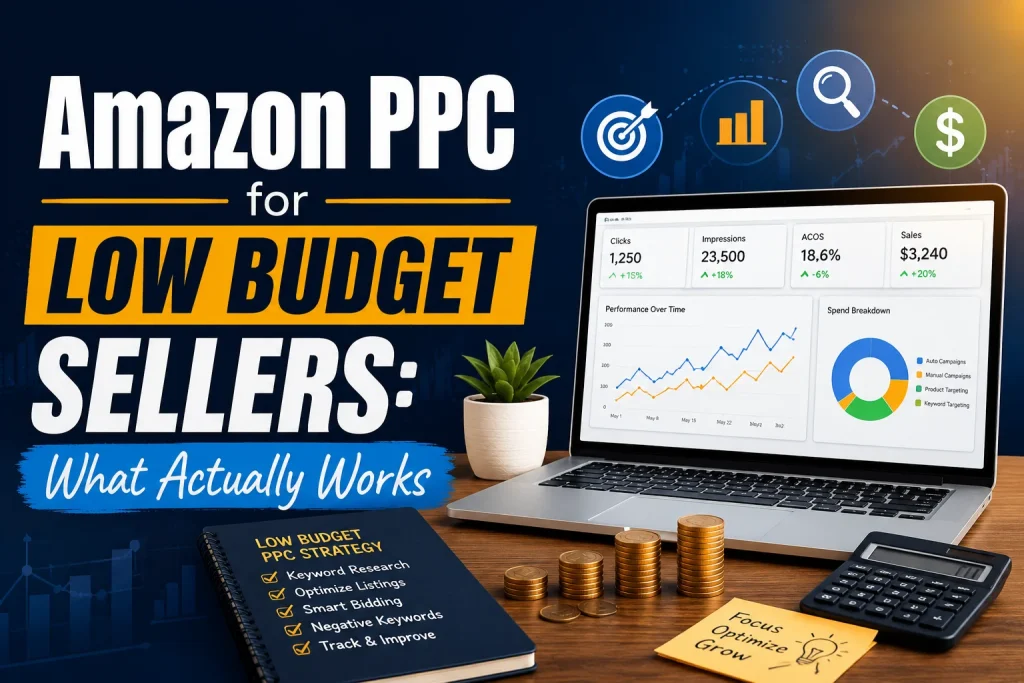
Amazon PPC for Low Budget Sellers: What Actually Works

Starting an Amazon business with a budget can be tough. A lot of budget sellers think that PPC advertising is only good for big brands that have a lot of money to spend.. That is not true. Amazon PPC can work for sellers if they make careful decisions and use their money wisely. The goal is not to spend a lot of money. The goal is to spend money in a way. Start With One Clear Product Goal A lot of budget sellers try to promote all of their products at the same time. This can be a mistake because it spreads their advertising budget thin. It is hard to know what is working and what is not. Choose one product that you think will sell well and focus on that product. Make sure the product listing is good and will make customers want to buy. A PPC campaign can bring people to your product. If the listing is not good it will not work. Start with one goal, like getting your first sales finding good keywords or making your product more visible. Having a goal helps you make good decisions about your advertising. Use Campaigns With Focused Targeting When you do not have a lot of money advertising without a plan can be expensive. Low budget sellers should focus on keywords that’re closely related to their product. Using exact and phrase targeting can be helpful if you already know what customers are looking for. Of targeting a lot of keywords start with a small group and see how they do. Amazon ads management services can help sellers find opportunities and not waste money. If your campaigns are set up in a way it is easier to see which keywords are working. Start With a Controlled Daily Budget You do not need to spend a lot of money every day to see how your PPC campaigns are doing. Start with an amount of money that you can afford and only increase it if you see good results. A small budget lets you test your product and keywords without risking all of your money. The important thing is to not make changes all the time. Let your campaigns run for a while and collect some data. Then look at the results. Make some changes. Do Not Chase Every Click One mistake that new sellers make is only looking at clicks. A keyword might get a lot of clicks. If it does not lead to sales it is not working. Low budget sellers need to look at the picture. Look at how clicks you get how many sales you make how much you spend on advertising and how well your ads convert. If a keyword is not working you might need to change your bid or try something The point of PPC is not just to get clicks. It is to attract customers who’re likely to buy. Use Negative Targeting to Protect Your Budget keywords are very helpful for sellers who do not have a lot of money. They help keep your ads from showing up for searches that’re not relevant. For example if your product is for one thing. Your ad shows up for something else that can waste your money. Look at your search terms regularly. Find the ones that are not working. If you remove the searches your budget can focus on better customers. Improve Your Listing Before Increasing Ad Spend Sometimes sellers think their PPC campaign is the problem. Really the problem is the product listing. If people click on your ad but do not buy, spending money will not fix it. Look at your product listing and make sure it is good. Ask yourself if it clearly says why customers should choose your product. A better listing can make your existing traffic more valuable. This is why amazon ads management services work well when they consider the store, not just the advertising. Track Results Regularly Low budget sellers should not ignore their advertising reports. You do not need to be an expert. You should understand how your campaigns are doing. Look at which keywords are getting clicks, which ones are making sales and where your money is going. Checking regularly helps you find problems before they cost much. Even a small change can make a difference when you do not have a lot of money. Scale Slowly When Something Works If a campaign starts working do not spend more money right away. Increase your spending slowly. See what happens. A good low budget strategy is to make changes and see what works. Find a keyword that works make it better and then try things. This way sellers can grow without spending much money. The Real Secret to Low Budget PPC Success The real secret is simple. Low budget sellers do not need to compete with brands by spending a lot of money. They need to be smart, about how they advertise. Targeting the people controlling your bids using negative keywords and checking your results regularly can help you make the most of your money. When you need help with your campaigns amazon ads management services can give you the support you need to reduce waste and make your campaigns better.

Blog

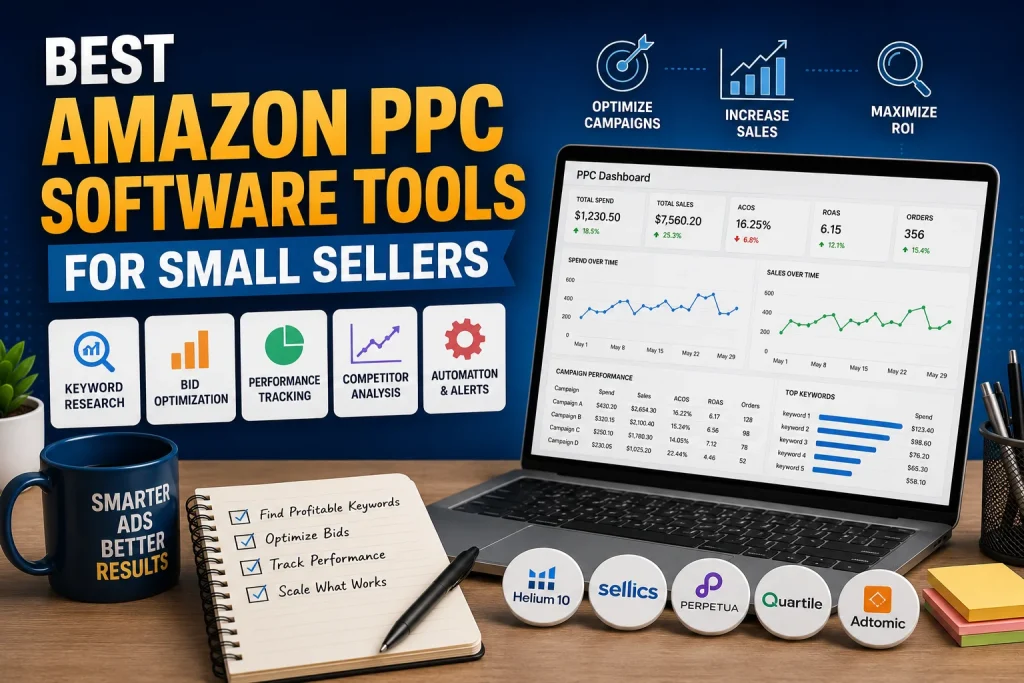
Best Amazon PPC Software Tools for Sellers

Running Amazon PPC campaigns can be tough when you are a small seller with a limited budget and limited time. Every click counts and spending money on the keywords or poorly managed campaigns can quickly cut into your profits. The good news is that the right Amazon PPC software tools can make advertising easier, more organized and more profitable for Amazon PPC campaigns. Small sellers do not always need systems with expensive monthly plans. They need tools that provide useful data support smarter decisions and help them manage Amazon PPC campaigns without wasting valuable resources. In this guide we explore some of the Amazon PPC software tools for small sellers and explain what makes each Amazon PPC software option useful. Why Small Sellers Need Amazon PPC Software Managing Amazon advertising manually can take a lot of time. Sellers need to monitor keywords review search terms adjust bids and understand which Amazon PPC campaigns are generating results. Without the data it is easy to continue spending on keywords that bring clicks but no sales for your Amazon PPC campaigns. Amazon PPC software helps simplify this process for Amazon PPC campaigns. It can provide campaign insights identify performance trends and make it easier to find areas that need improvement. For sellers this means more control over advertising budgets and less time spent sorting through complicated data for Amazon PPC campaigns. A good tool can also support Amazon Reports Management by helping sellers understand advertising performance and connect numbers with their overall business goals for Amazon PPC campaigns. Helium 10 for All Around PPC Insights Helium 10 is a popular choice for sellers who want multiple Amazon tools in one platform. Its advertising features can help sellers review Amazon PPC campaign performance and understand Amazon PPC data. Small sellers can use the platform to monitor Amazon PPC campaign trends and identify opportunities for improvement. The biggest advantage is that it offers more than advertising support. Sellers can also use tools for keyword research and business analysis for Amazon PPC campaigns. For a brand that wants one central platform to manage different areas of Amazon selling this can be a practical option for Amazon PPC campaigns. However sellers should choose the features they actually need instead of paying for tools they will rarely use for Amazon PPC campaigns. Jungle Scout for Simple Data Driven Decisions Jungle Scout is well known for its seller research features. Also provides useful support for understanding Amazon business performance. Small sellers who prefer an approach may find its data easier to use for Amazon PPC campaigns. The platform can help sellers look at business information and make more informed decisions about their Amazon PPC advertising strategy. When sellers understand which products and keywords are performing well they can make choices about where to spend their Amazon PPC budget for Amazon PPC campaigns. This is especially useful for sellers who are still learning how Amazon advertising works and want a tool that does not feel unnecessarily complicated for Amazon PPC campaigns. Perpetua for Automated PPC Management Perpetua is designed for sellers and brands that want automation in their Amazon PPC advertising management. Automation can be helpful for sellers who do not have enough time to check Amazon PPC campaigns throughout the day. The platform can help with Amazon PPC campaign optimization and performance monitoring. Of manually reviewing every Amazon PPC campaign detail sellers can use automation to support routine Amazon PPC decisions for Amazon PPC campaigns. However automation should not completely replace judgment for Amazon PPC campaigns. Small sellers should still review their Amazon PPC results and make sure their Amazon PPC advertising strategy matches their business goals for Amazon PPC campaigns. Seller Sprite for Keyword and Advertising Research Seller Sprite is another option for sellers who want to focus on keyword research and market data for Amazon PPC campaigns. Strong keyword selection is one of the important parts of successful Amazon PPC advertising for Amazon PPC campaigns. Small sellers can use keyword insights to discover search terms and improve their Amazon PPC campaign targeting. Better keyword research can help reduce wasted ad spending and make Amazon PPC campaigns more focused for Amazon PPC campaigns. The tool is particularly useful for sellers who want to understand market opportunities before investing in Amazon PPC advertising for Amazon PPC campaigns. Amazon PPC Software Should Support Better Decisions Choosing the tool is not only about the number of features it offers for Amazon PPC campaigns. Small sellers should focus on how the Amazon PPC software helps them understand their Amazon PPC advertising data for Amazon PPC campaigns. The right Amazon PPC software should make it easier to track performance indicators review Amazon PPC campaign results and identify problems early for Amazon PPC campaigns. It should also support Amazon Reports Management by turning Amazon PPC advertising information into clear and useful insights for Amazon PPC campaigns. A tool that looks impressive but is difficult to understand may not be the choice for a small business for Amazon PPC campaigns. Simple and actionable data is often more valuable than a dashboard of confusing numbers for Amazon PPC campaigns. How to Choose the Right PPC Tool for Your Business Before choosing Amazon PPC software small sellers should consider their budget, experience and Amazon PPC advertising goals for Amazon PPC campaigns. A beginner may need a tool with clear reporting while an experienced seller may want advanced automation and detailed Amazon PPC campaign analysis for Amazon PPC campaigns. It is also important to consider the number of products being sold for Amazon PPC campaigns. A seller with one or two products may not need a platform with advanced features for Amazon PPC campaigns. On the hand sellers managing several products may benefit from a more complete Amazon PPC advertising solution for Amazon PPC campaigns. Always focus on the features that can improve your Amazon PPC performance for Amazon PPC campaigns. Do not choose a tool simply because it has the list of features for Amazon PPC

Blog

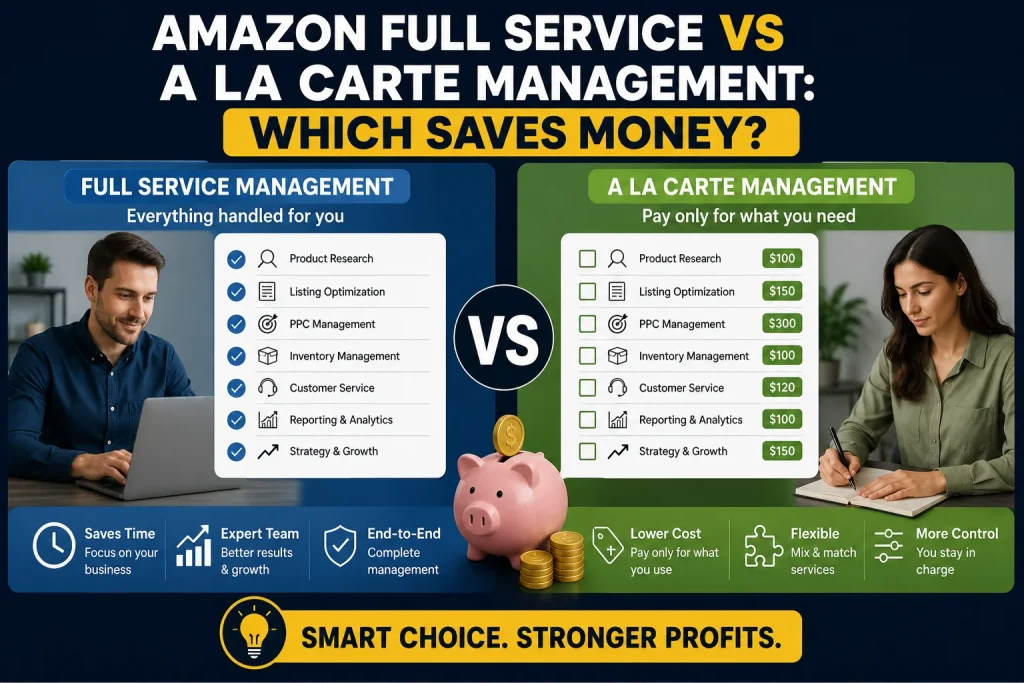
Amazon Full Service vs A La Carte Management: Which Saves Money?

Many Amazon sellers get to a point where managing their store gets too hard. They have to handle listings, ads, inventory and customer service. At that point they often compare two options: full service Amazon management and a la carte management. The main question is, which one saves money and helps the store grow? The answer depends on how much you sell what skills you have in-house. How much help you need with things like Amazon PPC management listing optimization and inventory planning. What Is Amazon Full Service Management? Amazon full service management is when one team handles most of your Amazon store operations. Of hiring different people for ads, listings, inventory and customer support you work with one partner for everything. Typical services include: * Creating and optimizing product listings *. Forecasting inventory * Handling orders and customer support * Managing Amazon PPC. Campaigns * Reporting performance and planning growth This option is great for sellers who want to reduce their workload and have a strategy. What Is A La Carte Amazon Management? A la carte Amazon management lets sellers choose the services they need. Of paying for a full package you can hire help for specific tasks and keep the rest in-house. Common a la carte services include: * Optimizing product listings * Managing Amazon PPC * Auditing inventory * Researching keywords * Monitoring account health This approach gives sellers flexibility and control over their budget. Cost Comparison When comparing costs look beyond the fee. The real cost includes wasted ad spend, missed sales and the time spent coordinating providers. | Factor | Full Service | A La Carte | | Monthly fee | Higher fixed package Lower upfront cost | | Services included | Most account tasks | Only selected tasks | | Coordination needed | Minimal | Seller manages providers | | Best for | Growing or busy sellers | Small sellers with in-house skills | When Full Service Saves More Money A full service package may seem pricey but it can save money when your Amazon business is growing fast or needs daily management. It’s often the value when: * You have products or a large catalog. * Your ad budget is big. Needs constant optimization. * You don’t have an in-house team for listings, ads and inventory. * You want one strategy across all parts of your account. For example poor Amazon PPC management can quickly waste ad budget. A full service team that manages ads daily may reduce spend and improve sales. When A La Carte Saves Money A la carte management can be more affordable for sellers who only need help in a few areas. It works best when: * You have a product catalog. * You can manage listings or inventory internally. * You only need help with one service, like Amazon PPC management. * You want to keep expenses low. For a seller with few products paying for a full service package may include services they don’t need. Hiring help for PPC campaigns or listing optimization can be a smarter financial choice. Hidden Costs to Consider The monthly fee isn’t always the cheapest option. Sellers should also consider: * Time cost: Coordinating freelancers or agencies can take hours every week. * Inconsistent strategy: Different providers may not work toward the growth plan. * Missed opportunities: Delayed inventory planning or weak listings can reduce sales. * Advertising waste: Poor PPC optimization can increase costs quickly. A full service provider may reduce these hidden costs by handling the account as one system. Which Option Should You Choose? Choose service management if: * Your store is growing rapidly. * You want to outsource Amazon operations. * You need PPC, listing, inventory and account management support. Choose a la carte management if: * Your store is small or newly launched. * You already have in-house support for some tasks. * You only need help with a service. Final Verdict For sellers with limited needs a la carte management usually saves more money. For growing sellers, with catalogs and limited internal resources full service management often provides better long-term value especially with effective Amazon PPC management.

Blog

Signs You Need to Fire Your Amazon Agency

To have an Amazon business you need to do more than just list products and wait for people to buy them. The decisions your Amazon agency makes can affect how well your business does how money you make and what people think of your brand. A good agency can be a partner for your business but a bad one can slow you down and waste your money. A lot of sellers keep working with an agency that is not doing a job because they think things will get better. But waiting long can mean you lose money your products do not show up in search results and you miss out on chances to sell more. Knowing when to move on can help you protect your business and do better. Your Sales Continue to Decline Every business on Amazon has bad times but if your sales keep going down and you do not know why that is a bad sign. A good agency should always be looking at your account finding problems and coming up with plans to make things better. If your sales keep going down month after month and your agency just makes excuses of fixing things it might be time to find a new partner. Poor Communication and Slow Responses Talking to each other is a part of having a successful business relationship. Your agency should keep you informed about what’s going on with your business how your ads are doing and what is happening on Amazon. If you send them an email and they do not respond or if you have to wait a time to get an answer or if you always have to ask them for updates your business might not be getting the attention it needs. No Clear Performance Reports Good agencies use data to make decisions. If you do not get reports you cannot know how your business is doing. A good agency should give you reports so you can see how your products are selling how your ads are doing what your customers are doing and if you have enough products in stock. With these reports you can make decisions instead of just guessing. They Never Adjust Their Strategy Amazon is always changing. Peoples buying habits change there is competition and new chances to sell come up all the time. If your agency just keeps doing the thing over and over without changing your business might have trouble competing. Good agencies try things make your product listings better make your ads work better and react to changes in the market. Advertising Costs Keep Increasing Advertising should help you make money not just cost you more. If you are spending more on ads but not selling more that is a sign. A good agency watches your ads all the time stops wasting money makes sure you are targeting the people and tries to get the most out of your money. Your Product Listings Remain Outdated Your product listings should always be up to date. You should change the titles, descriptions, pictures and other information whenever you can to make them better. If your listings look the same after a time your agency might not be working hard to make your business better. They Ignore Business Data Data is very important for sellers on Amazon. You should use data to make decisions not just guess. Good Amazon Reports Management helps you see what your customers are doing which products are making money, when to sell more and what you can do better. If your agency does not talk about data they might be missing chances to help you grow. You Feel Like You Are Managing the Agency Your agency should solve problems before they become issues. If you always have to remind them about deadlines ask for updates or find problems before they do that is not right. Of making your life easier they are making it harder. They Do Not Focus on Long Term Growth Some agencies only care about selling now not about making your business strong for the future. To be successful in the term you need to plan for how you will manage your products make your customers happy make your ads better make your listings better and build your brand. A good agency always works towards making your business strong for the term not just for now. There Is No Transparency You should always know what is going on with your business. You should know where your money is going and what you are getting for it. Good Amazon Reports Management shows you everything that is happening with your ads, sales and business. If your agency does not want to share information or gives you answers that is not good. Better Opportunities Are Available The ecommerce business is always. Now there are agencies that can do more for you. They have experts who know what they are doing and use data to make decisions. If you find an agency that understands what you want talks to you better and has a plan to help you grow changing agencies might be an idea. How the Right Agency Makes a Difference The right Amazon agency is like a part of your business. They watch what is happening every day make your listings better make your ads work better see what your customers are doing and give you advice based on data. A good team works hard to solve problems before they happen. Always looks for ways to make you more money and make your brand stronger. Final Thoughts Choosing the Amazon agency can make a big difference, for your business. If your agency does not communicate well is not transparent does not have a plan or does not get results it might be time to look for an one. Your Amazon business deserves a team that cares about your goals values your money. Always works to make you do better. If you see these warning signs you can make decisions

Blog

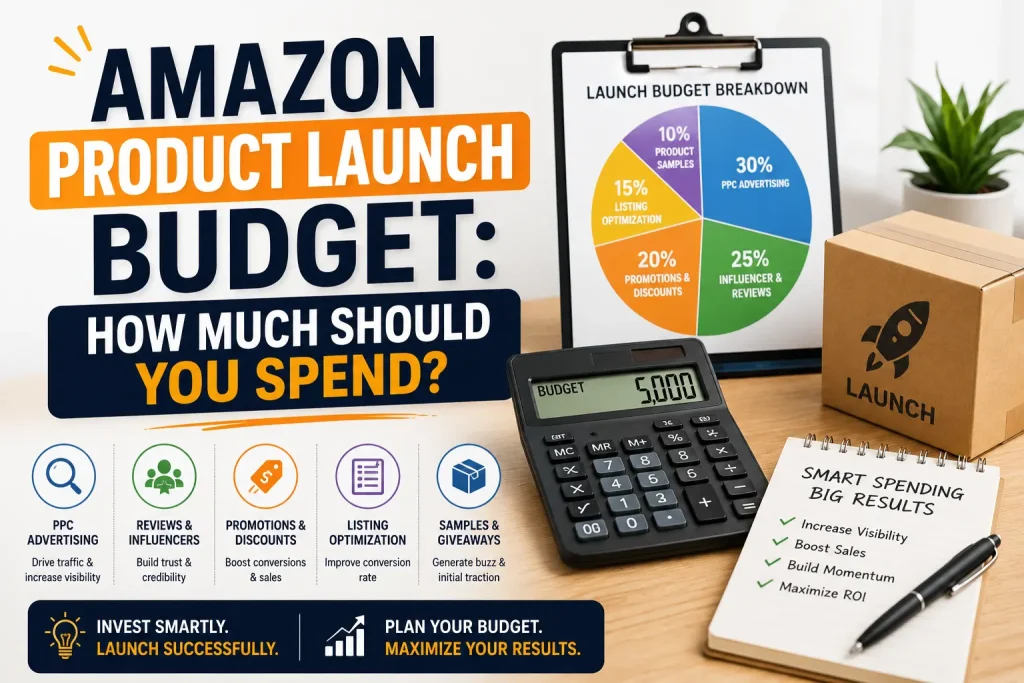
Amazon Product Launch Budget: How Much Should You Spend?

Launching a product on Amazon is one of the exciting stages for any seller. However excitement alone is not enough to guarantee success. A planned budget plays a major role in determining whether your Amazon product gains visibility or gets lost among thousands of competitors. Many new sellers. Overspend without a strategy or spend too little and fail to generate momentum. Finding the balance is the key to a successful Amazon product launch. A planned launch budget helps you cover advertising, product optimization, inventory and promotional activities for your Amazon product while maintaining profitability. Businesses that work with ecommerce professionals often create structured launch plans that maximize every dollar invested in their Amazon product launch. Companies like Bizistech focus on helping sellers develop launch strategies optimize Amazon product listings and improve Amazon advertising performance through data driven decisions. Why a Launch Budget Matters for Your Amazon Product Your launch budget for your Amazon product is not simply money set aside for advertising. It is an investment in building your Amazon products visibility generating sales history and earning customer trust for your Amazon product. A successful launch of your Amazon product helps you * Increase Amazon product visibility * Generate sales for your Amazon product * Build customer confidence in your Amazon product * Improve keyword rankings for your Amazon product * Gain Amazon product reviews * Strengthen term profitability for your Amazon product Without a realistic budget for your Amazon product even a high quality Amazon product may struggle to compete against established sellers on Amazon. Factors That Influence Your Launch Budget for Your Amazon Product Every Amazon product requires a level of investment. Your budget for your Amazon product depends on important factors. * Product Category for your Amazon product * Product Price of your Amazon product * Competition Level for your Amazon product * Inventory Size for your Amazon product * Brand Goals for your Amazon product Typical Expenses During an Amazon Product Launch Understanding where your money goes helps you create a budget for your Amazon product launch. * Product Photography for your Amazon product * Listing Optimization for your Amazon product * Product Videos and Enhanced Content for your Amazon product * Advertising Campaigns for your Amazon product * Promotions for your Amazon product * Inventory Management for your Amazon product Recommended Budget for Different Seller Levels on Amazon New Sellers on Amazon often start with a launch budget that focuses on listing optimization, professional images and controlled advertising campaigns for their Amazon product. This approach allows them to gather data while minimizing unnecessary expenses for their Amazon product. Growing Brands on Amazon often allocate resources toward aggressive advertising, advanced content creation and expanded promotional campaigns for their Amazon product. Established Businesses on Amazon frequently invest in launch strategies that include advanced keyword research, premium creative assets, continuous campaign optimization and ongoing performance analysis for their Amazon product. How Much Should You Spend on Amazon Advertising for Your Amazon Product Amazon advertising is usually the important part of your launch budget for your Amazon product because it directly influences visibility and sales of your Amazon product. Of spending aggressively from the beginning many successful sellers gradually increase Amazon advertising based on campaign performance for their Amazon product. Working with an Amazon ppc management service helps identify profitable keywords improve bidding strategies and reduce unnecessary Amazon advertising costs for your Amazon product. Well managed Amazon advertising campaigns focus on * Targeting keywords for your Amazon product * Eliminating poor performing search terms for your Amazon product * Improving conversion rates for your Amazon product * Reducing Amazon advertising cost over time for your Amazon product * Scaling Amazon advertising campaigns for your Amazon product Avoid Common Budget Mistakes for Your Amazon Product Many sellers lose money because they make preventable budgeting errors for their Amazon product. * Spending Much Too Early on Amazon advertising for your Amazon product * Ignoring Listing Quality for your Amazon product * Forgetting Inventory Costs for your Amazon product * Not Tracking Performance for your Amazon product * Expecting Immediate Profit from your Amazon product Creating a Smart Launch Strategy for Your Amazon Product A launch of your Amazon product combines planning, testing and continuous improvement. Your strategy for your Amazon product should include * Market research for your Amazon product * Competitor analysis for your Amazon product * Keyword research for your Amazon product * Professional product content for your Amazon product * Amazon advertising optimization for your Amazon product * Performance monitoring for your Amazon product * Inventory planning for your Amazon product * Customer focused improvements for your Amazon product Many businesses simplify this process by partnering with ecommerce specialists who understand Amazon marketplace trends and Amazon advertising strategies. Bizistech provides end to end ecommerce solutions including account management listing optimization, Amazon marketplace strategy and Amazon advertising support to help sellers achieve growth for their Amazon product. Measuring Your Return on Investment for Your Amazon Product Launching your Amazon product is the beginning. Measuring performance ensures your budget continues producing results for your Amazon product. Monitor metrics including * Sales growth for your Amazon product * Conversion rate for your Amazon product * Amazon advertising efficiency for your Amazon product * Organic keyword rankings for your Amazon product * Customer reviews for your Amazon product * Profit margins for your Amazon product * Customer acquisition cost for your Amazon product Regular analysis allows you to adjust your strategy and invest confidently in areas producing the strongest returns for your Amazon product. A professional Amazon ppc management service can continuously refine Amazon advertising campaigns identify opportunities and improve overall Amazon advertising performance as your Amazon product grows. Final Thoughts on Amazon Product Launch Budget There is no answer to how much you should spend on an Amazon product launch because every business has different goals, products and competition levels on Amazon. The successful sellers focus on spending strategically rather than simply spending more on Amazon advertising for their Amazon

Blog

Amazon Keyword Research Guide for Higher Rankings

To succeed on Amazon you need to do one thing: keyword research. Even great products can struggle to sell if customers can’t find them. Keyword research helps your products appear in search results that matter. It attracts the shoppers and increases conversions. Whether you’re launching a product or improving an existing listing understanding Amazon keywords is key. With help from experts like Bizistech you can create a keyword plan that leads to long-term growth and success. Why Amazon Keyword Research Matters Amazon is a marketplace where customers search for products. They type in words or phrases to find what they want to buy. Amazon matches those searches with product listings that seem relevant. The right keywords help you: * Increase product visibility * Reach shoppers who want to buy * Improve rankings * Get traffic * Sell more and convert better When your listing has keywords that customers search for you’re more likely to appear on the page. Understand Customer Search Intent Good keyword research isn’t about finding popular search terms. It’s about understanding why customers search for products. Ask yourself: * What problem does the customer want to solve? * What features matter most? * What words would a customer type before buying? By focusing on customer intent your listings become more relevant. Perform better. Find High Value Keywords The best keywords have search volume and relevance. Don’t just target keywords. Include a mix of keyword types. * Broad keywords attract people. * Specific keywords target shoppers who want to buy. * Long-tail keywords have competition and higher conversion rates. * Brand-related keywords help customers find products. A balanced keyword plan helps your products compete. Improves visibility. Analyze Your Competitors One smart way to find keywords is to study competitors. Look at listings that rank well in your category. Check: * Product titles * Bullet points * Descriptions * Backend keywords * Product features This research helps you find keyword opportunities and see how successful sellers organize their content. Organize Keywords by Priority Not every keyword is equal. Organizing them makes listing optimization easier. * Primary keywords go in your product title. * Secondary keywords fit in bullet points. * Supporting keywords go in product descriptions. * Additional search terms go in backend fields. A structured keyword plan improves readability. Gives Amazon more information. Optimize Every Part of Your Listing Keywords should appear naturally throughout your listing. Don’t repeat them excessively. Focus on optimizing: * Product title * Bullet points * Product description * Backend search terms * Image text written content provides value and helps Amazon understand your product. Avoid Keyword Stuffing Many sellers think repeating keywords improves rankings. It can actually reduce readability. Hurt the customer experience. Write naturally. Use relevant variations. High-quality content performs better because customers trust easy-to-read listings. Monitor Performance Regularly Keyword research isn’t a one-time task. Customer search behavior changes and new competitors appear. Track performance indicators like: * Organic rankings * Click-through rate * Conversion rate * Sales growth * Search term performance Regular monitoring helps you replace underperforming keywords and maintain growth. Combine Keyword Research with Amazon Brand Management Strong keyword research is more powerful with Amazon Brand Management. A managed brand builds trust strengthens visibility and creates a consistent shopping experience. Professional Amazon Brand Management ensures your products are optimized with branding, high-quality content and strategic keyword placement. This combination improves rankings. Encourages repeat customers. Common Keyword Research Mistakes Many sellers lose ranking opportunities due to mistakes. Common mistakes include: * Using high-competition keywords * Ignoring long-tail search terms * Not updating listings * Copying competitor content * Adding keywords * Neglecting backend search terms Avoiding these mistakes gives your listings a competitive advantage. Build a Long Term Keyword Strategy Amazon evolves making continuous optimization essential. Successful sellers treat keyword research as a process. Working with experts, like Bizistech helps businesses find keyword opportunities improve listings and stay ahead of trends. Strategic Amazon Brand Management strengthens brand identity. Maintains higher rankings and sales growth.

Blog

Amazon Keyword Research Guide for Higher Rankings

To succeed on Amazon you need to do one thing: keyword research. Even great products can struggle to sell if customers can’t find them. Keyword research helps your products appear in search results that matter. It attracts the shoppers and increases conversions. Whether you’re launching a product or improving an existing listing understanding Amazon keywords is key. With help from experts like Bizistech you can create a keyword plan that leads to long-term growth and success. Why Amazon Keyword Research Matters Amazon is a marketplace where customers search for products. They type in words or phrases to find what they want to buy. Amazon matches those searches with product listings that seem relevant. The right keywords help you: * Increase product visibility * Reach shoppers who want to buy * Improve rankings * Get traffic * Sell more and convert better When your listing has keywords that customers search for you’re more likely to appear on the page. Understand Customer Search Intent Good keyword research isn’t about finding popular search terms. It’s about understanding why customers search for products. Ask yourself: * What problem does the customer want to solve? * What features matter most? * What words would a customer type before buying? By focusing on customer intent your listings become more relevant. Perform better. Find High Value Keywords The best keywords have search volume and relevance. Don’t just target keywords. Include a mix of keyword types. * Broad keywords attract people. * Specific keywords target shoppers who want to buy. * Long-tail keywords have competition and higher conversion rates. * Brand-related keywords help customers find products. A balanced keyword plan helps your products compete. Improves visibility. Analyze Your Competitors One smart way to find keywords is to study competitors. Look at listings that rank well in your category. Check: * Product titles * Bullet points * Descriptions * Backend keywords * Product features This research helps you find keyword opportunities and see how successful sellers organize their content. Organize Keywords by Priority Not every keyword is equal. Organizing them makes listing optimization easier. * Primary keywords go in your product title. * Secondary keywords fit in bullet points. * Supporting keywords go in product descriptions. * Additional search terms go in backend fields. A structured keyword plan improves readability. Gives Amazon more information. Optimize Every Part of Your Listing Keywords should appear naturally throughout your listing. Don’t repeat them excessively. Focus on optimizing: * Product title * Bullet points * Product description * Backend search terms * Image text written content provides value and helps Amazon understand your product. Avoid Keyword Stuffing Many sellers think repeating keywords improves rankings. It can actually reduce readability. Hurt the customer experience. Write naturally. Use relevant variations. High-quality content performs better because customers trust easy-to-read listings. Monitor Performance Regularly Keyword research isn’t a one-time task. Customer search behavior changes and new competitors appear. Track performance indicators like: * Organic rankings * Click-through rate * Conversion rate * Sales growth * Search term performance Regular monitoring helps you replace underperforming keywords and maintain growth. Combine Keyword Research with Amazon Brand Management Strong keyword research is more powerful with Amazon Brand Management. A managed brand builds trust strengthens visibility and creates a consistent shopping experience. Professional Amazon Brand Management ensures your products are optimized with branding, high-quality content and strategic keyword placement. This combination improves rankings. Encourages repeat customers. Common Keyword Research Mistakes Many sellers lose ranking opportunities due to mistakes. Common mistakes include: * Using high-competition keywords * Ignoring long-tail search terms * Not updating listings * Copying competitor content * Adding keywords * Neglecting backend search terms Avoiding these mistakes gives your listings a competitive advantage. Build a Long Term Keyword Strategy Amazon evolves making continuous optimization essential. Successful sellers treat keyword research as a process. Working with experts, like Bizistech helps businesses find keyword opportunities improve listings and stay ahead of trends. Strategic Amazon Brand Management strengthens brand identity. Maintains higher rankings and sales growth.

Blog

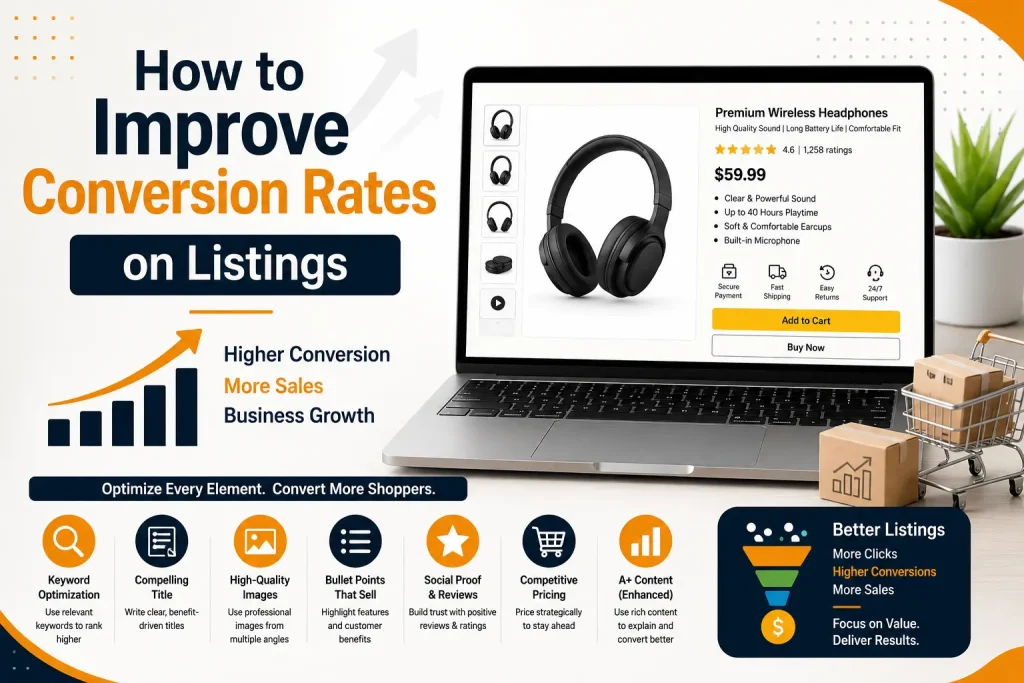
How to Improve Conversion Rates on Amazon Listings

Selling on Amazon is really tough. Many products compete for shoppers attention every day. It is essential for sellers to make every part of their product listings perfect. Getting people to visit your listing is important. Turning them into buyers is what really matters for long-term success. A optimized Amazon listing does not just help people find you it also makes them trust you and want to buy from you. Bizistech knows that doing well on Amazon requires a plan, creative ideas and making decisions based on facts. By focusing on making listings giving customers a great experience and managing stock well sellers can increase the number of people who buy from them and build a stronger brand. Understand What Conversion Rate Means The conversion rate on Amazon is the number of people who buy your product after visiting its page. A higher conversion rate means your listing is good at convincing customers that your product is the choice. Many things affect conversion rates, such as product images, titles, descriptions, price, reviews and how well you fulfill orders. Improving each of these things makes shopping and encourages more purchases. Create a Product Title That Grabs Attention Your product title is the thing customers see. It should clearly say what the product is and include search terms. A good product title should include: * Product name * Key features * Brand name * Size or quantity if it applies * Color or variation if it is relevant Don’t stuff keywords because it makes it hard to read and might discourage buyers. Invest in Good Product Images Images have an impact on buying decisions. Customers can’t see your product in person so your pictures must answer all their questions. Include: * A resolution main image * Lifestyle images * Close-up feature images * Size comparison images * Packaging photos * Images showing product benefits images make customers more confident and less hesitant to buy. Write Clear and Persuasive Bullet Points Bullet points should explain why customers should choose your product over others. Focus on: * Major benefits * Important features * Material quality * Product durability * Ease of use * Customer value of just listing specifications explain how each feature helps the customer. Build Trust with Honest Product Descriptions A detailed product description helps answer customer questions and reinforces your products value. Write naturally while explaining: * Who the product is for * How it solves customer problems * What makes it different * How customers can get the results A clear and informative description reduces uncertainty and increases buyer confidence. Optimize Pricing Strategy Price plays a role in conversion rates. While being the cheapest is not always necessary your pricing should match the value customers receive. Monitor competitor pricing regularly. Adjust when necessary. Offering discounts or limited-time promotions can also increase conversions without permanently reducing profit margins. Collect More Positive Customer Reviews Reviews provide proof that influences buying decisions. Encourage customers to leave honest feedback by providing excellent products and outstanding customer service. Respond professionally to customer concerns. Continuously improve your products based on feedback. Products with ratings and numerous reviews generally convert better than products with limited customer feedback. Improve Inventory Management Nothing hurts conversion rates faster than running out of stock. Customers who find products often purchase from competitors instead. Using a Amazon fba inventory management service helps sellers monitor stock levels forecast future demand and prevent inventory shortages. Maintaining inventory ensures your products remain available protecting both sales and search rankings. Use A Plus Content to Increase Buyer Confidence Enhanced product content provides customers with information through attractive layouts, comparison charts and detailed explanations. A Plus Content allows sellers to: * Showcase product features * Highlight brand story * Compare product variations * Answer customer questions * Demonstrate product quality Rich content creates a more professional shopping experience that often leads to higher conversion rates. Focus on Mobile Friendly Listings Many Amazon customers shop using devices. Long paragraphs and organized content may discourage mobile users. Keep content to scan with: * Short paragraphs * Language * Well-organized sections * Readable formatting A mobile-friendly listing provides a smoother shopping experience across all devices. Monitor Performance Metrics Successful Amazon sellers continuously analyze listing performance. Track metrics such as: * Conversion rate * Click-through rate * Session percentage * Return rate * Advertising performance * Customer feedback These insights help identify opportunities for improvement while measuring the effectiveness of optimization efforts. Manage Inventory for Long Term Growth Inventory management directly affects customer satisfaction and business performance. Overstocking increases storage expenses while understocking results in lost sales. Partnering with a Amazon fba inventory management service allows sellers to balance inventory levels improve forecasting and maintain healthy stock throughout seasonal demand changes. Test and Improve Listings Amazon optimization is never complete. Consumer behavior changes competitors improve their listings and marketplace trends evolve over time. Regularly test different: * Product images * Titles * Bullet points * Descriptions * Pricing strategies * Promotional offers Small improvements can produce increases, in conversion rates over time. Businesses seeking growth often combine listing optimization with professional Amazon fba inventory management service solutions to maintain product availability while maximizing sales opportunities. Why Choose Bizistech Bizistech helps Amazon sellers improve every stage of their ecommerce journey through account management listing optimization, marketplace strategy, advertising support, inventory planning and performance analysis. By combining industry expertise with data-driven decision making businesses can improve visibility strengthen customer trust and achieve conversion rates while building sustainable long-term growth.

Blog

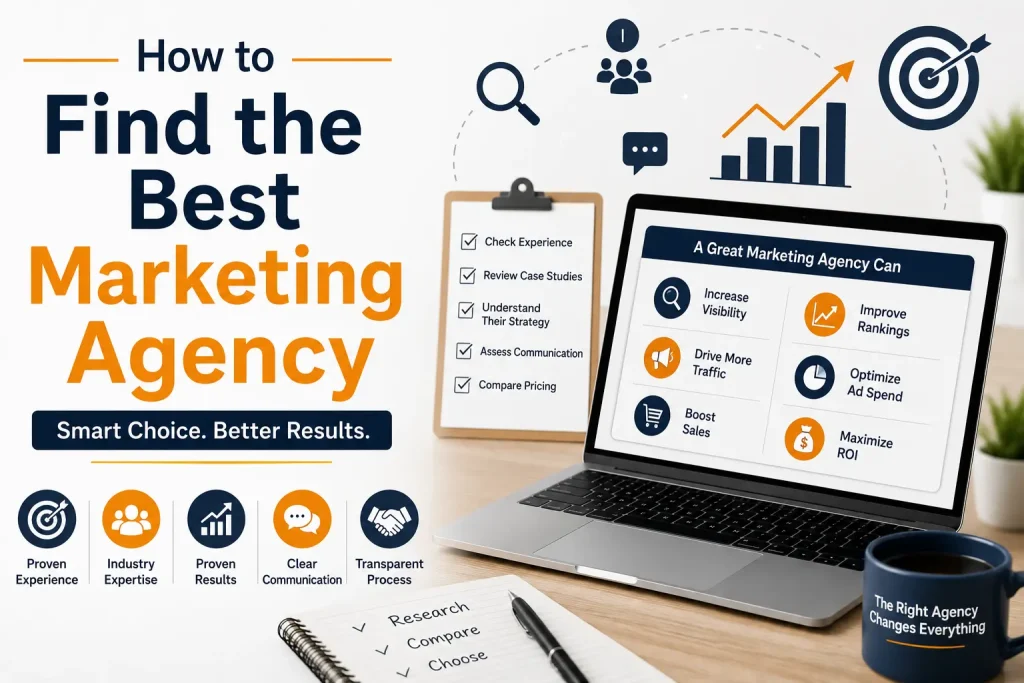
Finding The Best Amazon Marketing Agency

Selling things on Amazon is really tough these days. Every day thousands of new sellers join the marketplace, which makes it super hard for businesses to stand out from the crowd. Just listing your products is not enough to keep growing your business. You need to have a plan do some professional marketing make sure your product listings are great run good ads and always keep an eye on how things are going. This is where picking the Amazon marketing agency comes in. A good agency can really help you get visibility get more people to buy from you and make the most of the money you spend. But there are many agencies out there that offer similar services so it can be really overwhelming to choose the right one. This guide will help you figure out what’s important when you’re looking for the Amazon marketing agency for your business. Know What You Want to Achieve Before you start looking for an agency think about what you want to get out of it. Every business that sells on Amazon has goals. Some people want to launch products while others want to make their ads work better or sell their stuff in other countries. Knowing what you want helps you find an agency thats really good at what you need. Whether you want to sell stuff get your products to show up higher in search results make people more aware of your brand or just make things run more smoothly the agency you pick should get what you’re trying to do and come up with a plan that will help you grow in the long run. Look for People Who Know What They’re Doing on Amazon It really matters that the agency you pick has a lot of experience with Amazon. Amazon is always changing its rules, algorithms and ad features. Agencies that have been around for a while know how to deal with these changes and adjust their plans accordingly. Check out the agencys portfolio read stories about their clients and see what kinds of industries they’ve worked with. An agency that knows its stuff will be able to make your product listings better run your ads get your keywords to rank higher and fix any problems that come up before they become issues. An agency that knows what its doing can save you time and money by not making the mistakes that less experienced agencies might make. See What Services They Offer The best Amazon marketing agencies will offer you a package of services not just one or two things. To be successful on Amazon you need a lot of things to work together. Look for agencies that can do things like: * Manage your Amazon account * Make your product listings better * Research keywords * Run pay-per-click ad campaigns * Plan your inventory * Analyze your competitors * Come up with a brand strategy * Give you reports on how you’re doing * Help with customer support Working with one team that can do all these things will help you have a consistent plan for your whole Amazon business. Check Their Ad Expertise Amazon ads are a big way to get your products seen and sold. To run ads you need to be always looking for ways to improve not just throwing more money at them. Ask agencies how they approach running ad campaigns. A good agency should focus on getting you sales not wasting your money finding keywords that work and always looking at how their campaigns are doing. Good ad strategies can really help you make money while keeping your ad costs under control. Make Sure They’re A good Amazon marketing agency will always be open with you about what they’re doing. You should always know whats going on with your account how your ads are doing and where your money is going. Pick an agency that will give you reports that make sense. When they’re clear with you you can trust them. Make good decisions for your business. Be wary of agencies that promise you the world or say you’ll be successful away. Growing your business on Amazon takes time planning and always looking for ways to improve. Read What Other Clients Say What other clients say about an agency can tell you a lot about whether they’re reliable and good at what they do. Look for reviews that say things about how the agency communicates, solves problems and gets results. Don’t just look at the stars read the review. See if they talk about working with the agency for a time growing their business and being happy with the service. If lots of people say things it’s probably a good agency. Consider If They Know About Other Platforms A lot of businesses don’t just sell on Amazon they sell on platforms too. Picking an agency that knows about ecommerce platforms can help you grow your business in more ways. For example an agency thats good at managing Shopify stores can help you keep your brand looking the same manage your inventory and make sure your customers have an experience across all your online stores. This way you can sell on than one platform without it being too much to handle. Ask About Their Plan for Growing Your Business Every business on Amazon needs a plan thats for them. When you talk to an agency ask how they plan to make your business grow. A good agency will start by looking closely at your account then they’ll suggest ways to make it better. They should look at your listings, ads, competitors what your customers are doing, your prices and opportunities in the market. Be careful of agencies that say they’ll do the thing for every client. Every business on Amazon has its challenges and needs a plan thats tailored to them. Use Data to Make Decisions These days marketing on Amazon is about using data to make decisions. The best agencies use tools

Scroll to Top