BizisTech | No.1 Ecommerce Marketing Agency USA

#amazoninventory

Blog

Amazon Restock Inventory Best Practices

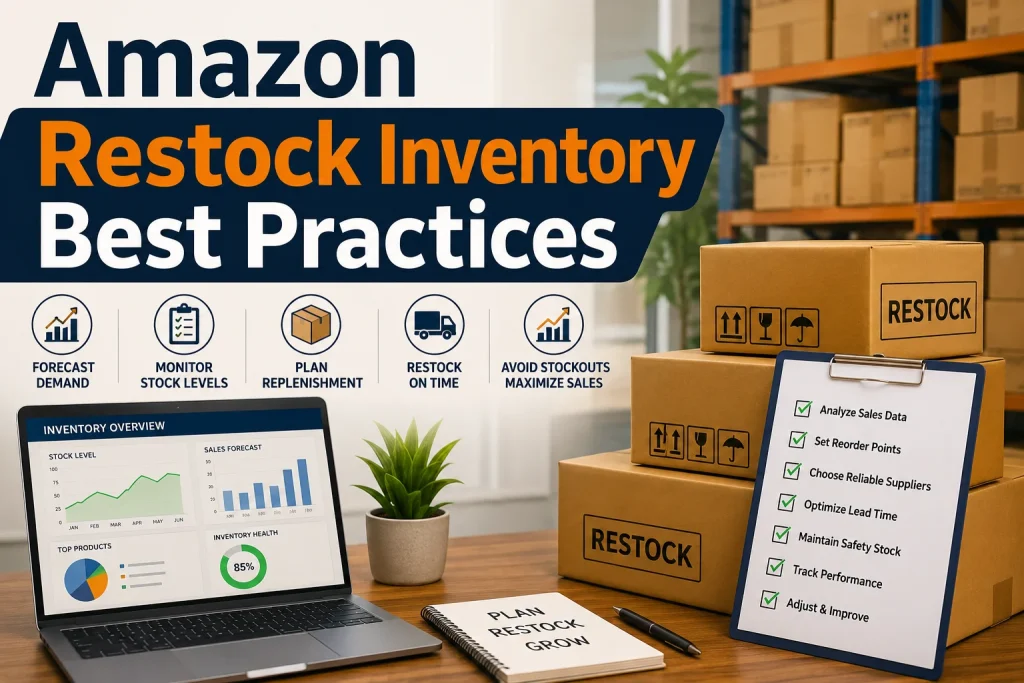
Managing inventory effectively is one of the important responsibilities for any Amazon seller. Having little stock can lead to missed sales and reduced customer satisfaction while having too much inventory can increase storage costs and tie up valuable capital. A planned restocking strategy helps sellers maintain product availability while keeping inventory costs under control. A strong inventory approach should combine sales history demand forecasting, supplier lead times, seasonal trends and ongoing performance monitoring. These principles align with Bizistech’s focus on inventory forecasting, real time tracking, replenishment planning and reducing both stockouts and overstock situations. Monitor Inventory Levels Regularly The first step toward restocking is consistent inventory monitoring. Sellers should know how many units are available how quickly products are selling and how much stock is currently in transit. Monitoring inventory frequently makes it easier to identify products that are approaching their reorder point. It also provides time to respond before inventory becomes critically low. Of waiting until a product is almost sold out sellers should establish clear stock thresholds based on average daily sales and expected replenishment time. Understand Your Sales Velocity Every product has a sales pattern. Some products may sell consistently throughout the year while others experience increases during holidays, promotions or seasonal events. Calculate the number of units sold over a specific period and compare recent performance with historical sales. If sales velocity is increasing your restocking quantity may need to increase well. Sales velocity should also be reviewed alongside advertising performance. Effective amazon ppc management can increase product visibility. Generate additional orders, which means advertising activity should be considered when estimating future inventory requirements. Calculate Reorder Points Carefully A reorder point tells you when it is time to place an inventory order. A simple approach is to consider daily sales, supplier lead time and a reasonable safety stock. For example if a product sells 20 units per day and your supplier requires 20 days to deliver you already need inventory to cover approximately 400 units of expected demand during that period. Adding safety stock provides protection against unexpected sales increases or supply delays. Maintain Safety Stock Safety stock acts as a buffer when demand changes unexpectedly. It can protect sellers from running out of inventory because of increases in orders, supplier delays, shipping problems or seasonal demand. The right safety stock level depends on the product category, sales consistency, supplier reliability and lead time. Fast selling products generally require careful safety stock planning than products with predictable and slower demand. Forecast Demand Before Restocking Restocking should not be based on current inventory levels. Sellers should look ahead. Estimate how much stock will be needed in the coming weeks or months. Review sales, seasonal patterns, upcoming promotions, market trends and changes in customer demand. Bizistech emphasizes market forecasting and data driven inventory decisions to help sellers maintain stock levels while avoiding unnecessary overstock. Demand forecasting becomes especially important before shopping periods because sales can increase significantly within a short period. Consider Advertising When Planning Inventory Advertising can directly influence product demand. Increasing advertising budgets may produce traffic and sales which can accelerate inventory depletion. For this reason sellers should connect advertising plans with inventory planning. Before increasing ad spending check whether sufficient inventory is available to support the expected increase in demand. A coordinated amazon ppc management strategy can help sellers balance advertising investment with stock and expected sales volume. Account for Supplier Lead Times Supplier lead time is one of the important factors in restocking decisions. It includes the time required to place an order, manufacture or prepare products transport them and make them available for sale. Always use lead time estimates rather than assuming suppliers will deliver on the fastest possible schedule. Delays can occur because of production issues, transportation problems, customs procedures or unexpected demand. Keeping communication with suppliers can also make replenishment planning more predictable. Avoid Overstocking Running out of stock is a problem but excessive inventory can also hurt profitability. Overstocked products can increase storage expenses. Leave capital tied up in merchandise that is not selling quickly. Review moving products regularly and identify why demand is weak. Improving the listing adjusting pricing, refining advertising or creating promotions may help move excess stock. The goal is not simply to maintain inventory. The goal is to maintain the inventory for expected customer demand. Review Inventory Performance Frequently Inventory management should be treated as a process rather than a one time task. Review sales velocity, stock levels, replenishment cycles, storage costs and product performance on a basis. Performance reports can reveal which products require attention and which products are consuming too much storage space. Bizistech also highlights real time tracking and performance reporting as elements of effective inventory management. Align Restocking With Promotions Promotions can create increases in demand. Before launching a coupon, discount or major advertising campaign calculate whether available inventory can support the expected sales increase. This becomes more important when combining promotions with amazon ppc management because paid traffic and promotional offers can work together to accelerate sales. Planning inventory before a campaign helps prevent a promotion from turning into a stockout. Create a Consistent Restocking Routine A restocking routine can make inventory management much easier. Review inventory regularly identify products approaching their reorder points check supplier lead times update demand forecasts and place replenishment orders according to expected demand. Keeping these steps reduces last minute decisions and allows sellers to react more confidently to changes in the marketplace. Use Data of Guesswork Successful inventory management depends on accurate information. Sellers should use sales history inventory reports, advertising performance, supplier information and demand trends when making replenishment decisions. Data can show whether a product is genuinely growing or simply experiencing a sales spike. It can also reveal products that appear successful but are actually becoming less profitable because of storage or advertising costs. When inventory decisions and amazon ppc management are guided by the performance data sellers can create a more balanced approach to growth. Final Thoughts Effective Amazon restocking is

Blog

Amazon Inventory Forecasting Guide

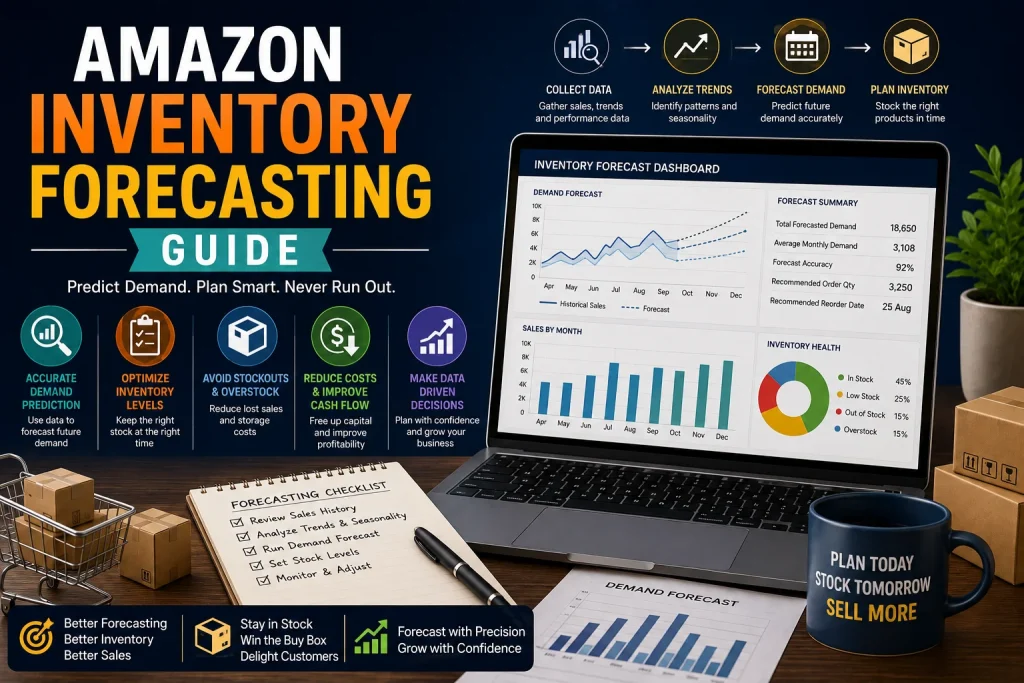
Managing inventory successfully is one of the most important parts of running an Amazon business. Having too little stock can lead to missed sales while having too much stock can tie up money and increase storage related expenses. Amazon inventory forecasting helps sellers estimate future demand and make better decisions about when to reorder products and how much stock to keep available. A strong forecasting process allows sellers to move away from guesswork and build a more organized approach to inventory management. By studying sales patterns customer demand seasonal changes and supplier lead times sellers can prepare their inventory before problems occur. What Is Amazon Inventory Forecasting Amazon inventory forecasting is the process of predicting how much inventory a product may need in the future. The goal is to maintain enough stock to meet customer demand without purchasing unnecessary quantities. Forecasting normally involves reviewing previous sales performance current inventory levels sales velocity supplier lead times and expected changes in demand. When these factors are considered together sellers can create a more realistic inventory plan. Why Inventory Forecasting Matters Inventory problems can affect almost every part of an Amazon business. A product that goes out of stock may lose potential sales and momentum. On the other hand excess inventory can consume valuable capital and make it harder to invest in products that are performing better. Accurate forecasting helps sellers maintain a healthier balance between available stock and expected demand. It also makes purchasing decisions more predictable and allows sellers to prepare for periods when sales are likely to increase. Important Data for Inventory Forecasting Historical sales data is one of the most useful sources for forecasting. Sellers should examine how many units a product sells over different periods rather than relying on one short period of performance. Sales velocity is another important factor. Understanding the average number of units sold each day can help sellers estimate how quickly available inventory may be used. Supplier lead time should also be considered. If production shipping and receiving take several weeks sellers need to place orders early enough to prevent inventory shortages. Seasonality is equally important. Some products experience strong demand during holidays special events or particular times of the year. Ignoring these patterns can result in inaccurate forecasts. How to Calculate Future Inventory Needs A simple forecasting approach starts with average daily sales. Sellers can estimate how many units are normally sold each day and then multiply that number by the expected replenishment period. For example a product selling twenty units per day would require around six hundred units for thirty days of expected demand. Sellers should then consider safety stock to protect against unexpected increases in demand or delays in replenishment. The exact amount of safety stock depends on product demand supplier reliability and the seller’s overall business strategy. The objective is to create enough protection without turning the safety stock into unnecessary excess inventory. Using Amazon Data for Better Decisions Amazon provides inventory related information that can help sellers understand product performance and stock requirements. Sellers can review sales history inventory levels sell through performance and other available inventory indicators when making replenishment decisions. These insights become more useful when reviewed regularly. Inventory forecasting should not be treated as a one time activity because customer demand and business conditions can change quickly. The Role of Amazon Product Hunting service Amazon Product Hunting service can support inventory planning by helping sellers identify products and market opportunities with stronger potential. When a seller understands the demand characteristics of a product before investing heavily in inventory it becomes easier to build a realistic purchasing strategy. Amazon Product Hunting service can also help sellers evaluate product trends competition and market demand before committing to large quantities. This information can complement historical sales data when planning inventory for new products that do not yet have a long sales history. For established products Amazon Product Hunting service can provide additional market insight that may help sellers recognize changing demand patterns and adjust their inventory strategy accordingly. How to Manage Seasonal Demand Seasonal demand can make inventory forecasting more challenging. A product that normally sells at a steady rate may experience a major increase during holidays or promotional periods. Sellers should study previous seasonal performance whenever historical data is available. They should also consider upcoming promotions changes in pricing and market trends that could influence customer demand. Preparing inventory early is usually better than waiting until sales begin increasing. Production and shipping can take time so sellers need to consider the entire replenishment cycle before a seasonal period begins. Avoiding Overstock Overstocking may appear safer than running out of inventory but excessive stock can create its own problems. Money becomes tied up in products that may take a long time to sell and storage related expenses can increase. The solution is not simply to keep inventory as low as possible. Sellers should aim for an appropriate stock level based on expected demand replenishment time and business objectives. Regular forecasting allows sellers to identify slow moving products earlier and make better purchasing decisions before excess inventory becomes a major problem. Avoiding Stockouts Stockouts can happen when sellers wait too long before placing a new order. Even if a product is currently selling well there may be a significant delay between ordering from a supplier and making the new inventory available for customers. A reliable forecasting process helps sellers identify when existing inventory may reach a critical level. Reordering before inventory becomes dangerously low gives sellers more time to handle production shipping and receiving delays. Forecasting for New Products New products create a different challenge because there may not be enough historical sales information available. Sellers can use market research competitor performance expected demand and product launch plans to create an initial forecast. The first forecast should be treated as an estimate rather than a fixed prediction. Once real sales data becomes available sellers can compare actual performance with the original expectations and adjust future inventory orders. Amazon Product

Blog

How Much Should a Small Business Budget for Amazon Growth?

Growing an Amazon business is really exciting for businesses but it is very rare to be successful without careful financial planning. A lot of sellers only think about the cost of their products and forget about the money they need to spend to build a store that makes a profit. If you have a budget you can avoid running out of money do better and stay competitive in a crowded market. Successful Amazon sellers know that every dollar they spend should help their business grow in the run. They think about everything from planning their inventory to advertising and managing their account because all of these things help increase sales and build a brand that people trust. Companies like Bizistech help sellers come up with plans to grow their business that make the most of their money and avoid wasting it. Start With Product and Inventory Costs The first thing you need to think about is the cost of your products and inventory. This is usually the expense for a small business. You do not want to order much stock at first but you also want to make sure you have enough products for your customers. When you plan your inventory you need to think about * Product manufacturing * Shipping expenses * Packaging * Customs and import charges * Storage costs * Safety stock for demand A lot of growing brands also pay for an Amazon fba inventory management service to keep their inventory at a healthy level and avoid running out of stock. If you manage your inventory properly you can avoid losing sales and paying extra for storage. Budget for Professional Listing Optimization Your product listing is very important because it affects how visible your product is and how many people buy it. Even if you have a product it might not do well if your listing is not good. When you budget for your listing you might want to include * High quality product photography * Keyword research * Product titles * Bullet points * Product descriptions * Enhanced brand content If your listings are optimized customers will trust you more. You will do better in search results over time. Allocate Funds for Advertising Advertising is a way to get people to notice your new products. Small businesses should think of advertising as a way to invest in their business not an expense. A lot of sellers put aside some of their monthly revenue for advertising to * Get more people to see their products * Get reviews from customers * Do in search results * Get consistent traffic * Sell products As your sales grow and your advertising campaigns do better you can spend more money on advertising. Include Account Management Costs You need to pay attention to your Amazon store every day. If you check on it every day you can find problems before they affect your sales. When you pay for account management you might get * Performance monitoring * Listing improvements * Customer support * Policy compliance * Competitor analysis * Growth planning Bizistech can help you with account management so you can focus on growing your business while they take care of the day-to-day work. Plan for Inventory Management If you make mistakes with your inventory it can cost you a lot of money. If you have much stock you will pay more for storage and if you do not have enough you will lose sales and your rankings will go down. If you pay for an Amazon fba inventory management service you can * Forecast what you will sell in the future * Track your inventory * Schedule when you need to restock * Get rid of inventory * Avoid running out of stock If you plan your inventory well you can grow your business consistently. Keep your profits high. Set Aside Money for Business Growth Growing your business on Amazon is not about selling the products you already have. You should also budget for opportunities to expand your business. You might want to invest in * Launching products * Selling on marketplaces * Building your brand * Better packaging * Making your customers happier * Researching the market If you invest a money every month in growing your business you can get big returns in the long run. Build an Emergency Reserve Every ecommerce business will have problems. There might be shipping delays, problems with suppliers changes in what customers want or fluctuations in sales during times of the year. If you have some money set aside you can respond quickly to problems without interrupting your business. Having some money also gives you the freedom to take advantage of good opportunities when they come up. Use Data to Guide Spending businesses regularly check their financial performance instead of just guessing. You should look at * How much you are selling * How profit you are making * How well your advertising is doing * How quickly you are selling your inventory * How happy your customers are * How many people are buying from you If you make decisions based on data you can spend your money where it will do the good. When Professional Support Becomes Valuable As your sales grow it gets harder to manage every part of your Amazon business. Getting help from professionals can help you avoid making mistakes and find new opportunities to grow. Bizistech can help you with everything from managing your account to optimizing your marketplace, advertising and operations so you can grow your business efficiently. As your product catalog grows and your inventory gets more complicated it becomes more valuable to have an Amazon fba inventory management service. Final Thoughts There is no one budget that works for every business but if you plan carefully you can build a strong foundation for growing your business on Amazon. Your budget should include money, for inventory listing optimization, advertising, account management, operations and future expansion.

Scroll to Top