
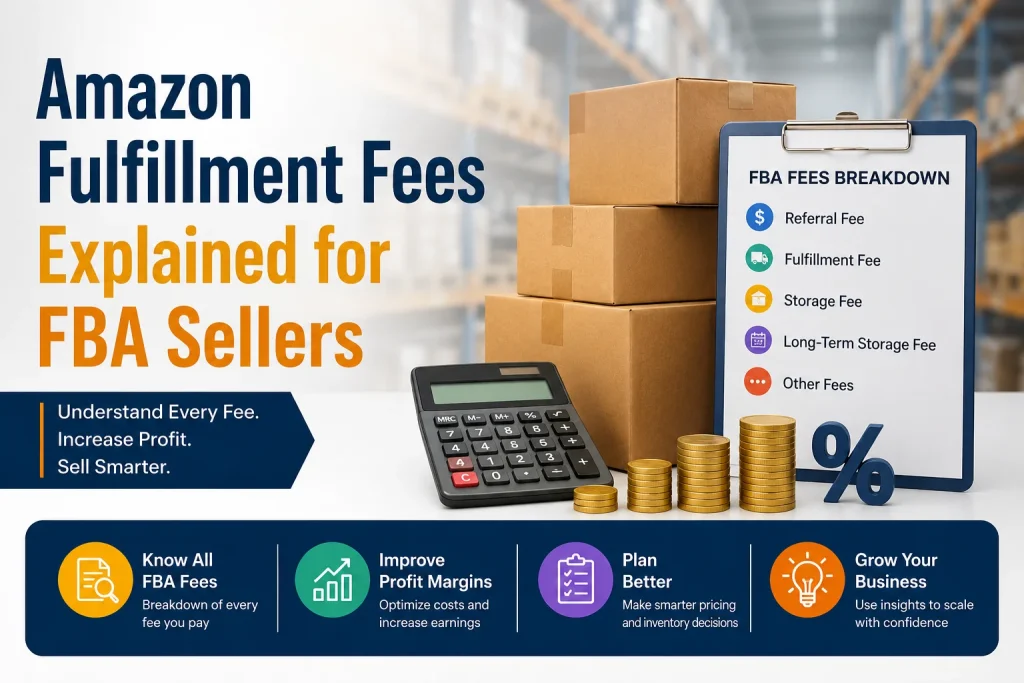
Amazon Fulfillment Fees Explained for FBA Sellers
Selling through Fulfillment by Amazon is one of the ways to grow an ecommerce business. Amazon stores your inventory packs customer orders, ships products and even manages customer service and returns. While this saves sellers an amount of time it also comes with fulfillment fees that directly affect profitability. Understanding these charges is essential for every FBA seller who wants to maximize revenue and avoid expenses. Businesses like Bizistech help sellers understand these costs while providing support through an amazon account management agency that focuses on improving performance and reducing unnecessary expenses. What Are Amazon Fulfillment Fees Amazon fulfillment fees are the charges sellers pay for the services Amazon provides after a customer places an order. These services include picking the product from the warehouse packing it shipping it handling customer service and processing returns. The fee charged for each product depends mainly on its size, weight and category. Larger or heavier products generally cost more to fulfill than lightweight products. Amazon regularly updates its fee structure making it important for sellers to review costs before launching products. Main Types of FBA Fees Understanding every fee helps sellers calculate profit margins. Fulfillment Fee This is the cost of using FBA. It covers order picking, packing, shipping and customer support. The fee varies based on product dimensions and shipping weight. Monthly Storage Fee Amazon charges sellers for storing inventory inside its fulfillment centers. Products that occupy warehouse space will have higher storage costs. Storage fees also increase during peak shopping seasons. Aged Inventory Surcharge Inventory that remains unsold for a period can incur additional charges. Slow moving products reduce warehouse efficiency so Amazon encourages sellers to maintain inventory levels. Removal and Disposal Fees If products need to be removed from Amazon warehouses or disposed of sellers pay a service fee. These charges make inventory planning an important part of running an Amazon business. How Fulfillment Fees Affect Profit Margins Many new sellers focus on product cost and selling price. However fulfillment fees can significantly reduce profit if they are not included in pricing calculations. For example two products with selling prices may generate completely different profits simply because one product is larger or heavier than the other. Even a small increase in fulfillment costs can impact profitability when selling thousands of units each month. Carefully reviewing fees before sourcing products helps sellers make purchasing decisions. Ways to Reduce Amazon Fulfillment Fees Although fulfillment fees cannot be avoided sellers can reduce their impact by following best practices. Choose compact product packaging that reduces shipping weight. Maintain inventory levels to avoid long term storage charges. Monitor selling products and remove inventory before additional fees apply. Optimize product dimensions whenever possible. Review Amazon fee updates regularly before launching products. These simple strategies can improve profit margins without sacrificing customer experience. Why Inventory Management Matters Good inventory management helps sellers avoid storage costs while keeping products available for customers. Ordering inventory can increase warehouse charges while ordering too little may result in stock shortages and lost sales. Successful sellers monitor sales trends. Replenish inventory based on demand forecasts rather than guesswork. Working with an amazon account management agency can simplify inventory planning by analyzing sales data and identifying opportunities to reduce unnecessary costs. Calculating Your Real Product Cost Successful Amazon sellers calculate every expense before setting product prices. Your total product cost should include Product manufacturing cost Shipping from supplier Import duties Amazon referral fees Amazon fulfillment fees storage fees Advertising expenses Packaging costs Return related expenses Including every cost provides a realistic view of your expected profit and prevents unpleasant surprises after products begin selling. Common Mistakes FBA Sellers Make Many sellers unintentionally reduce profits because they overlook details. Ignoring fulfillment fees during product research Sending inventory to Amazon warehouses Choosing oversized packaging Keeping slow moving inventory too long Not reviewing updated fee schedules Avoiding these mistakes can significantly improve long term profitability. Why Professional Account Management Helps Running an Amazon business involves more than listing products. Inventory planning, pricing strategy, advertising, listing optimization and fee management all require attention. A professional amazon account management agency helps sellers monitor performance improve efficiency and identify ways to reduce unnecessary expenses. Of reacting to higher costs experienced account managers develop strategies that protect profit margins while supporting long term business growth. Companies like Bizistech provide account management services that help sellers optimize operations improve product performance and make better financial decisions without unnecessary complexity. Final Thoughts Amazon FBA offers convenience for online sellers but understanding fulfillment fees is essential, for maintaining healthy profits. Every fulfillment, storage and inventory related charge affects your line. By learning how these fees work optimizing inventory management and reviewing product costs sellers can make smarter business decisions and improve overall profitability.

