BizisTech | No.1 Ecommerce Marketing Agency USA

#AmazonFBA

Blog

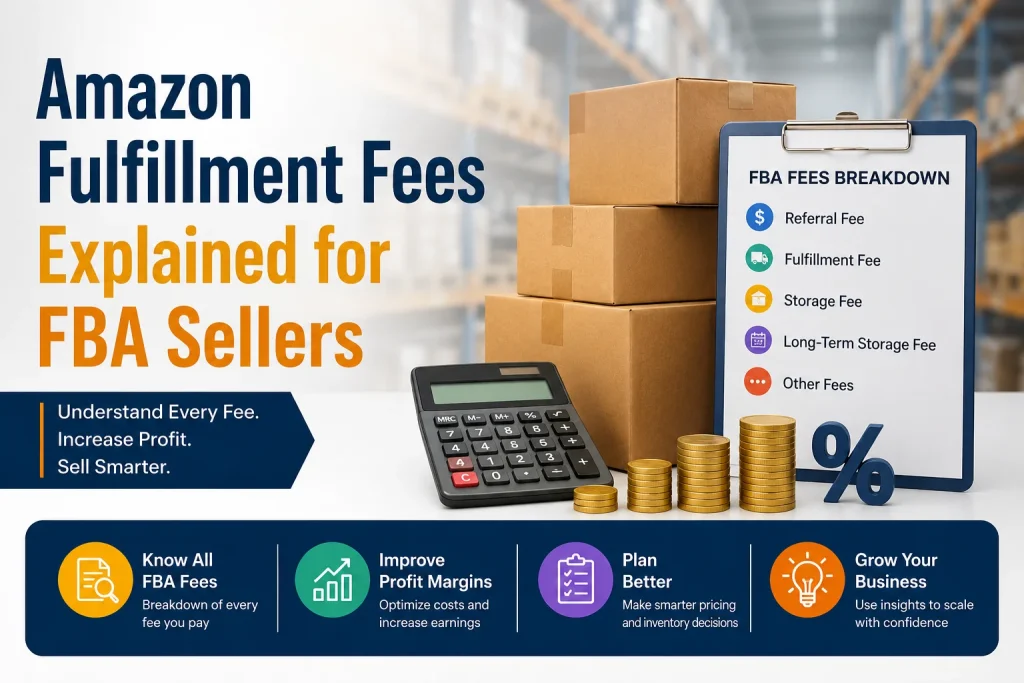
Amazon Fulfillment Fees Explained for FBA Sellers

Selling through Fulfillment by Amazon is one of the ways to grow an ecommerce business. Amazon stores your inventory packs customer orders, ships products and even manages customer service and returns. While this saves sellers an amount of time it also comes with fulfillment fees that directly affect profitability. Understanding these charges is essential for every FBA seller who wants to maximize revenue and avoid expenses. Businesses like Bizistech help sellers understand these costs while providing support through an amazon account management agency that focuses on improving performance and reducing unnecessary expenses. What Are Amazon Fulfillment Fees Amazon fulfillment fees are the charges sellers pay for the services Amazon provides after a customer places an order. These services include picking the product from the warehouse packing it shipping it handling customer service and processing returns. The fee charged for each product depends mainly on its size, weight and category. Larger or heavier products generally cost more to fulfill than lightweight products. Amazon regularly updates its fee structure making it important for sellers to review costs before launching products. Main Types of FBA Fees Understanding every fee helps sellers calculate profit margins. Fulfillment Fee This is the cost of using FBA. It covers order picking, packing, shipping and customer support. The fee varies based on product dimensions and shipping weight. Monthly Storage Fee Amazon charges sellers for storing inventory inside its fulfillment centers. Products that occupy warehouse space will have higher storage costs. Storage fees also increase during peak shopping seasons. Aged Inventory Surcharge Inventory that remains unsold for a period can incur additional charges. Slow moving products reduce warehouse efficiency so Amazon encourages sellers to maintain inventory levels. Removal and Disposal Fees If products need to be removed from Amazon warehouses or disposed of sellers pay a service fee. These charges make inventory planning an important part of running an Amazon business. How Fulfillment Fees Affect Profit Margins Many new sellers focus on product cost and selling price. However fulfillment fees can significantly reduce profit if they are not included in pricing calculations. For example two products with selling prices may generate completely different profits simply because one product is larger or heavier than the other. Even a small increase in fulfillment costs can impact profitability when selling thousands of units each month. Carefully reviewing fees before sourcing products helps sellers make purchasing decisions. Ways to Reduce Amazon Fulfillment Fees Although fulfillment fees cannot be avoided sellers can reduce their impact by following best practices. Choose compact product packaging that reduces shipping weight. Maintain inventory levels to avoid long term storage charges. Monitor selling products and remove inventory before additional fees apply. Optimize product dimensions whenever possible. Review Amazon fee updates regularly before launching products. These simple strategies can improve profit margins without sacrificing customer experience. Why Inventory Management Matters Good inventory management helps sellers avoid storage costs while keeping products available for customers. Ordering inventory can increase warehouse charges while ordering too little may result in stock shortages and lost sales. Successful sellers monitor sales trends. Replenish inventory based on demand forecasts rather than guesswork. Working with an amazon account management agency can simplify inventory planning by analyzing sales data and identifying opportunities to reduce unnecessary costs. Calculating Your Real Product Cost Successful Amazon sellers calculate every expense before setting product prices. Your total product cost should include Product manufacturing cost Shipping from supplier Import duties Amazon referral fees Amazon fulfillment fees storage fees Advertising expenses Packaging costs Return related expenses Including every cost provides a realistic view of your expected profit and prevents unpleasant surprises after products begin selling. Common Mistakes FBA Sellers Make Many sellers unintentionally reduce profits because they overlook details. Ignoring fulfillment fees during product research Sending inventory to Amazon warehouses Choosing oversized packaging Keeping slow moving inventory too long Not reviewing updated fee schedules Avoiding these mistakes can significantly improve long term profitability. Why Professional Account Management Helps Running an Amazon business involves more than listing products. Inventory planning, pricing strategy, advertising, listing optimization and fee management all require attention. A professional amazon account management agency helps sellers monitor performance improve efficiency and identify ways to reduce unnecessary expenses. Of reacting to higher costs experienced account managers develop strategies that protect profit margins while supporting long term business growth. Companies like Bizistech provide account management services that help sellers optimize operations improve product performance and make better financial decisions without unnecessary complexity. Final Thoughts Amazon FBA offers convenience for online sellers but understanding fulfillment fees is essential, for maintaining healthy profits. Every fulfillment, storage and inventory related charge affects your line. By learning how these fees work optimizing inventory management and reviewing product costs sellers can make smarter business decisions and improve overall profitability.
Blog

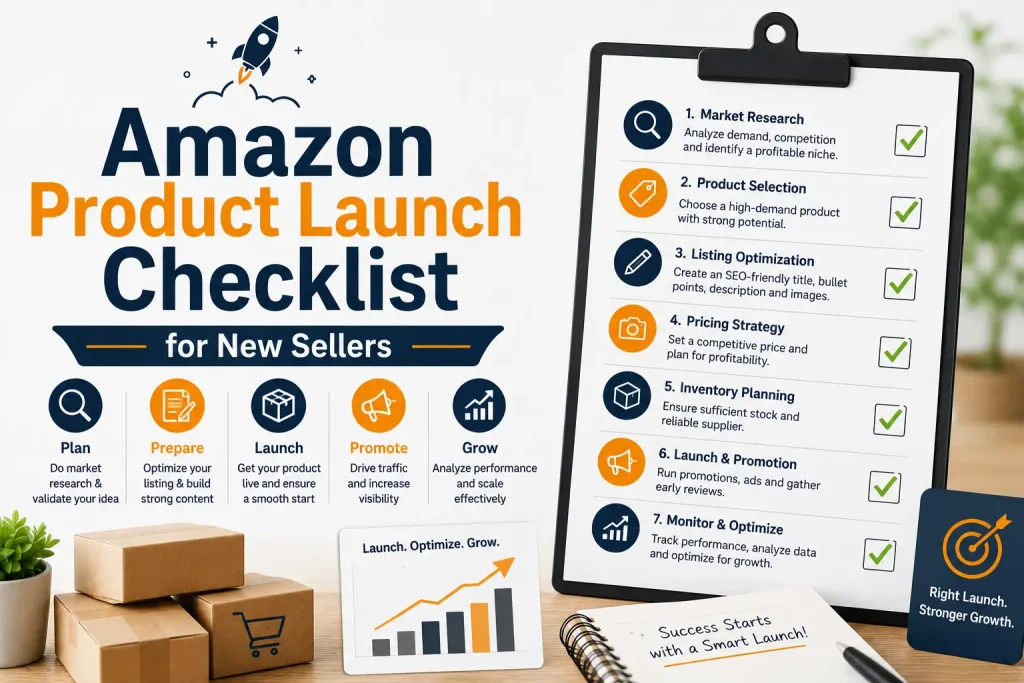
Amazon Product Launch Checklist For New Sellers

Launching your product on Amazon is really exciting but to be successful you need to do a lot more than just create a listing and wait for people to buy it. Every successful launch starts with planning looking at what people want making sure your product page is great and having a clear plan for marketing. New sellers who get ready properly are more likely to get noticed gain trust with customers and make money in the run. This complete Amazon product launch checklist will help new sellers understand every step before introducing a product to the marketplace. By following these proven practices you can avoid mistakes and build a strong foundation for future growth. Start with Thorough Product Research Every successful launch begins with choosing the product. Before investing in inventory spend time looking at what customers want who your competition is and how much people are willing to pay. Ask yourself these questions before making your decision: Is there a consistent demand for this product throughout the year? Can this product make a profit? Are other sellers leaving room for improvement? Can your product solve a customer problem better than what is already out there? Choosing a product that has a market potential really improves your chances of building a successful Amazon business. Understand Your Target Audience Knowing who will buy your product helps you create listings that connect with customers. Research your audience by looking at: The age group of your customers How they shop What problems they have What features they like How much they are willing to pay The better you understand your customers the easier it is to write product descriptions that work and create marketing campaigns that turn visitors into buyers. Source High Quality Inventory Your supplier plays a role in making sure customers are happy. Choose manufacturers that consistently provide products and reliable delivery schedules. Before placing orders: Request product samples Check the quality of the product Make sure the packaging is good Verify when the products will be made Negotiate the price Maintaining consistent product quality helps reduce returns and increase positive customer reviews. Create a Professional Amazon Seller Account Before launching your product make sure your seller account is fully set up. Complete your business information, payment settings, tax details, shipping preferences and account verification. Having a set up account helps prevent unnecessary delays during the launch process. Optimize Your Product Listing A optimized listing increases visibility and improves conversion rates. Your listing should include: A title that uses keywords High-quality product images Detailed bullet points A clear product description Relevant backend keywords Accurate product specifications Professional listings help customers quickly understand the value of your product while improving your search visibility. Develop High Quality Product Images Images often influence purchasing decisions than what is written. Use photographs that show: The front of the product The side of the product Close-up details The size of the product How the product is used The packaging High-resolution images build customer confidence and improve conversion rates. Set Competitive Pricing Pricing your product correctly is essential during launch. Research competing products. Decide what your goal is: To get quick sales To get customer reviews To increase profit margins To gain market share Competitive introductory pricing often encourages purchases while helping improve product rankings. Prepare Your Inventory Running out of stock during a launch can hurt your rankings and customer trust. Estimate your expected sales. Make sure you have enough inventory before your advertising campaigns start. Check your inventory levels every day during the launch period to avoid interruptions. Plan Your Marketing Strategy Launching without marketing often leads to slow sales. Develop a promotional strategy that may include: Amazon advertising Email marketing Social media promotion Partnering with influencers Content marketing External traffic campaigns Many experienced ecommerce businesses also expand beyond Amazon by using Walmart account management, which helps them build multiple revenue channels and increase brand exposure. Launch Amazon Advertising Campaigns Amazon advertising helps generate visibility immediately after your product’s available. Start with managed campaigns targeting relevant keywords. Check metrics including: Click-through rate Advertising cost Conversion rate Sales performance Search term relevance Continuous optimization improves advertising performance while reducing wasted spending. Encourage Customer Reviews Customer reviews build trust and improve conversion rates. Always follow Amazon policies when asking for feedback. Focus on delivering customer experiences that naturally encourage positive reviews. Fast shipping, listings and responsive customer service all contribute to stronger review performance. Monitor Product Performance Daily Launching is the beginning. Check performance indicators such as: Sales growth Organic keyword rankings Advertising performance Inventory levels Customer feedback Conversion rates Looking at these metrics helps identify opportunities for improvement while preventing small issues from becoming bigger problems. Improve Listings Based on Customer Feedback Customer questions and reviews provide insights. If buyers repeatedly ask about features update your listing to answer those questions. Continuous optimization keeps your listing relevant. Improves customer satisfaction over time. Expand Your Brand Presence After your successful launch start building a recognizable brand. Focus on: Consistent branding Professional packaging Excellent customer support Expanding your product line Engaging with repeat customers Many growing ecommerce businesses eventually diversify into marketplaces through Walmart account management, which allows them to reach new audiences while reducing dependence on a single platform. Stay Updated with Amazon Policies Amazon frequently updates its policies and seller requirements. Regularly reviewing policy changes helps protect your account and prevents compliance issues. Understanding marketplace guidelines also improves your ability to compete effectively in changing market conditions. Build a Long Term Growth Strategy Successful Amazon businesses focus on growth rather than short-term wins. Keep improving your: Product listings Advertising campaigns Inventory forecasting Customer experience Brand reputation Many professional ecommerce agencies also recommend combining Amazon growth with Walmart account management to strengthen marketplace performance and create additional sales opportunities across multiple platforms. Final Thoughts Launching your Amazon product requires careful preparation, consistent execution and ongoing optimization. Every step, from product research and inventory planning, to listing optimization and advertising contributes to long-term success. To really

Blog

Amazon FBA vs FBM: Which Is Better for Your Business

Selling things on Amazon is a way to build an online business. But when you start you have to make a decision: do you use Amazon FBA or Amazon FBM? Both ways of getting your products to customers have things about them and choosing the right one can really affect how much money you make how happy your customers are and how well your business grows in the long run. You need to understand what makes FBA and FBM different so you can pick the one that works best for your business and what you can handle. What Is Amazon FBA Amazon FBA means you send your products to Amazons warehouses. Then Amazon takes care of storing them packing them up shipping them helping customers and handling returns for you. A lot of sellers like FBA because it lets them automate a lot of their work and focus on making their business bigger. Benefits of Amazon FBA Faster Shipping and Prime Eligibility When you use FBA your products can be part of Amazon Prime, which’s really attractive to customers who want their things fast. You also have work to do because Amazon handles a lot of the logistics, shipping and customer support. This means you have time to find new products market your business and make it grow. Your products are more likely to be the choice when customers are shopping because Amazon trusts its own way of getting products to customers. As your business grows Amazon can handle orders without you needing to get more warehouse space or hire more people. What Is Amazon FBM Amazon FBM means you are in charge of storing your products packing orders shipping them helping customers and handling returns. FBM gives you control over your business and can be cheaper for some sellers. Benefits of Amazon FBM You Have Control You get to decide how your products are stored, packed and shipped. You might save money on fees because you do not have to pay Amazon to handle your products. You can store your products wherever you want and use shipping companies. You can make your packaging special. That helps people remember your brand. Comparing Amazon FBA and FBM How Much It Costs FBA costs include storing products getting them to customers and other services. These costs can add up. They also mean you have less work to do. FBM means you do not pay Amazon fees. You have to pay for storing products people to help, shipping materials and customer support. What Customers Think FBA makes it easy for customers to get their products fast and trust that they will be taken care of. FBM is only as good as you are at getting products to customers and helping them. Storing Products FBA means you have to plan so you do not store products for too long or run out. FBM means you have freedom to store products how you want. Growing Your Business FBA can help your business grow fast because Amazon handles getting products to customers. FBM can also work well. You have to be ready to handle more orders and get more help when you need it. When Amazon FBA Is the Better Choice FBA is usually better for sellers who want to focus on marketing and making their business bigger sell fast moving products need to be part of Amazon Prime do not have a lot of warehouse space and want Amazon to handle customer service and returns. Businesses that work with people who help them manage their Shopify store often choose FBA because it makes things simpler and lets them focus on selling in places online. When Amazon FBM Is the Better Choice FBM might be better for sellers who sell heavy products already have a warehouse want to be in charge of getting products to customers need special packaging and want to save money on Amazon fees. Many businesses that work with Shopify store managers use FBM when they already have a system for getting products to customers and want to make money. Can You Use Both FBA and FBM Yes you can. A lot of Amazon sellers use both FBA and FBM. They might use FBA for products that sell fast and FBM for products or ones that are only sold sometimes. This way you can be flexible. Avoid problems like not having enough products or paying too much to store them. A Shopify store management agency can help you make a plan that uses both FBA and FBM in a way that works for your business. Things to Think About Before You Choose Before you pick FBA or FBM think about these things: how big and heavy your productsre how much money you make on each product, where you will store your products how many orders you get what customers expect, what you can handle and what you want your business to look like in the long run. Every business is different so you need to choose the fulfillment model that works best for you. Final Thoughts There is no one answer to whether Amazon FBA or FBM’s better. FBA is good for sellers who want things to be easy and automated and want to be part of Amazon Prime. FBM is good for sellers who want to be, in charge and can handle getting products to customers on their own.

Blog

Best Amazon Launch Experts for New Products

Launching a product on Amazon is a big deal for any seller who wants to build a successful brand. If you do it right you can get more people to notice your product sell more and get rankings.. If you do not have a good plan your product may not do well and you will miss out on chances to grow. This is why a lot of sellers work with Amazon launch experts who know the marketplace and can help you make your product successful. Why Product Launch Expertise Matters There are a lot of products on Amazon and more are being added every day. To stand out you need a plan that includes looking at the market picking the right keywords making a good listing running ads planning your inventory and talking to your customers. Amazon launch experts know how the platform works and can make a plan to help your product get noticed quickly. They can help you avoid making mistakes and get the most out of your money. Key Services Offered by Amazon Launch Experts The best Amazon launch experts offer a lot of services to help you launch your product. These services include: * Product Research and Market Analysis Before you launch your product experts look at the market to find opportunities and see what your competition is doing. This helps you make decisions and pick products that will do well. * Listing Optimization A good product listing is important if you want people to notice your product and buy it. Launch experts make sure your title, bullet points, description and keywords are all good and will help people find your product. * Advertising Campaign Management Running ads is a part of launching a product. Experts make ads that will get people to your product sell more and improve your rankings over time. * Inventory Planning and Management A lot of people forget about inventory when they launch a product.. If you run out of stock it can hurt your rankings and sales. Many sellers work with an Amazon fba inventory management service to make sure they have enough products during the launch. Benefits of Working with Experienced Launch Specialists Working with launch experts can help you in a lot of ways. You can get your product noticed faster sell more and get rankings. * Faster Product Visibility Experienced launch experts know how to get your product noticed quickly. They use keywords and ads to get your product in front of people who might want to buy it. * Improved Sales Performance A good launch plan can help you sell more during the stages of your products life. * Better Ranking Opportunities Amazon likes products that sell well and have a lot of engagement. Launch experts help you get rankings and stay visible over time. * Reduced Operational Challenges Launching a product can be overwhelming. You have to manage your inventory, ads and listings all at the time.. If you work with a trusted Amazon fba inventory management service you can focus on growing your business and not worry about running out of stock. What Makes the Best Amazon Launch Experts Different Not all launch experts are the same. The best ones use data and experience to make plans that work. They watch how your product is doing and make changes to your ads and listings to make them better. They can handle a lot of things at the time which makes the launch process more efficient and helps you succeed in the long run. Many of them also work with an Amazon fba inventory management service to make sure you have enough stock to meet demand. Choosing the Right Amazon Launch Partner When you are looking for an Amazon launch expert you should look for someone who can help you with everything, not one thing. They should know about product research listing optimization, advertising, inventory management and brand development. You should also look for someone who’s good at talking to you and being transparent. They should have experience. Be able to make a plan that fits your business goals. It is also an idea to work with someone who has a good Amazon fba inventory management service. This can help you keep your inventory healthy and avoid running out of stock during the launch. Final Thoughts Launching a product, on Amazon takes a lot of planning and work. The best Amazon launch experts can help you navigate the marketplace and get visibility, sales and profit.

Scroll to Top