BizisTech | No.1 Ecommerce Marketing Agency USA

#amazoncompliance

Blog

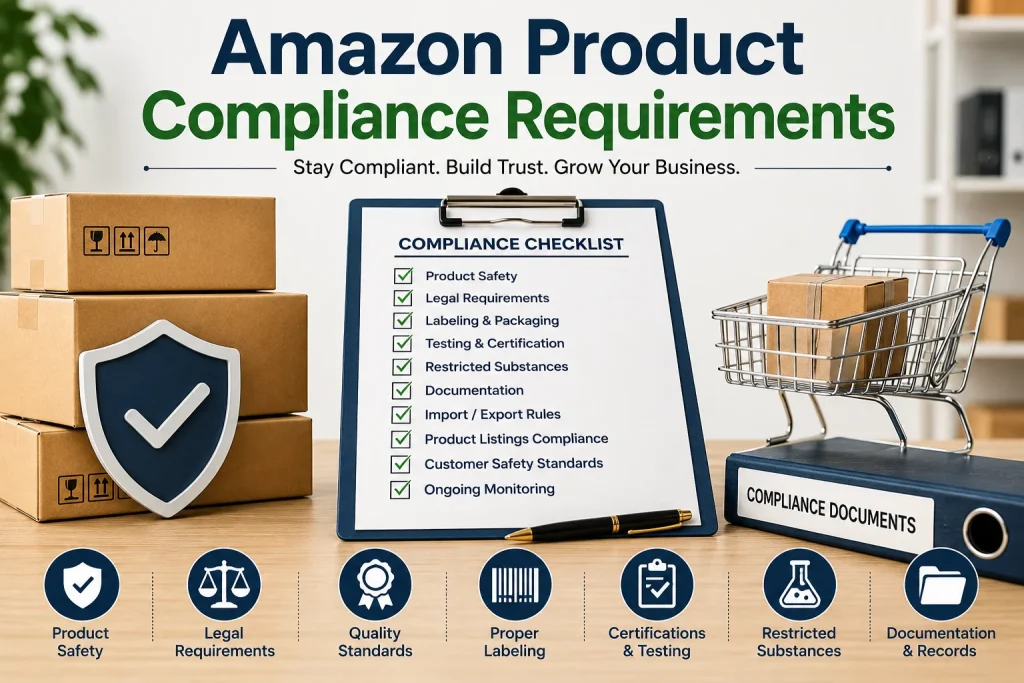
Amazon Product Compliance Requirements

Selling products successfully on Amazon requires more than creating listings and setting competitive prices. Sellers must also make sure their products meet safety standards, regulatory requirements and marketplace policies. Product compliance is especially important because Amazon may require supporting documents before certain products can be listed or remain available for sale. A strong compliance process protects customers reduces listing interruptions and helps sellers build a reliable ecommerce business. Understanding the requirements before launching a product can save time prevent unexpected costs and reduce the risk of compliance problems. Why Product Compliance Matters Product compliance confirms that an item is suitable for sale and meets the rules that apply to its category and selling market. Requirements can vary depending on the product its materials, intended use, destination country and applicable regulations. Amazon can request documentation to verify product safety and compliance. For products to specific compliance requirements required documentation may need to be submitted and approved before a new listing can become available. This makes compliance an important part of product planning than something sellers should address after receiving a warning. Identify Requirements Before Launch One of the effective ways to avoid compliance delays is to research requirements before purchasing inventory. Sellers should identify the regulations that apply to their product and determine what evidence may be required. Depending on the product documentation may include safety reports, certificates, test results, product specifications, labeling information or other regulatory records. Research should also consider the marketplace where the product will be sold. Requirements can differ between countries so a product that meets requirements in one market may need documentation before being sold elsewhere. Keep Product Documentation Organized Compliance documents should be accurate, current and easy to locate. Sellers should maintain records for every product and make sure the information matches the actual item being sold. Important details such as product model numbers, manufacturer information, testing information, product specifications and labeling should remain consistent across documentation and listings. Poor record keeping can create delays when Amazon requests verification. A structured documentation system makes it easier to respond and provide appropriate evidence. Pay Attention to Product Testing Some product categories require testing, inspection or certification through approved providers. Amazon has stated that certain categories, including supplements, childrens toys and e mobility products may be subject to testing, inspection and certification requirements. For products sellers should plan testing early because the process can take time. Amazon currently states that testing typically takes thirty days after the provider receives samples for certain compliance processes. Planning ahead helps sellers avoid launching inventory before the necessary compliance process is complete. Review Labels and Packaging Labels and packaging are another part of product compliance. Sellers should verify that required information is correctly displayed and that packaging accurately represents the product. Depending on the product and market required information can include warnings, usage instructions, manufacturer details, material information, age recommendations or other regulatory details. Before sending quantities of inventory to fulfillment centers sellers should review packaging carefully and correct potential problems. Connect Compliance With Inventory Planning Compliance and inventory management should work together. Ordering quantities of products before confirming their compliance status can create significant financial risk if the inventory cannot be listed or sold. Using an Amazon fba inventory management service can help sellers maintain visibility over inventory levels, product movement and replenishment decisions while compliance checks are incorporated into the broader operational process. A compliance issue should never be treated as a listing problem. If inventory has already been purchased, stored or shipped delays can affect cash flow, storage costs and sales performance. Monitor Compliance After Launch Compliance does not end when a product becomes available for sale. Sellers should continue monitoring their account, listings, documentation and product requirements. Amazon may request information to verify product safety and compliance at different points in the selling process. Regular reviews can help identify expired documents, changes in product specifications packaging updates or new requirements before they become problems. Respond Quickly to Compliance Notifications Receiving a compliance notification does not necessarily mean the product has to be abandoned. Sellers should carefully review the request identify the product gather accurate documentation and submit the required information through the appropriate Amazon process. For testing and certification requests Amazon directs sellers through Account Health and its compliance management process. Sellers may also have an appeal option when they believe a compliance requirement has been applied incorrectly. Quick and accurate responses can help minimize disruption to sales. Build Compliance Into Your Amazon Strategy sellers treat compliance as part of their overall ecommerce strategy. Product research, supplier selection, documentation, inventory planning listing management and account monitoring should all work together. An Amazon fba inventory management service can support this approach by helping sellers maintain inventory operations while they focus on product quality and marketplace requirements. The goal is not simply to react when Amazon requests documentation. A proactive compliance system gives sellers confidence when introducing new products expanding into new markets and scaling inventory. Final Thoughts Amazon product compliance requirements can vary significantly by category and marketplace making preparation essential for sellers who want growth. Verifying requirements, before launch maintaining documentation using appropriate testing providers reviewing packaging and monitoring compliance after launch can reduce avoidable problems.
Blog

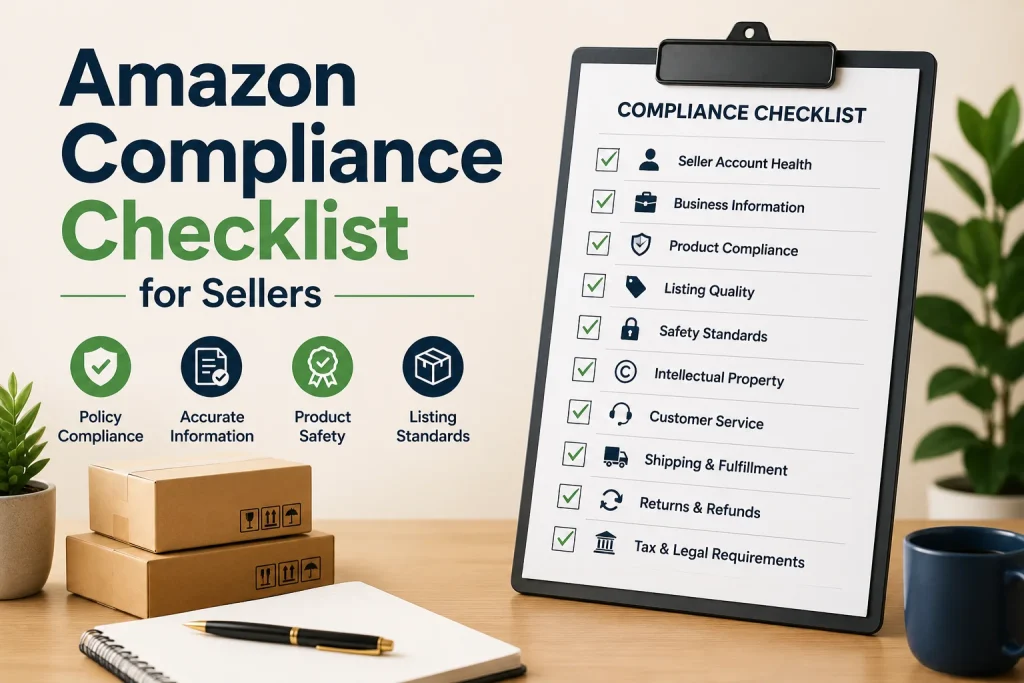
Amazon Compliance Checklist for Sellers

Selling successfully on Amazon requires more than creating listings and driving sales. Sellers must also follow marketplace policies maintain product information protect customers and respond quickly when compliance issues arise. A strong compliance process helps protect account health while creating a reliable shopping experience. Amazon regularly evaluates seller performance, policy compliance, product information and customer experience. Keeping these areas under control can reduce the risk of listing restrictions, policy violations or account problems. Amazon also provides account health and policy compliance tools that help sellers identify issues and take action. Understand Amazon Seller Policies The first step toward compliance is understanding the policies that apply to your business and products. Different categories can have requirements so sellers should review the rules relevant to their products before listing or launching them. Pay attention to product restrictions listing requirements, intellectual property rules, customer service expectations and seller performance standards. Amazon explains that account health reflects whether a seller is meeting the policies and performance expectations required to sell in its store. Verify Product Compliance Before selling a product confirm that it meets all safety and regulatory requirements. Certain products may require testing, certifications, warnings, labels or supporting documentation. Keep compliance documents organized and easy to access. Depending on the product and marketplace documentation may include invoices, certificates, test reports, safety information or other evidence requested during a compliance review. Amazon states that products without safety or regulatory documentation may face listing removal and can create account health concerns. Keep Product Listings Accurate Accurate product information is a part of seller compliance. Review product titles, descriptions, images, bullet points, specifications, variations and other listing information regularly. Avoid making claims that cannot be supported. Product information should accurately represent what customers will receive. Misleading descriptions incorrect specifications or unsupported claims can create customer complaints and policy concerns. A regular listing review can help sellers identify information before it becomes a larger problem. Monitor Account Health Regularly Account health should never be treated as something to check after receiving a warning. Make it part of your business routine. Review policy violations, performance notifications, customer experience indicators and other account health information. When an issue appears investigate its cause. Take corrective action promptly. Amazon describes its Account Health Rating as a way to assess the risk of account deactivation based on policy compliance and other factors. Maintain Authentic Product Documentation Product authenticity is another area of compliance. Sellers should maintain purchase records and supplier documentation that demonstrate where products came from. Work with suppliers and keep invoices organized. Documentation should be clear, accurate and connected to the products being sold. Strong record keeping can make it easier to respond if Amazon requests information about product authenticity. Review Intellectual Property Requirements Sellers should make sure their products and listings respect intellectual property rights. This includes trademarks, copyrights, patents, brand names, images and other protected materials. Do not use another brand name, image, logo or copyrighted content without authorization. Before adding branded products to your catalog verify that your sourcing and listing practices are legitimate. Keep Customer Experience Standards High Compliance is closely connected with customer experience. Product quality problems, inaccurate descriptions, late shipments, cancellations and unresolved customer issues can affect seller performance. Monitor customer. Return patterns to identify recurring problems. If several customers report the issue investigate the product or fulfillment process instead of treating each complaint as an isolated event. Manage Reports and Performance Data Seller reports can provide information for maintaining compliance and identifying operational weaknesses. Reviewing business, inventory, payment, advertising and performance information can help sellers make decisions. Amazon Reports Management can turn amounts of marketplace data into practical insights. Regular report analysis can help identify performance changes, inventory concerns, sales patterns and areas that require attention. For sellers managing products or marketplaces Amazon Reports Management can also support more structured performance monitoring and help teams focus on the most important business indicators. Keep Inventory and Fulfillment Under Control Inventory problems can affect both customer satisfaction and seller performance. Regularly review stock levels, fulfillment performance, shipment accuracy and product availability. Avoid allowing products to remain unavailable for periods when demand is strong. At the time excessive inventory can create unnecessary storage costs and operational challenges. A consistent inventory review process can help sellers maintain operations while reducing avoidable fulfillment issues. Respond Quickly to Compliance Notifications Ignoring a compliance notification can make a manageable problem more difficult. Sellers should review notifications carefully understand what caused the issue and determine what evidence or corrective action may be required. If an appeal or corrective action plan is necessary provide information and address the underlying problem. Simply submitting a response without fixing the root cause may lead to repeated issues. Create a Regular Compliance Routine A practical compliance routine can make marketplace management much easier. Sellers should regularly review account health, product documentation, listings, supplier records, customer complaints, inventory performance and policy notifications. Amazon Reports Management can support this process by helping sellers evaluate performance information and identify areas that deserve attention. Consistent monitoring allows sellers to make decisions instead of waiting until a serious issue develops. Final Thoughts Amazon compliance should be viewed as a business responsibility rather, than a one time task. Sellers who regularly review policies maintain accurate listings organize documentation monitor account health protect property and improve customer experience can build stronger marketplace operations.

Blog

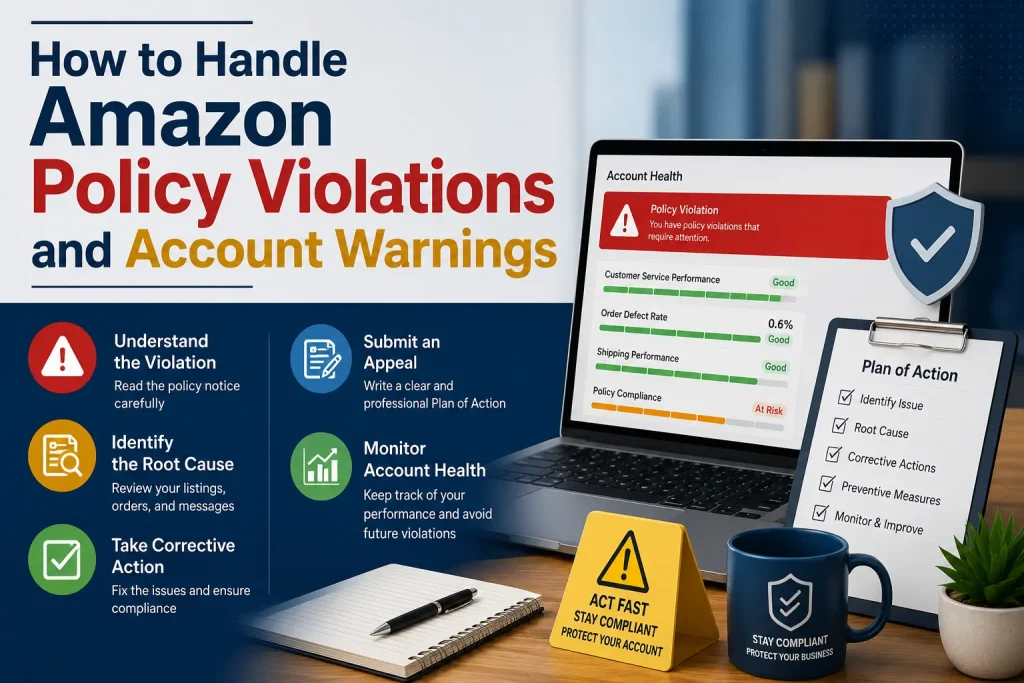
How to Handle Amazon Policy Violations and Account Warnings

Selling on Amazon is a way to grow your business but you need to keep your seller account healthy. To do this you must follow Amazons policies, performance standards and product guidelines. Even a small mistake can lead to account warnings listing removals or temporary suspensions. So it’s crucial to understand how to respond correctly to protect your business. At Bizistech we have experienced ecommerce professionals who help sellers understand Amazons requirements improve account health and prevent policy violations. Understanding Amazon Policy Violations Amazon creates policies to ensure customers have an reliable shopping experience. If you fail to follow these rules Amazon may issue a warning. Take action against your account. Here are some common policy violations: * Product detail page inaccuracies * Selling. Prohibited products * Late shipment rates * High order defect rates * Intellectual property complaints * customer service * Review manipulation Each violation affects your account health differently so its essential to monitor notifications regularly. Why You Should Never Ignore Account Warnings Many sellers think an account warning is minor but repeated warnings can lead to consequences. Ignoring notifications may result in listing suppression, reduced visibility or account suspension. Taking action shows Amazon that you’re committed to maintaining marketplace standards. Quick responses often reduce the risk of penalties. Review Every Notification Before making any changes read every notification from Amazon carefully. Determine exactly which policy was violated and identify the products or processes. Don’t make changes without understanding the actual issue. Instead collect information and review your account performance to identify the root cause. Identify the Root Cause The best solutions focus on preventing problems instead of only fixing current ones. Ask yourself: * Did incorrect product information cause customer complaints? * Was inventory management responsible for shipments? * Did supplier documentation fail to meet Amazon requirements? * Did customer service response times increase? Finding the reason behind the warning helps create a long-term solution. Correct the Problem Immediately Once you’ve identified the issue take action without delay. This may include: * Updating product information * Removing products * Improving shipping processes * Strengthening inventory management * Training customer support staff * Improving quality control Amazon values sellers who actively solve problems of repeating mistakes. Prepare a Strong Plan of Action If Amazon requests a Plan of Action your response should be clear, honest and professional. An effective Plan of Action normally explains: * The cause of the violation * The actions already taken * The long-term improvements that will prevent violations Avoid emotional language or blaming Amazon. Focus on facts and measurable improvements. Monitor Your Account Health Regularly The Account Health Dashboard provides information about seller performance. Regular monitoring allows you to identify problems before they become serious. Pay attention to: * Order Defect Rate * Late Shipment Rate * Valid Tracking Rate * Customer Feedback * Policy Compliance Checking these metrics every week helps maintain a seller account. Improve Business Operations Many account warnings happen because sellers manage tasks without proper systems. Organizing operations reduces mistakes. Increases efficiency. Working with an ecommerce team like a shopify store management agency can improve inventory planning, product organization, customer experience and operational workflows across multiple ecommerce platforms. Train Your Team Everyone involved in your Amazon business should understand marketplace policies. Provide training on: * Listing quality * Customer communication * Inventory updates * Order processing * Product compliance * Returns handling trained employees reduce costly mistakes and improve customer satisfaction. Keep Complete Business Records Maintain organized records for invoices, supplier information, product certifications and customer communications. If Amazon requests verification, accurate documentation helps resolve issues and demonstrates that your business follows marketplace requirements. Work With Experienced Ecommerce Professionals Managing Amazon successfully requires attention to policy updates and operational improvements. Partnering with a shopify store management agency ensures store optimization, inventory synchronization and smoother daily operations while reducing the chances of account-related issues. Whether you’re launching an online business or managing an established brand a professional shopify store management agency can help maintain operational efficiency that supports long-term marketplace success. Final Thoughts Amazon policy violations and account warnings should never be taken lightly. Responding quickly identifying the root cause improving business processes and maintaining account health are essential, for long-term success. Working with a trusted shopify store management agency can help you achieve this.

Scroll to Top