BizisTech | No.1 Ecommerce Marketing Agency USA

Author name: sharjeel ahmad

Blog

What Are the Biggest Amazon Selling Mistakes New Entrepreneurs Make?

Starting an Amazon business can be exciting. Turning that excitement into consistent sales requires careful planning. Many new entrepreneurs enter the marketplace expecting results and overlook important parts of product research, pricing, listings, advertising, inventory and customer experience. These mistakes can reduce profits. Make it harder for a promising business to grow. Understanding the common mistakes before launching can help new sellers make smarter decisions and build a stronger foundation for long term success. Choosing a Product Without Enough Research One of the mistakes new entrepreneurs make is choosing a product based on personal interest or assumptions instead of market data. A product may look profitable. Strong competition, low demand, expensive shipping or limited margins can quickly turn it into a poor investment. Thorough product research should consider customer demand, competitor strength, pricing trends, estimated sales, seasonality, sourcing costs and potential profit margins. Using an Amazon Product Hunting service can also help entrepreneurs evaluate opportunities carefully before investing significant money into inventory. Ignoring the Competition sellers sometimes see a product selling well and assume they can simply offer a similar version. However established competitors may already have reviews, better listings, loyal customers and greater advertising budgets. Of copying successful sellers entrepreneurs should identify gaps in the market. Better packaging, improved features, clearer product information, stronger images or an useful customer experience can provide meaningful advantages. Underestimating Product Listing Quality A product cannot perform well if customers do not understand its value. Weak titles, descriptions, poor images missing information and ineffective keywords can reduce visibility and conversions. A strong listing should communicate the product benefits clearly while addressing the questions customersre likely to have before purchasing. High quality images and persuasive content can also help turn visitors into buyers. Spending Much on Inventory Another common mistake is ordering large quantities before proving that a product can generate consistent demand. Excess inventory ties up cash. Can create storage costs while leaving entrepreneurs with fewer resources for marketing and future opportunities. New sellers should plan inventory carefully. Monitor sales patterns before placing increasingly large orders. Competing on Price Lowering the price may seem like an easy way to attract customers but constant price competition can destroy profit margins. Established sellers may also have costs making it difficult for a new entrepreneur to win a long term price war. A better strategy is to compete through value. Product quality, presentation, branding, customer service, useful features and a strong shopping experience can all support a price. Neglecting Advertising Strategy Some entrepreneurs expect organic sales to happen immediately after launching a product. In categories however gaining visibility often requires a thoughtful advertising strategy. Advertising should be monitored regularly than treated as a one time activity. Sellers need to understand which campaigns generate traffic, which keywords attract buyers and where advertising spending is producing profitable results. Failing to Monitor Business Performance Amazon sellers have access to business information but new entrepreneurs sometimes focus only on total sales. Revenue alone does not show whether a business is actually healthy. Sellers should regularly review advertising costs, product costs, fulfillment expenses, refunds, inventory levels, conversion performance and overall profit. These numbers can reveal problems before they become expensive. Ignoring Customer Reviews and Feedback Customer feedback provides information about product quality and the overall buying experience. Ignoring repeated complaints can lead to declining ratings and weaker customer confidence. New sellers should pay attention to customer feedback and use it to identify opportunities for product and listing improvements while following marketplace policies. Expanding Quickly Once a product starts generating sales entrepreneurs may become eager to launch several additional products. Rapid expansion without resources can create inventory problems, weak listings, inconsistent customer service and financial pressure. It is usually smarter to establish an operating system around the first successful products before expanding aggressively. Treating Amazon Selling as Passive Income An Amazon business requires attention. Market conditions change competitors introduce products customer preferences evolve and advertising performance can shift. Successful sellers continuously research opportunities improve listings monitor performance manage inventory and adjust their strategies. An Amazon Product Hunting service can support the research stage. Entrepreneurs still need a clear overall business strategy. How New Entrepreneurs Can Avoid These Mistakes The best approach is to treat Amazon selling as a business rather than a quick opportunity. Start with research calculate realistic costs understand the competition create a strong listing maintain healthy inventory levels and track profitability consistently. An Amazon Product Hunting service can help identify promising product opportunities. Reduce the risk of making decisions based only on assumptions. From there sellers can build their strategy, around product quality, customer needs, visibility and sustainable profitability. Final Thoughts The biggest Amazon selling mistakes are often caused by rushing into the marketplace without preparation. Choosing the product ignoring competition creating weak listings overspending on inventory competing only on price and failing to track profitability can all limit growth.


Blog

How Can Small Amazon Sellers Compete With Established Brands?

It can feel really hard for small sellers to go up against brands on Amazon. The big companies usually have way money for ads everyone knows their names they sell tons of different things and they have years of reviews.. I have learned that being big is not the only way to win. Small sellers can win by being more focused being able to change and really caring about the people who buy from them. Of trying to beat the big brands at everything small businesses should find small gaps where they can give customers a better experience and build a group of fans who keep coming back. Find a Specific Market Opportunity One of the ways for a small seller to win is to focus on one specific group of people. Big brands try to sell to everyone. A small seller can focus on one specific thing a customer needs. I suggest you look at what customers like what competitors are bad at and what people complain about in reviews. Look for problems that the big products are not fixing. If you make a product that solves a problem people will notice you even if you are not a famous brand. Build a Strong Product Listing Your product listing is how you get people to stop and look. You need titles, good descriptions and great photos. Do not just list the features of the product. Instead tell the customer how those features actually help them. Think about the questions shoppers are asking and make it very easy for them to buy. A good listing also helps you show up more in searches and makes your ads work better. Small sellers should check their listings all the time. Make them better based on what customers are actually doing. Use Advertising With a Clear Strategy sellers do not need to spend more money than the big brands to do well. You just need to spend your money wisely. Good amazon ppc management can help you find the words people search for keep your costs low and make sure you only spend money on products that actually sell. Do not try to advertise every product the same way. Put your money into the products that make you the most profit. Watch your ads all the time. If you see words that cost money but do not bring in sales stop spending money on them. Doing this helps a small seller stay visible without wasting money. Compete Through Customer Experience Big brands might be famous but small sellers can be much more personal. You should really listen to what customers say in reviews and messages. Use what you learn to make your products better. If people complain about the thing fix it. Maybe you need packaging, clearer instructions or better communication. When customers feel like you actually care about them they will trust you. Come back to buy again. Focus on Reviews and Brand Trust Good reviews matter a lot when people are choosing between two items. Small sellers should focus on making products instead of trying to fake reviews. Make sure your product looks like the pictures and that the packaging is strong. If you do a job happy customers will naturally leave good feedback. Trust takes time to build. Every single order you get right is a chance to make your reputation stronger. Study Established Competitors You should not just see brands as enemies. You can actually learn a lot from them. Look at their listings their prices, their photos and their reviews. Pay attention to the bad reviews. Those bad reviews show you where the big brands are failing. The goal is not to copy them. The goal is to use what you learn to make something that’s more useful or easier to use than what they offer. Manage Your Budget Carefully You have to be very careful with your money when you’re a small seller. Only spend money on things that you know will bring in sales. Using amazon ppc management lets you watch your spending check how your ads are doing and change your bids. When you look at your ad data and your sales together you will know where to put your money. Do not spend money just because you think the big brands are spending more. You want to grow in a way that actually makes you money. Create a Brand A small seller should try to be more than just someone selling random items. You want to build a brand. Use the style for your photos your packaging and how you talk to customers. Give people a reason to remember your name. Having a brand helps you stand out from all the cheap generic items, on Amazon and helps you keep customers for a long time. Keep Improving Your Strategy Amazon changes all the time so what works today might not work month. Small sellers should always be looking at their sales their ads and what their competitors are doing. You should treat amazon ppc management as something you do every day not something you set up once. You need to test ideas and change your budget as customers change their habits. The same goes for your products and listings. If you never stop trying to get better you will have a better chance of winning. Final Thoughts Small Amazon sellers do not need a budget or a million products to win. You just need to find your place make products have great listings manage your ads carefully and really take care of your customers.

Blog

What Should I Do First When Starting an Amazon Business?

Starting an Amazon business can feel very exciting. However the first steps you take can change how success you have later on. Many new sellers rush to pick a product and make a listing. They often do this without knowing the market the customers, the costs or the competition. I think it is much better to build a base before you spend a lot of money. Your goal should not just be to make one sale. You should try to build an Amazon business that can grow steadily and make money for a time. Start With Market Research The first step is to learn about the market you want to join. You should look at product demand what customers like, who your competitors are, prices, reviews and what is trending now. Try to find products that people want all year round of things that are only popular for a short time. Look closely at what other people’re selling and find ways your product can be better. I always suggest reading customer reviews. They show you problems that other products have not fixed yet. These small details can help you make a product and a better plan to sell it. Choose a Product With Business Potential Once you know the market find a product that can actually make you money. Before you decide think about the cost of the product, shipping, storage, fees from the marketplace, ads and the price you will sell it for. A product might sell a lot. You could still lose money if the costs are too high. You must calculate your profit margins before you buy an amount of stock. You should also think about how big or heavy the product’s if it breaks easily and if there is room to grow. Picking a product that lets you sell versions or similar items makes long term growth much easier. Understand Your Target Customer A good Amazon business starts by knowing the people who will buy your items. You need to know what they need what problems they. Why they pick one item over another. Think about what makes a person trust a seller. Good photos, info useful features, fair prices and great customer service all help people decide to buy. When you truly know your audience it is much easier to write messages that actually matter to them. Build Your Brand From the Beginning sellers should look past just selling one item. Having a brand helps people trust you and helps your business grow. This is why Amazon brand management is so important. It means creating a look that people recognize, protecting your name making your store look good and giving customers an experience. Your brand name, your photos, your packaging and how you talk to customers should all feel the same. When everything matches your business looks more professional. Create a Strong Product Listing Your product listing is one of the vital parts of your Amazon business. Before you go live make sure your title, description, features and photos clearly show why someone should buy from you. Use words that people search for. Keep the writing natural. Do not stuff your listing with many keywords or it will be hard to read. Good photos are a must. Since customers cannot touch your product your photos must show how it looks how big it is and how it works. Plan Your Inventory Carefully You should start planning your inventory before you even launch. If you buy much your money is stuck and storage costs go up. If you buy little you will run out of stock and lose sales. Try to guess how much you will sell based on your research and make a plan to restock. As you grow watch how fast you sell and change your orders based on what’s actually happening. Good planning helps you keep track of your cash and stops your sales from stopping Prepare a Launch Strategy Launching a product is more than turning a listing on. You need a plan to help people actually find your product. Ads can help show your product to the right shoppers. Good listing content will then help turn those shoppers into buyers. Watch how your ads do and change them if they are not working well. Think of your launch as a time to learn. Use your data to see what works and what needs to be fixed. Track Your Numbers From Day One Do not just look at how money you make in sales. You must track your costs, marketplace fees, ad spending, shipping costs and your actual profit. Checking your numbers often helps you catch problems before they cost you much money. It also shows you which products or ads are worth money. Let the data guide your choices of just guessing. Develop Your Brand Once your business is doing well you must protect your brand. Brand protection helps you avoid issues with products or sellers who are not allowed to sell your items. Good Amazon brand management also means watching how people see your brand and always finding ways to make the customer experience better. A strong brand should. Get better as you learn more about your customers. Keep Improving of Expecting Instant Success Success on Amazon rarely happens because of one lucky choice. It usually comes from research, testing and learning. Check your listings often read what customers say watch your ads and keep an eye on your competitors. Making changes all the time can lead to big results later. The best sellers treat their Amazon business like a ongoing job rather, than a quick project. Final Thoughts The first thing you should do when starting an Amazon business is not just to upload a product and wait. You should start by researching picking a product that makes money knowing your customers checking your costs and making a plan to launch.

Blog

What Should I Do First When Starting an Amazon Business?

Starting an Amazon business can be exciting. The first steps you take can have a major impact on your future success. Many new sellers rush to choose a product and create a listing without understanding the market, customers, costs and competition. A better approach is to build a foundation before investing heavily. The goal should not simply be to make your sale. It should be to create a business that can grow consistently and remain profitable over time. Start With Market Research The first step is to understand the market you want to enter. Research product demand, customer preferences, competitors, pricing, reviews and current trends. Look for products that have demand rather than products that are popular for only a short period. Study competing listings carefully. Identify weaknesses that your product could improve. Pay attention to customer reviews because they can reveal problems that existing products are not solving. These insights can help you develop a product and a more convincing selling strategy. Choose a Product With Business Potential Once you understand the market focus on selecting a product that offers profit potential. Consider product cost, shipping, storage, marketplace fees, advertising expenses and expected selling price before making a decision. A product may generate sales but still produce poor profits if the costs are too high. Therefore calculate your expected margins before placing an inventory order. You should also consider product size, weight, durability, competition and potential for expansion. Choosing a product that can support variations or related products can make long term growth easier. Understand Your Target Customer A successful Amazon business begins with understanding the people who will buy your product. Identify their needs, problems, preferences and reasons for choosing one product over another. Think about what makes your ideal customer trust a seller. High quality images, clear product information, useful features, competitive pricing and reliable customer service can all influence purchasing decisions. When you understand your audience it becomes easier to create product messaging that feels relevant of generic. Build Your Brand From the Beginning sellers should think beyond individual product sales. A recognizable brand can help create customer trust and provide opportunities for long term growth. This is where Amazon brand management becomes important. It involves creating an identity protecting your brand improving your storefront maintaining product presentation and building a strong customer experience. Your brand name, identity, product packaging listing content and customer communication should work together. A consistent approach can make your business appear professional and memorable. Create a Strong Product Listing Your product listing is one of the important parts of your Amazon business. Before launching make sure your title, product description, key features, images and other content clearly explain why customers should choose your product. Use search terms naturally while keeping the content easy to understand. Avoid filling your listing with keywords that make the copy difficult to read. High quality images are equally important. Customers cannot physically inspect your product so your images should clearly communicate its appearance, features, size, benefits and practical use. Plan Your Inventory Carefully Inventory planning should begin before your product launches. Ordering much inventory can tie up your money and increase storage costs while ordering too little can lead to stock shortages and lost sales. Estimate your expected sales based on market research. Create a plan for replenishment. As your business grows, monitor sales patterns. Adjust your inventory decisions according to actual performance. Good inventory planning gives you control over cash flow and helps prevent avoidable interruptions in sales. Prepare a Launch Strategy Launching a product requires more than making a listing live. Consider how you will generate visibility and encourage customers to discover your product. Advertising can help introduce a product to relevant shoppers while strong listing content can improve the chances of converting that traffic into sales. Monitor your campaign performance. Make adjustments based on actual results. Your launch should be treated as a learning period. Use performance data to understand what is working and where improvements are needed. Track Your Numbers From Day One Do not judge your business by sales revenue. Track numbers such as product costs, marketplace fees, advertising expenses, fulfillment costs, inventory investment, conversion rates and profit margins. Regular performance analysis can help you identify problems before they become expensive. It can also reveal which products, campaigns and strategies deserve investment. Data should guide your decisions than assumptions. Starting an Amazon business can be exciting. The first steps you take can have a major impact on your future success. Many new sellers rush to choose a product and create a listing without understanding the market, customers, costs and competition. A better approach is to build a foundation before investing heavily. The goal should not simply be to make your sale. It should be to create a business that can grow consistently and remain profitable over time. Start With Market Research The first step is to understand the market you want to enter. Research product demand, customer preferences, competitors, pricing, reviews and current trends. Look for products that have demand rather than products that are popular for only a short period. Study competing listings carefully. Identify weaknesses that your product could improve. Pay attention to customer reviews because they can reveal problems that existing products are not solving. These insights can help you develop a product and a more convincing selling strategy. Choose a Product With Business Potential Once you understand the market focus on selecting a product that offers profit potential. Consider product cost, shipping, storage, marketplace fees, advertising expenses and expected selling price before making a decision. A product may generate sales but still produce poor profits if the costs are too high. Therefore calculate your expected margins before placing an inventory order. You should also consider product size, weight, durability, competition and potential for expansion. Choosing a product that can support variations or related products can make long term growth easier. Understand Your Target Customer A successful Amazon business begins with understanding the people who will buy

Blog

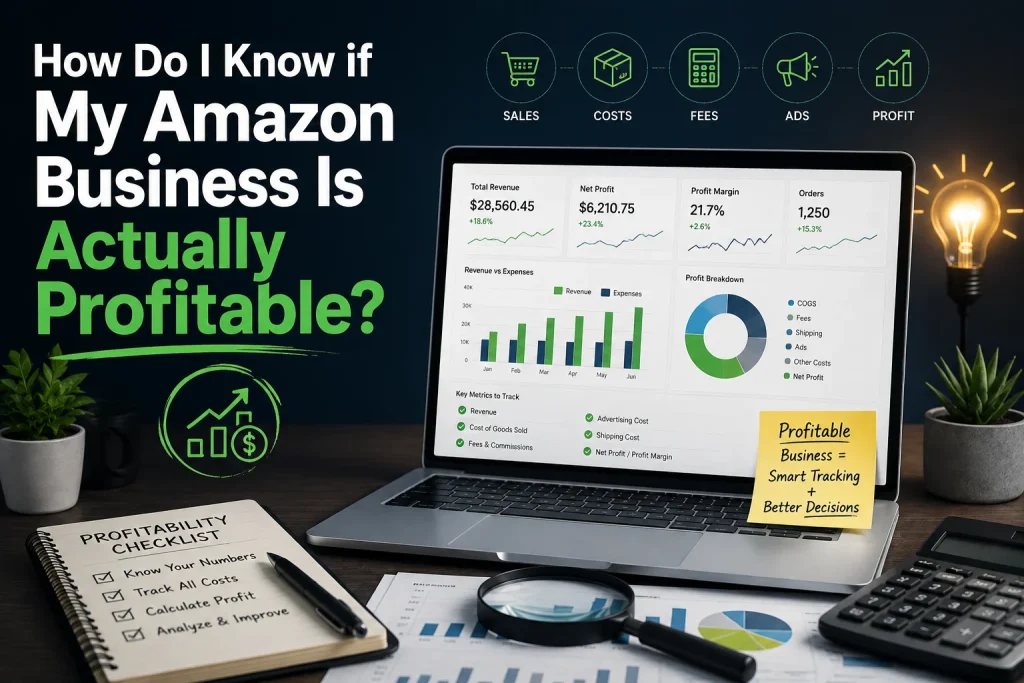
How Do I Know if My Amazon Business Is Actually Profitable?

Running an Amazon business can look good when sales are going up orders are coming in and the money seems to be flowing in.. High sales do not always mean high profits. Many sellers find out that advertising costs, Amazon fees, product costs, shipping, storage, returns and other daily expenses can take a chunk out of their real earnings. Knowing how much money your business is actually making is important if you want to make choices and build a business that lasts. Start With Your Money The first thing to do is figure out how much money your business is really making. Don’t just look at sales. Check your revenue after refunds, returns, discounts and other things that take away from your sales. For example if your store has a lot of sales but has a lot of returns or discounts your real money might be much less than the number on your sales report. Tracking your money gives you a clear starting point to see if your business is making a profit. Calculate All the Costs for Each Product Just knowing the cost of your product isn’t enough. You need to add up all the costs involved in getting that product ready to sell and sending it to the customer. Think about costs like making the product, packaging, shipping, customs, storing and preparing the product. Try to link these costs to each product as much as possible. Once you know the cost of each item you can see if your selling price gives you enough space for a good profit. Include Amazon Fees and Shipping Costs Amazon fees and shipping costs can really affect how money you make. Depending on how you run your business you might have selling fees, shipping charges, storage costs, referral fees and other charges from the platform. If you ignore these costs a product that isn’t profitable might look like its doing well. Check your fees often. Calculate how much profit is left after all the costs are taken out. Check How Your Ads Are Performing Ads can bring in sales. They can also take away from your profit. That’s why sellers should not just look at how much money ads bring in. Check how much you are spending on ads and how money those ads are making. Also look at how much profit’s left after those costs. A good ad plan should help bring in sales that actually make money, not more orders. Regular checks on your ads can help find where money is being wasted and make your ads better. Understand How Much You Really Make Your profit margin shows how money you have left after you pay all your bills. You can think of it as taking all your business costs from your net sales. The amount left is your profit. For instance if your net sales are 10,000 dollars and your total costs are 7,500 dollars your profit is 2,500 dollars. That means your profit margin is 25 percent. Keeping track of this number every month makes it easier to see if your business is actually doing better. Look at Each Product Individually Looking at your whole business can hide problems. One product might be making a lot of money while another is losing money even though its selling. Check each product on its own. Look at its selling price, product cost, shipping costs, ad costs, returns and other costs. This check helps you find your products and decide what to do with the ones that are not doing well. Watch Your Inventory Costs Inventory can quietly hurt your profits. Having much inventory increases storage costs and uses up money that could be used elsewhere. Having little can mean missing out on sales. Managing inventory is about balancing what customers want with what you have in stock. Predicting what customers will want and checking how your inventory is doing can help cut down on storage costs while making sure the products you want to sell are available. Track Your Cash Flow Separately From Profit Profit and cash flow are not the thing. Your business might look like its making money on paper. If the money is tied up in items you haven’t sold or in payments you have to make you might not have much cash to use. Keep track of when money comes in and when it goes out. Having cash flow gives you more control over buying more products running ads and taking advantage of new chances to grow. Know When You Need Help As your Amazon business gets bigger it can get harder to keep track of everything. Sellers need to watch listings, ads, inventory, customer service, reports and how their account is doing all at the time. Working with an Amazon account management agency can help you keep track of all these areas and make choices based on data. A good team can also help find where you are spending much where you can improve your listings and where your business can get better. An Amazon account management agency should focus on results, not just more sales. Profit how well your ads work, how your business runs and long term growth all matter. Make a Profit Review Every Month Make it a habit to check your profits every month. At once a month look at your sales, product costs, Amazon fees, ad costs, shipping expenses, returns, storage costs and other things you pay for. Compare what you see each month to see what is changing. If sales are going up but your profits are not find out why before spending on ads or buying more inventory. If both sales and profits are going up that’s a sign your business is moving in the direction. Focus on Growing the Right Way A successful Amazon business isn’t the one with the sales. It’s the one that keeps making money after all the costs are taken into account. An Amazon account management agency can help you set up

Blog

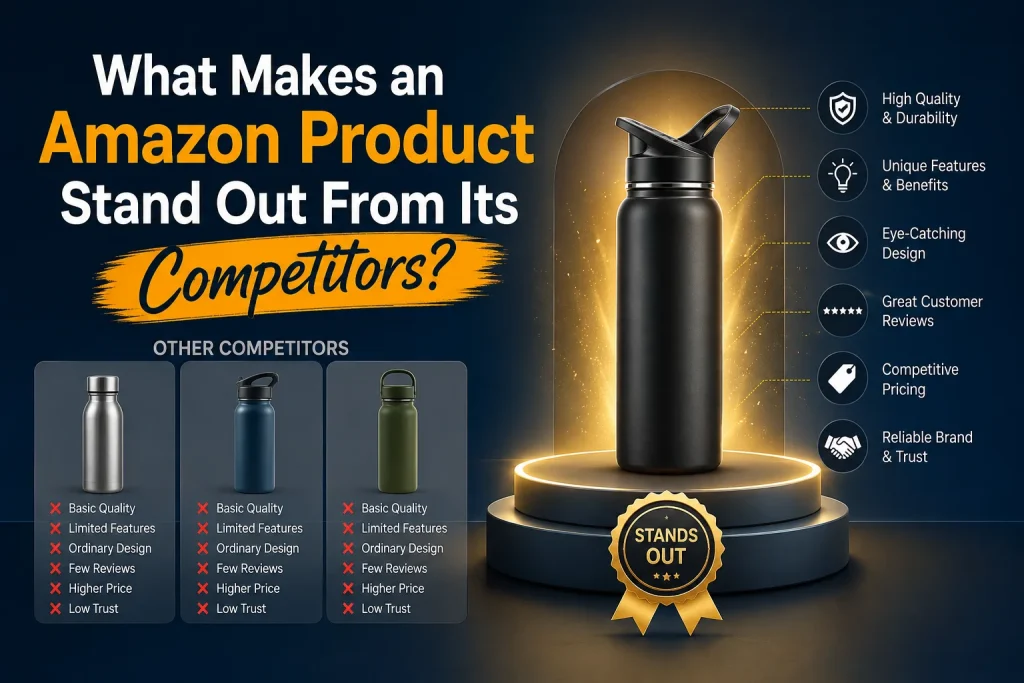
What Makes an Amazon Product Stand Out From Its Competitors?

Selling on Amazon is more competitive than ever. Customers can find dozens or even hundreds of products within seconds so simply having a good product is not enough. A successful product needs to capture attention communicate value clearly and give shoppers a reason to choose it over competing options. Standing out requires a combination of product quality, positioning, attractive presentation, customer focused content, competitive pricing and consistent performance. A strong product strategy should also consider market trends, customer expectations, competitor behavior and advertising performance. A Clear and Valuable Product Difference One of the ways to stand out is by offering something meaningful that competitors do not provide. This could be materials, improved functionality, a more convenient design, additional accessories, stronger durability or a solution to a common customer problem. The difference should be easy for shoppers to understand. If customers cannot quickly see why the product is better or more useful they may simply choose the cheaper option. Before launching or improving a product sellers should study competing products carefully. Look at their features, pricing, customer feedback, images, descriptions and common complaints. This research can reveal opportunities to create a product that addresses weaknesses in the existing market. High Quality Product Images Images often create the impression of a product. Clear and professional visuals can immediately make a listing appear trustworthy and appealing. A strong image strategy should show the product from angles and explain important features visually. Lifestyle images can demonstrate how the product is used while informational images can highlight benefits, dimensions, materials or unique features. The goal is not simply to make the product look attractive. Images should help customers understand what they are buying and reduce uncertainty before they make a purchase. A Listing That Speaks to Customers A product listing should be written for people first. Clear titles, bullet points, informative descriptions and relevant search terms can make the product easier to discover and understand. Of focusing only on technical specifications sellers should explain how the product benefits the customer. A strong listing answers questions such as what the product does who it is designed for how it solves a problem and why it is different from alternatives. Relevant keywords should be included naturally so the listing remains easy to read while supporting search visibility. Competitive Pricing With Strong Value Price can strongly influence buying decisions. Being the cheapest product is not always the best strategy. A product can compete successfully by offering overall value. Customers may be willing to pay more when they believe the product offers quality, better features, stronger durability, useful extras or a more reliable experience. Sellers should regularly monitor competitor pricing. Consider the complete value of their offer. Competitive pricing combined with a product proposition can create a stronger position than simply lowering the price. Positive Customer Reviews Customer feedback plays a role in building confidence. Shoppers often examine reviews before deciding whether a product deserves their money. A product that consistently receives feedback can develop stronger credibility. Sellers should therefore focus on delivering the quality promised in the listing and creating a customer experience. Negative reviews should also be treated as feedback. Recurring complaints can reveal problems with the product, packaging, instructions or expectations created by the listing. Addressing these issues can improve both customer satisfaction and long term performance. Strong Advertising and Product Visibility Even an excellent product can struggle if potential customers cannot find it. Strategic advertising can help introduce a product to shoppers and generate additional visibility. An amazon ppc management service can support this process through keyword research, campaign optimization, competitor analysis, budget control and performance monitoring. The purpose is not simply to increase advertising spend but to attract traffic that has a realistic chance of converting. When advertising data is combined with listing performance sellers can identify which search terms and customer segments are producing the strongest opportunities. Continuous Testing and Improvement Successful Amazon products are rarely built once. Left unchanged. Customer preferences, competitors, search behavior and market conditions can change over time. Sellers should regularly review performance indicators and test improvements to their titles, images, descriptions, pricing and advertising strategies. An amazon ppc management service can also help identify campaigns wasted advertising spend, promising keywords and opportunities for better targeting. These insights can then support improvements to the product strategy. Build a Recognizable Brand Experience A product becomes more memorable when it is connected to a brand identity. Professional visuals, messaging, reliable quality and consistent customer communication can help create familiarity and trust. Customers who have an experience with one product may be more likely to explore other products from the same brand. This makes differentiation about than one listing. It becomes part of the customer experience. Focus on Customer Problems The competitive products often succeed because they understand what customers actually need. Of asking only what features can be added sellers should ask what frustrations customers are experiencing. Customer reviews, questions, competitor feedback and market research can reveal these problems. A product designed around solving those problems has an opportunity to stand apart. Make Every Part of the Offer Work Together Product differentiation works best when every element supports the value proposition. The product itself should deliver quality the images should communicate its benefits the listing should explain its advantages the pricing should support its value and advertising should bring the shoppers to the product. An amazon ppc management service can strengthen the visibility side of this strategy while ongoing listing optimization and customer focused improvements can strengthen conversion. Final Thoughts Making an Amazon product stand out requires more, than packaging or a low price. The strongest products combine value with clear positioning, professional presentation, customer trust, competitive pricing and consistent optimization. Sellers who understand their customers study their competitors improve their listings and use advertising can create products that are easier to discover and more convincing to purchase.

Blog

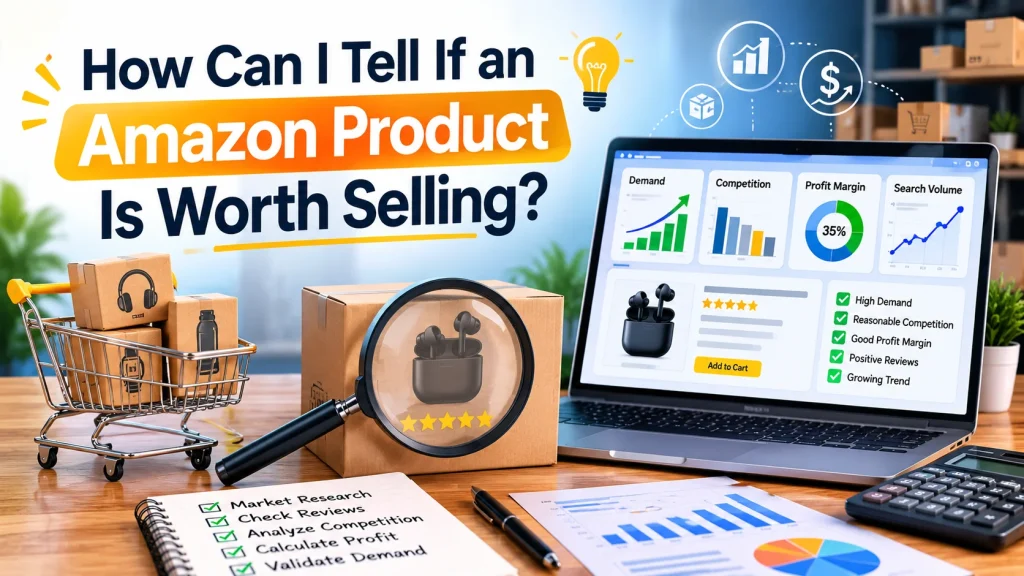
How Can I Tell If an Amazon Product Is Worth Selling?

Finding a product that really looks good is not that hard.. Finding one that can actually make you money consistently is a lot tougher. A product might be really popular. There are just too many people selling it.. It might sell well but it costs a lot to ship.. People might really want it but you do not make much money from it. That is why people who sell things on Amazon really look at a product from all sides before they spend any money. A good product should be something that people want to buy and not many other people are selling it. It should also not cost much to make or ship and you should be able to sell it for a long time. If you do your research you can avoid making mistakes that cost you money and build an Amazon business. Start With How Much People Want the Product The first thing you need to ask is if people are really looking for this product. If a product is something that people want to buy all the time you are more likely to sell it Look at how many people’re searching for it how well it sells, what customers say about it and if people want it all year round. Do not just look at things that’re popular for a short time because people might stop wanting them quickly. Some products are only popular at times of the year but they can still make you money. You just need to know when people want them so you can buy enough to sell. Study Your Competition How many other people are selling this product is a big deal. If a lot of sellers are already selling it it might be hard to compete with them. Look really closely at what they’re doing. Check their prices the quality of their products their reviews, pictures, descriptions and how they present their products. If most of them have a lot of reviews and are well known it might be hard to compete with them On the hand if there are not too many other sellers and they are not doing a great job you might have a good chance to sell this product. Calculate How Money You Will Really Make Just because you sell a lot of something does not mean you will make a lot of money. Before you start selling a product you need to think about all the costs. Consider how much it costs to make the product ship it and sell it on Amazon. You also need to think about storage, advertising, packaging, returns, taxes and other costs. If you subtract all these costs from what you hope to sell it for you will know if you can really make money from it. A product might seem cheap to make. Once you add up all the costs it might not be worth it. Always do the math before you buy a lot of inventory. Look for Ways to Make the Product Better A product is more attractive if you can make it better than what’s already out there. Think about what people do not like about products. Read reviews to see what people complain about. They might say the materials are bad the instructions are confusing the packaging is weak the design is not good or it is missing features. These complaints can help you make a product. You should not just try to copy what is already there. Instead try to make the product better for the customer. Consider How Big and Heavy the Product Is How big and heavy a product is can really affect how money you make. Big or heavy products cost more to ship and store. Smaller and lighter products are usually easier to deal with. That does not mean they are always a good choice. You still need to think about if people want it if there is much competition and if you can make money from it. If you know how much it will cost to ship and store a product before you start selling it you will not be surprised later. Check If You Can Sell the Product for a Good Price A product needs to be something that you can sell for a price that makes you money. If other people are selling the product really cheap it might be hard to make a profit. Look at how much people’re willing to pay for a product and if they would pay more for a better one. Try not to sell something that you have to keep making cheaper to compete. Look at What Customers Say What customers say about a product can tell you a lot about what’s really going on. It shows what people like and what they do not like about a product. Pay attention to what people complain about over and over. If people keep saying the same thing is wrong with a product you might be able to make it better and sell it to them. Reviews can also help you understand what people really want and make a product that meets their needs. Think About If You Can Sell This Product for a Long Time A product that can make you money should be something that you can sell for a time. Think about if you could sell related products or different versions of the same product. A product that you can sell for a time can help you build a brand rather than just selling one thing. This way you can also make a plan for your business that will work for a time and keep your customers happy. Consider What You Are Good At and What You Have The best product for one person to sell might not be the best for another. Your budget, experience and skills all matter. If you are new to selling things you might want to start with something that’s easier to understand and

Blog

What Is the Best Way to Grow an Amazon Business in 2026?

Growing an Amazon business in 2026 is not easy. You need to do more than just add products and spend more money on advertising. The competition is tough. Customers expect a lot. You need a plan that connects the quality of your products how well your listings perform, advertising, inventory, customer experience and building your brand over time. A successful Amazon business should be run like an ecommerce operation, not just a bunch of separate tasks. Looking at data can help you find opportunities understand what customers want keep an eye on your competitors and make better decisions to grow your business in a way. Start With Good Market and Product Research The key to growing on Amazon is choosing the products. Before you spend a lot of money on inventory or advertising you should study what customers want how competition there is, prices, reviews, seasonal trends and how much money you can make. You should not stop researching products after you launch one. Markets are always changing successful sellers regularly check how their products are doing and look for new opportunities. Understanding what customers want can also help you improve your products and make versions. Make Listings That Turn Visitors Into Buyers A good product listing can make a difference in sales. Your product title, description, images, key features and other content should clearly show the value of your product. Of just focusing on keywords you should create content that answers customers questions and removes their doubts. Your product images should be quality and show the product from different angles as well as how it can be used. Regularly improving your listings can also help you respond to changes in what customers want and the competition on the marketplace. Use Advertising With a Clear Plan to Make Money Advertising can help you get seen but spending more on ads without checking if you are making money can quickly reduce your profits. In 2026 you should focus on how your ad campaignsre structured the right search terms, how well your ads convert, the cost of advertising and the return on your investment. Start by finding the products that already sell well. Then use advertising to get visibility while your organic sales grow alongside your paid traffic. Your goal should not be just to get clicks. Your goal is to make sales and get your products seen over time. Keep Your Inventory at Healthy Levels Managing your inventory is another part of growing on Amazon. Running out of stock can stop your sales while having much inventory can tie up your money and increase your storage costs. You should use your sales, seasonal demand, advertising plans how long it takes your suppliers to deliver and your current inventory levels to make better forecasts. A good inventory process lets you keep your products available without overstocking. Strengthen Your Brand Growing on Amazon over time gets easier when customers know and trust your brand. You should create a brand experience across your listings and customer interactions. Content that focuses on your brand can show the quality of your products your company values, the benefits of your products and why customers should choose your brand over others. A strong brand can also help you compete less on price and encourage customers to buy from you Monitor Customer Feedback and Reviews Customer feedback gives you information about what is working and what is not. You should look at your reviews. Find common complaints concerns about product quality, delivery problems and customer questions. Of just seeing negative feedback as a problem you can use it to improve. Common complaints might show you ways to improve your packaging, product design, instructions or customer communication. Making products and giving customers a better experience can help you do better over time. Use Data to Make Better Decisions Successful Amazon businesses are increasingly driven by data. You should regularly look at your sales, conversion rates, traffic, advertising results, inventory levels, customer feedback and profits. The point of looking at numbers is not just to collect them. It is to understand what they mean and use them to make decisions. For example if you have a lot of traffic but not many sales it might mean your listing needs improvement. If you have a lot of sales but not much traffic it might mean you need to improve your visibility. Consider Getting Professional Ecommerce Help Managing every part of your Amazon business can get hard as your catalog grows. If you sell on ecommerce channels you might also need help with running your stores, managing products, marketing and monitoring performance. A professional Shopify store management agency can give you ecommerce expertise if you sell on both Amazon and your own online store. Having a presence outside Amazon can give you another way to engage with customers and grow your sales. A Shopify store management agency can also help you organize your ecommerce operations while you continue to grow your Amazon business. Focus on Growing Sustainably Rather Than Looking for Quick Wins The best way to grow on Amazon in 2026 is to focus on sustainable progress. You should avoid relying on temporary discounts, aggressive advertising or short-term sales tactics. Instead focus on improving your products making your listings better building customer trust keeping your inventory healthy controlling your advertising costs and developing a brand. If you sell on Amazon and your own ecommerce channels you can also benefit from managing them. A Shopify store management agency can help you keep your ecommerce presence strong while Amazon remains an important marketplace for reaching new customers. Keep Improving Your Strategy Amazon is always changing, which means a strategy that works today might need to be adjusted tomorrow. You should regularly look at marketplace trends what your competitors are doing, customer behavior, product performance and profits. The strongest businesses are willing to try approaches measure the results and improve their processes. A Shopify store management agency can also be helpful for brands that

Blog

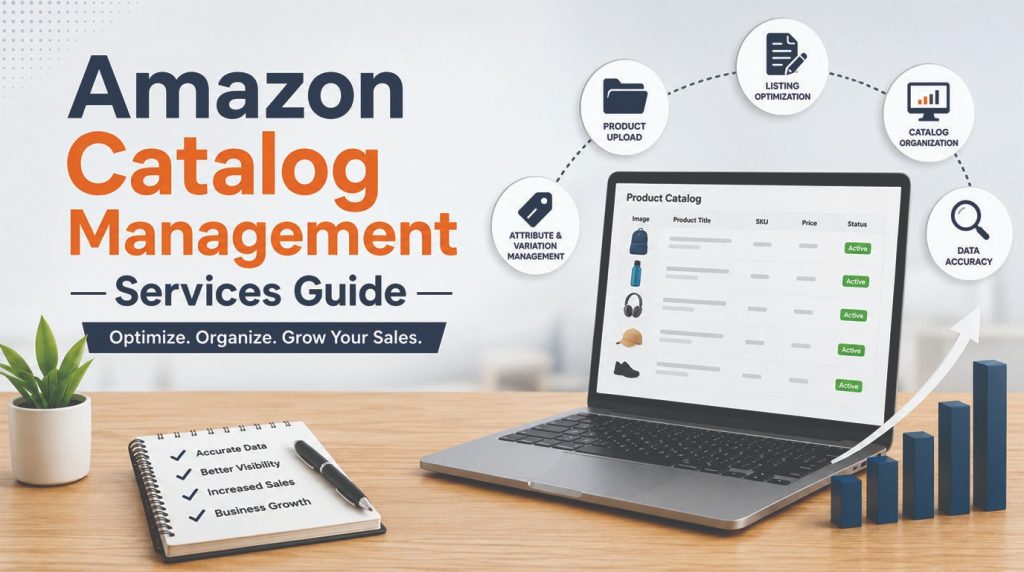
Amazon Catalog Management Services Guide

Managing your Amazon catalog is really important if you want to keep your products visible and competitive. When your catalog is well organized it helps customers find what they are looking for and gives you control over your listings and inventory. As Amazon gets more competitive you need to keep an eye on your catalog all the time not set it up once. You have to make sure your product information is accurate improve your listings and respond quickly when problems come up. Getting help with catalog management can make this process a lot easier. What Is Amazon Catalog Management Amazon catalog management is about keeping the information about your products up to date and making it better. This includes things like product titles, descriptions, bullet points, images and other important details. The goal is to create a catalog that’s consistent and helpful to customers, which will also help your business grow. A strong catalog reduces confusion. Helps your products show up properly on the marketplace. Why Amazon Catalog Management Matters If your catalog is incomplete or inaccurate it can cause a lot of problems. Customers might get confused. You might lose sales. If you manage your catalog well you can keep your information accurate and improve your listings. You can also see whats not working and make changes based on what customersre doing and whats trending on the marketplace. When your catalog is well managed it can help you get visibility build trust with customers and sell more. Key Elements of Amazon Catalog Management Product Information Accuracy Every product should have accurate information. This includes things like titles, descriptions and specifications. Keeping this information up to date can reduce confusion. Make shopping easier for customers. Listing Content Optimization You should review your product content to make sure it’s good. Titles should tell customers what the product is and descriptions and bullet points should explain the benefits and features. High quality images are also important because customers often look at pictures before deciding to buy. Keyword Management You should use keywords in your product content so customers can find what they’re looking for. But don’t overdo it. Make sure your keywords are natural and relevant. Managing Product Variations If you have products that come in sizes, colors or styles you need to manage them carefully. If you don’t it can be confusing for customers. Hurt your sales. Professional catalog management can help you organize your products correctly so customers can easily find what they want. Handling Catalog Issues Sometimes you might run into problems like product information or missing details. You need to fix these problems so they don’t hurt your visibility or sales. The Role of Advertising in Catalog Performance Your catalog and advertising are connected. If your product pages are good your ads will work better because customers will be more likely to engage with them. If you use Amazon ads management services you can align your advertising with your catalog improvements. This can help you get conversions. For growing brands combining catalog optimization with Amazon ads management services can help you get visibility and sales. How Professional Catalog Management Supports Growth Professional catalog management is not about fixing product information. It’s about analyzing, optimizing and maintaining your catalog. A good approach includes reviewing your listings checking product attributes, monitoring changes improving content and analyzing competitors. This approach works with a broader ecommerce strategy that focuses on business analysis, implementation, monitoring and support. Benefits of Outsourcing Catalog Management Managing a catalog can take a lot of time and attention. If you outsource it you can get help from specialists who know what they’re doing. This can help you keep your catalog consistent and let your team focus on things like product development and customer relationships. It can also make it easier to combine catalog management with activities like inventory management and advertising. Best Practices for Amazon Catalog Management You should treat catalog management as a process. Regularly review your product information, update content and monitor your listings. Use data to make decisions and don’t just change things without a reason. Identify whats not working and make improvements based on your business goals. If you use Amazon ads management services you should also see how catalog changes affect your advertising and customer engagement. Choosing the Right Catalog Management Partner When you’re looking for a catalog management partner you should look for experience, transparency and a clear understanding of ecommerce. A good partner should be able to analyze your catalog identify weaknesses make improvements and provide support. Final Thoughts Amazon catalog management is important for building an competitive ecommerce business. You need information, optimized content organized variations, strong images and regular monitoring to create a better experience, for customers and support stronger marketplace performance. Using Amazon ads management services can help you get visibility and sales and it is a great way to improve your ecommerce business.

Blog

Amazon Buy Box Optimization Services

Winning the Buy Box is a big deal for sellers who want to get their products seen make more sales and get more customers. When lots of sellers are offering the product the Buy Box decides which seller gets to be the main one that customers see. Having a presence in the Buy Box can make a huge difference in how customers find and buy your products. To stay eligible for the Buy Box you need to do more than just lower your prices. Things like pricing having products in stock how well you ship products how well you do as a seller how happy your customers are and how healthy your account is can all affect how well you can compete. What Are Amazon Buy Box Optimization Services Amazon Buy Box Optimization Services are designed to help sellers improve the things that affect how well they do in the Buy Box. Of just focusing on one thing these services look at pricing, inventory, shipping, account performance listing quality and customer experience all together. To make this work you need to understand how your account is doing now and find areas where you can improve. Then you need to keep an eye on things and make changes as the competition and market change. Why the Buy Box Matters for Sellers The Buy Box makes it easy for customers to buy products. Can really influence what they decide to buy. Sellers who can keep their products competitive have a chance of getting customers to notice them and make a sale. Having a Buy Box strategy can help you sell more products consistently make your products more competitive and make better use of the customers who are already looking at your products. It can also help you find weaknesses in your pricing, inventory and shipping before they hurt your growth. Key Factors That Influence Buy Box Performance When you’re trying to optimize your Buy Box performance there are things you should look at. Competitive Pricing: Price is important. Its not the only thing that matters. You need to find a price thats competitive but still makes you a profit. Looking at what your competitorsre charging can help you make smarter pricing decisions. Inventory Availability: If you’re always running out of products you’re going to lose sales. Keeping products in stock helps you stay competitive and serve your customers. Fulfillment Performance: Shipping products quickly and reliably is important for making customers happy. You should keep an eye on how you’re shipping products and make changes if you need to. Seller Performance: Making customers happy and keeping your account healthy is crucial for growing your business. You should keep an eye on things like cancellations, returns and customer complaints to find problems Product Listing Quality: Having a product listing can help you sell more products. You should make sure your listings have information relevant search terms, good images and descriptions that persuade customers to buy. How Professional Buy Box Optimization Works When you work with a professional to optimize your Buy Box performance they’ll usually start by looking at your account and products. They’ll find areas where you can improve and then analyze your competitors to see how you can do better. Then they’ll help you implement strategies to improve your pricing, inventory, listings and performance. They’ll also keep an eye on things. Make changes as the market and competition change. The Role of Amazon Brand Management Doing well in the Buy Box should be part of a business strategy. Amazon Brand Management can help you make your products more visible improve your listings build customer trust protect your brand and grow your business in the term. When you combine Amazon Brand Management with pricing analysis, inventory planning listing optimization and performance monitoring you can create an approach to succeeding on Amazon. Professional Amazon Brand Management also helps you keep your branding consistent across all your products and makes sure customers have an experience with your brand. This can make optimizing your Buy Box performance more sustainable. Benefits of Working With Experienced Professionals As your business grows and the competition gets tougher managing your Buy Box performance can get harder. Working with professionals can give you structured monitoring and strategic guidance without having to do everything yourself. A good team can analyze the market look at your competitors monitor your account performance improve your listings and find ways to make your operations better. This lets you focus on developing your products and growing your business. A data-driven Amazon Brand Management strategy can also help you connect your decisions on Amazon with your bigger business goals. Of just focusing on short-term sales you can work towards building a stronger brand making customers happier and growing your business sustainably. Common Buy Box Optimization Mistakes to Avoid One mistake is just focusing on price. Cutting your prices much can attract customers but it can also hurt your profits and make your pricing strategy unhealthy. Another mistake is ignoring your inventory. Even if you have a price you can still struggle if you’re always running out of products. You should also avoid neglecting your customer experience. If you’re not shipping products quickly cancelling orders or getting feedback you can create performance problems. Finally optimizing your Buy Box performance shouldn’t be a one-time thing. You need to keep monitoring and making changes as the market and competition change. Building a Long Term Buy Box Strategy The best strategy combines pricing with reliable inventory, dependable shipping, strong seller performance, optimized listings and consistent monitoring. You should regularly look at your performance data. Compare your products to your competitors. Trying approaches can help you find what works best for your sales and profits. A comprehensive Amazon Brand Management approach can bring all these activities together into one strategy. By keeping your branding, product performance, customer experience and operations aligned you can create a foundation for growing your business. Final Thoughts Amazon Buy Box Optimization Services can help sellers take a

Scroll to Top